Misool Eco Resort

Welcome to

Misool Eco Resort

Misool Eco Resort, Batbitim Private Island, Misool, Raja Ampat, West Papua, Indonesia

Coordinates in degrees decimal:  2.244444S,  130.556944 E.

Visited in October 2025.  Photographers: Nigel Thomas and Snorkelling Report team.   Cameras: Olympus Tough T6 and T7.

Website: https://www.misool.info/

Introduction

Visited as part of a Planet Snorkelling Expedition (https://planet-snorkeling.com/).  Misool resort is on a private Island in the heart of Raja Ampat in Indonesia.  It is surrounded by numerous smaller islands which offer a range of outstanding snorkeling sites.  The current information relates to the house reef at the resort.

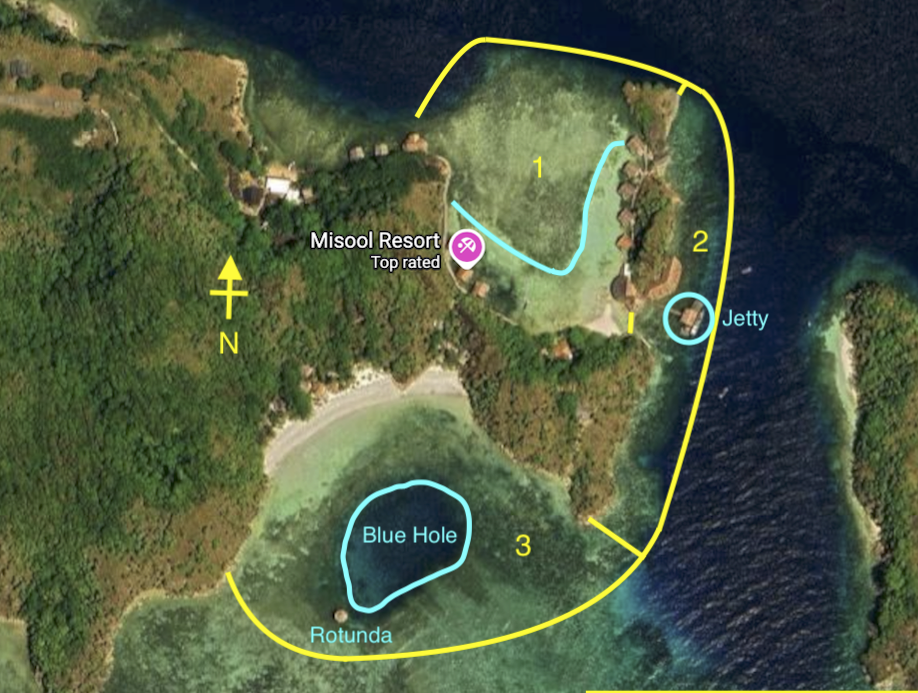
The resort comprises of two halves, with a North Lagoon area and a South Beach area.  The two areas are linked by a channel to the east.  Snorkelling can be undertaken off the shore or from a landing jetty.  See map below.  Coral reef is extensive in all areas.

Misool is in a remote location but can be accessed using the resort’s private speedboat, which runs from Sorong every 7, 9 or 12 days.  Sorong can be reached by air from Jakarta or Bali.  The resort provides a reception service at the airport.  Visit their website for a full description.  Jakarta is a major international airport with links to numerous other international airports.

Factors affecting snorkelling

The climate in Misool is humid tropical.  Atmospheric temperatures are between 28-33C, while the seawater is 26-30C.  Humidity is high all year round with no distinct wet then dry season.  The resort shuts down during the South West Monsoon season, from mid-June to mid-September. During this period the winds often exceed 30-40 knots with a correspondingly large wave climate.

During the period Misool is open it is worth noting that stinging planktonic species are most common in the period leading up to Decemer.  However it is wise to wear a stinger suit at all times. 

The tidal range can exceed 2m during spring tides and 1m during neaps.  The former can create significant tidal streams in the channel to the east of the resort, so be aware of direction of flow before entering the water.  The large spring tidal range also creates very low waters over some of the coral reef areas, making exit from these areas both dangerous and damaging to the coral.

Ecology

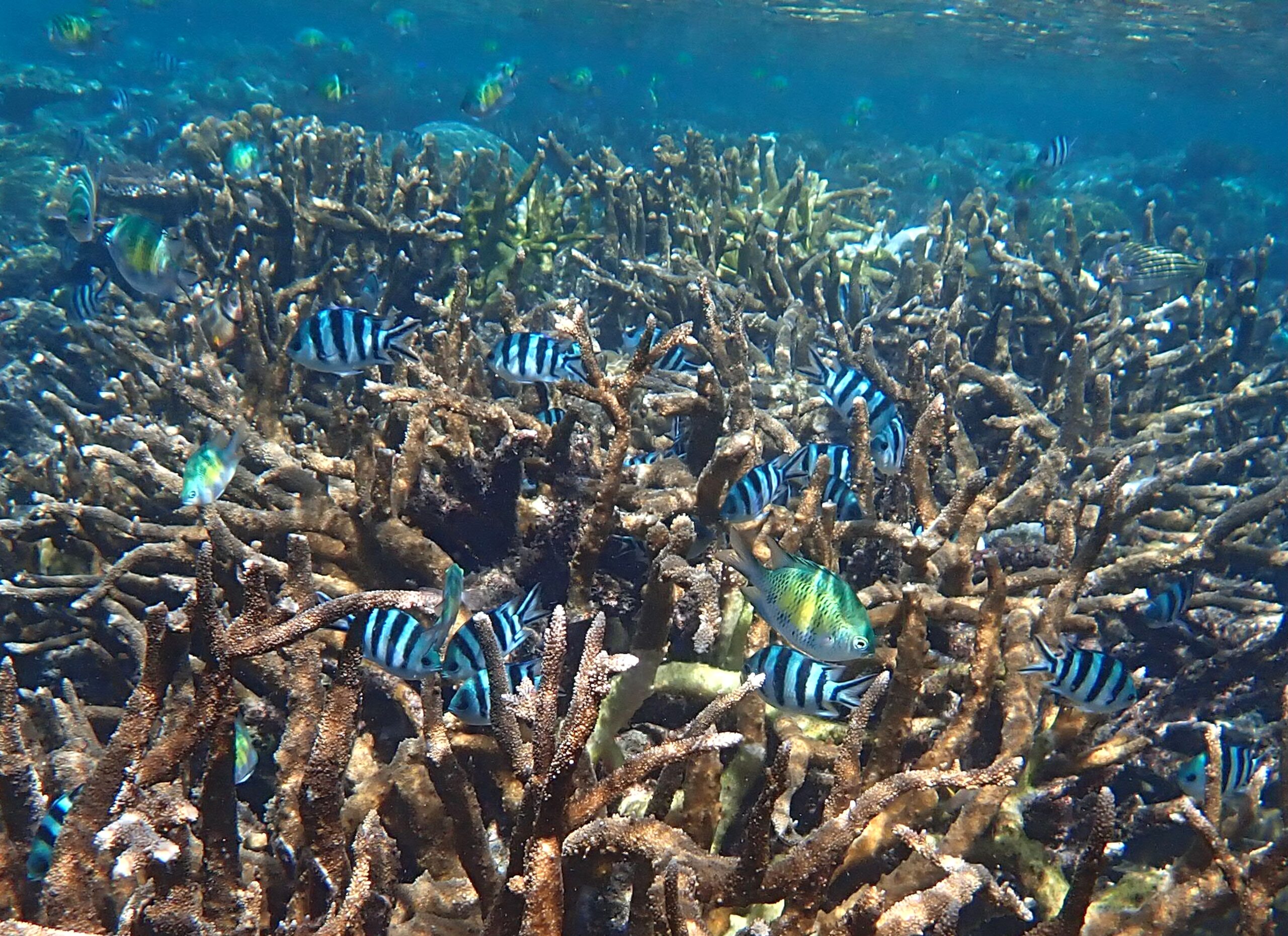
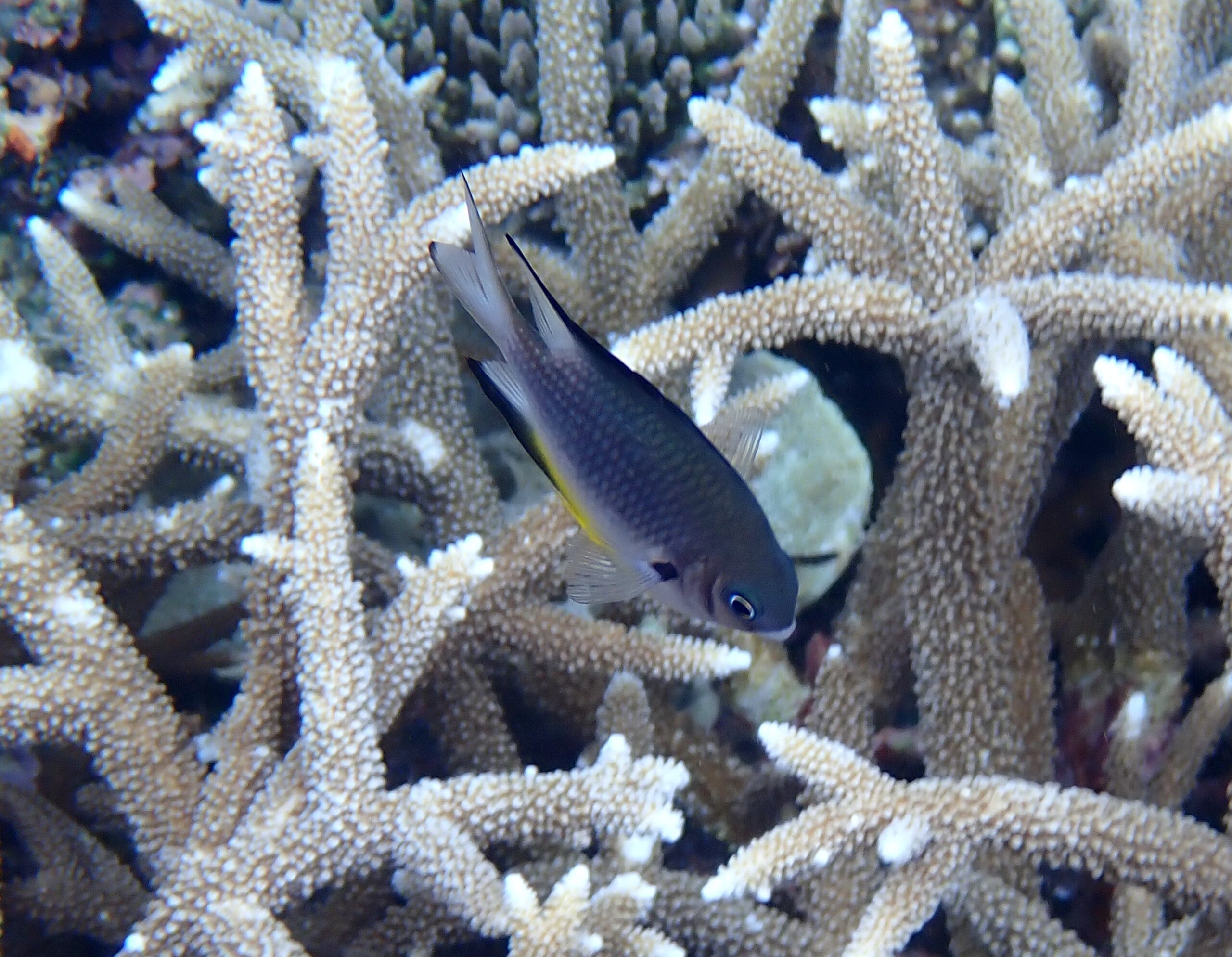
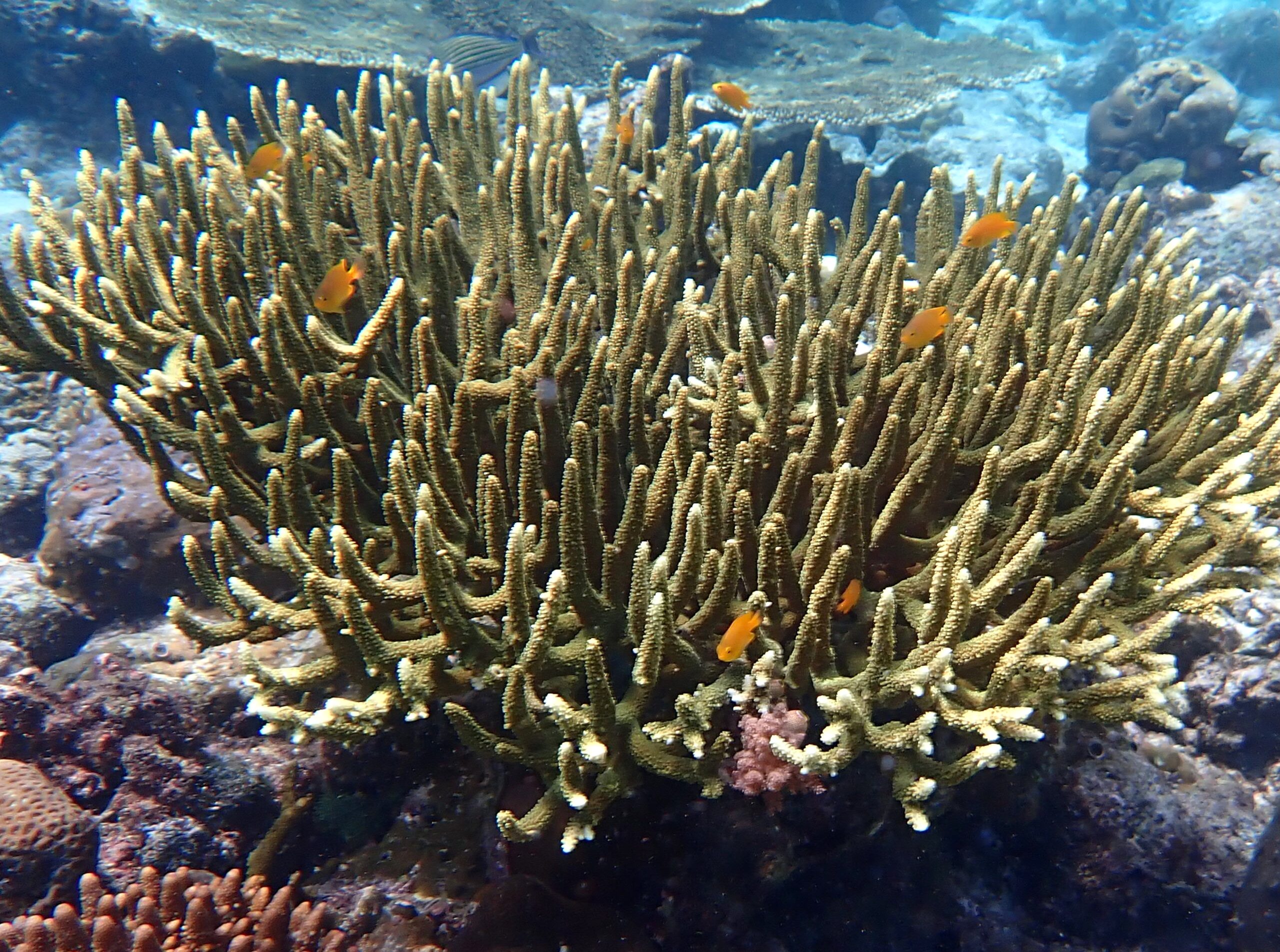
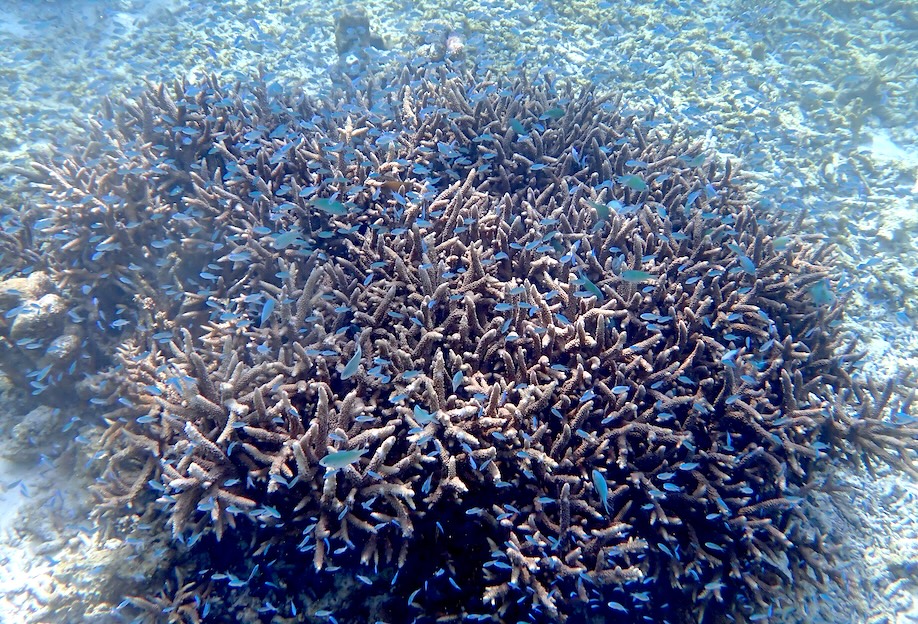
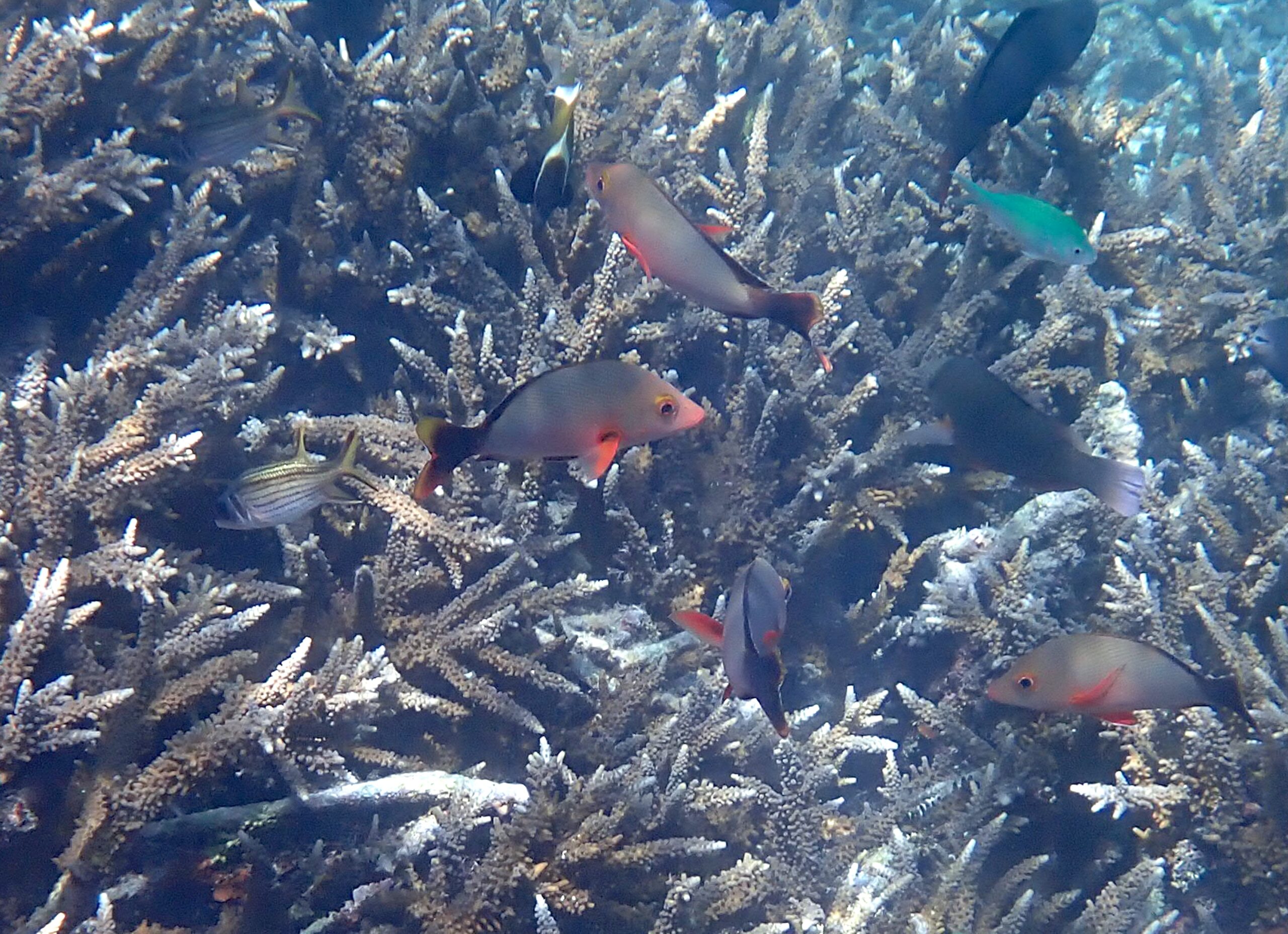
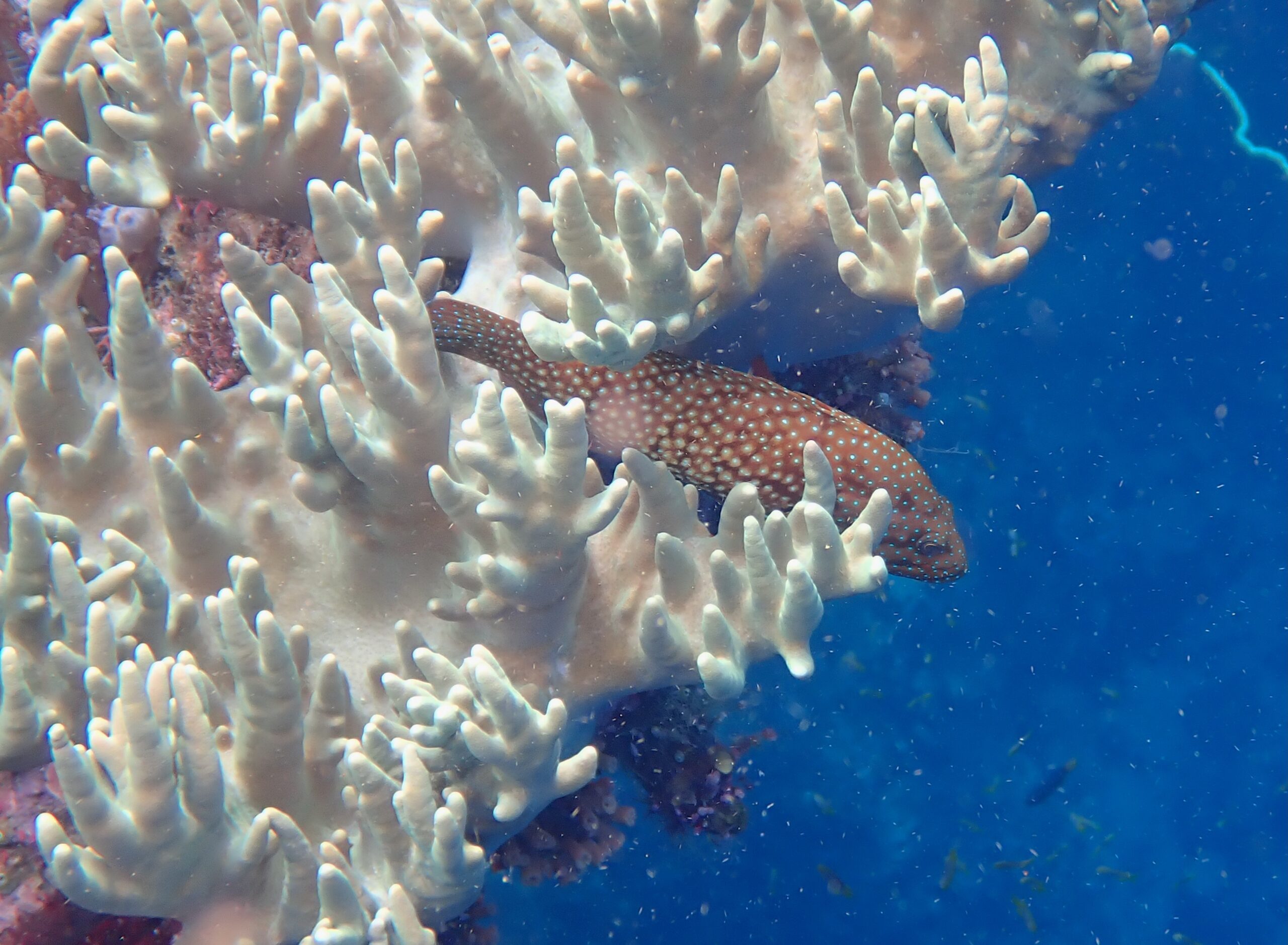
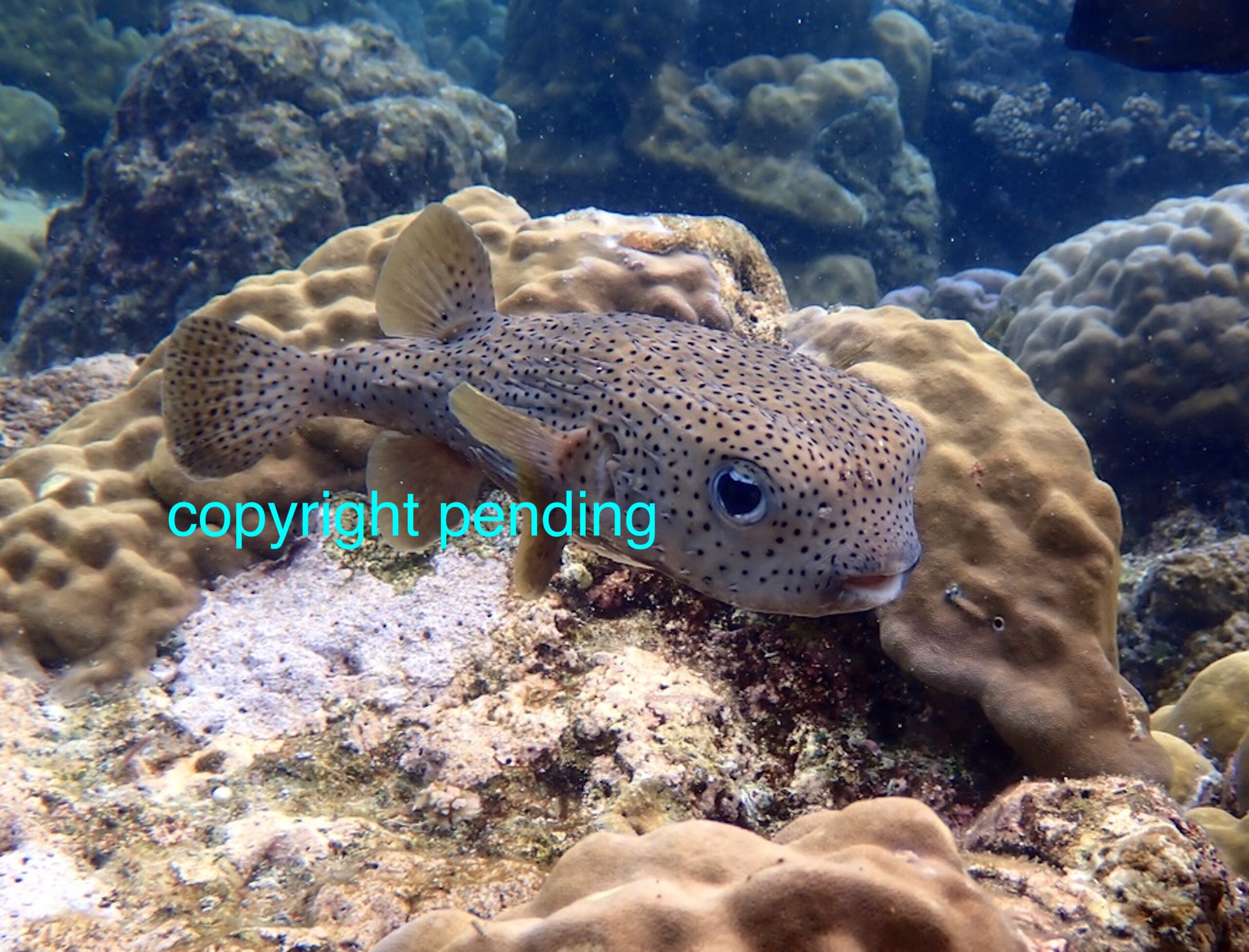
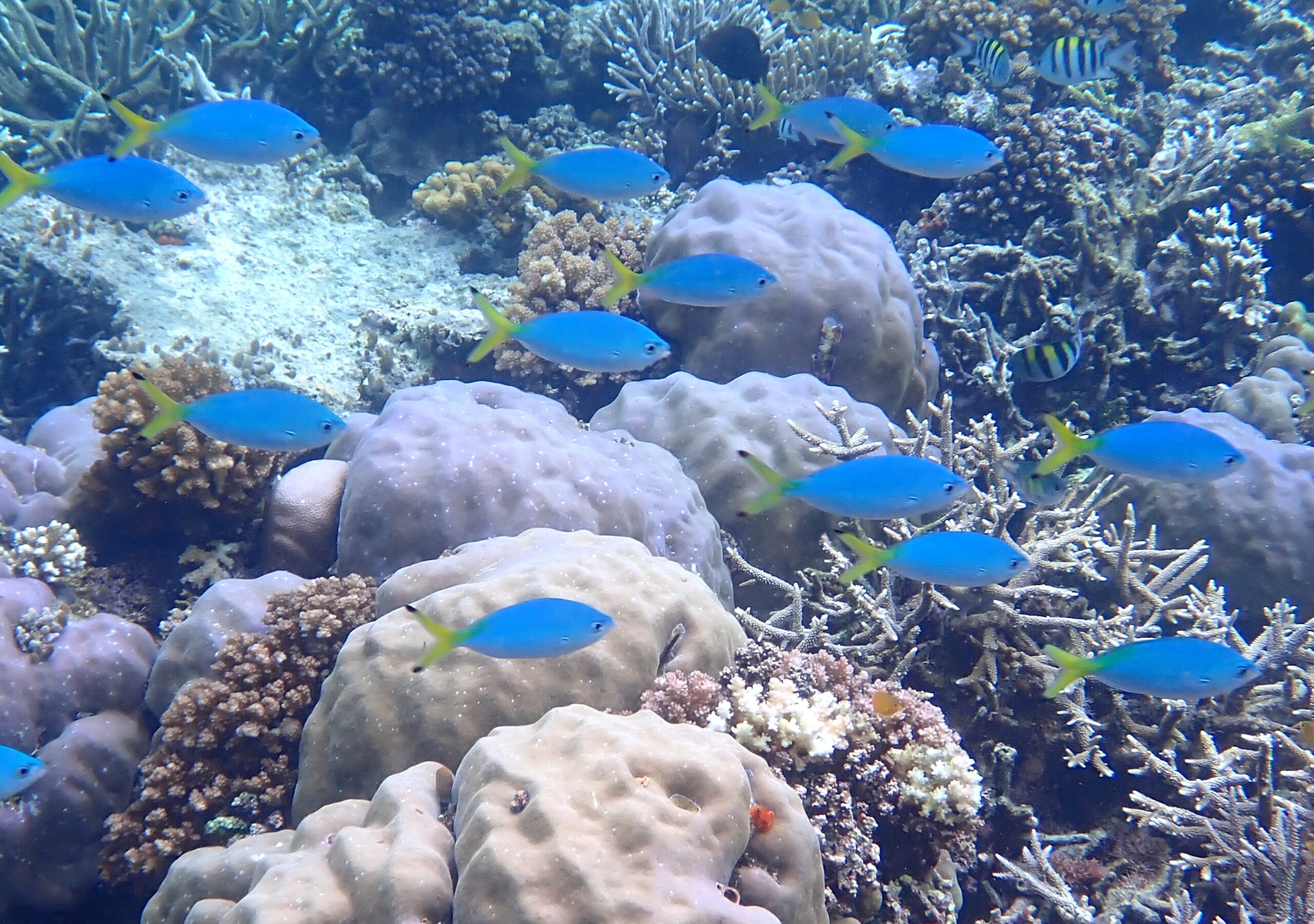
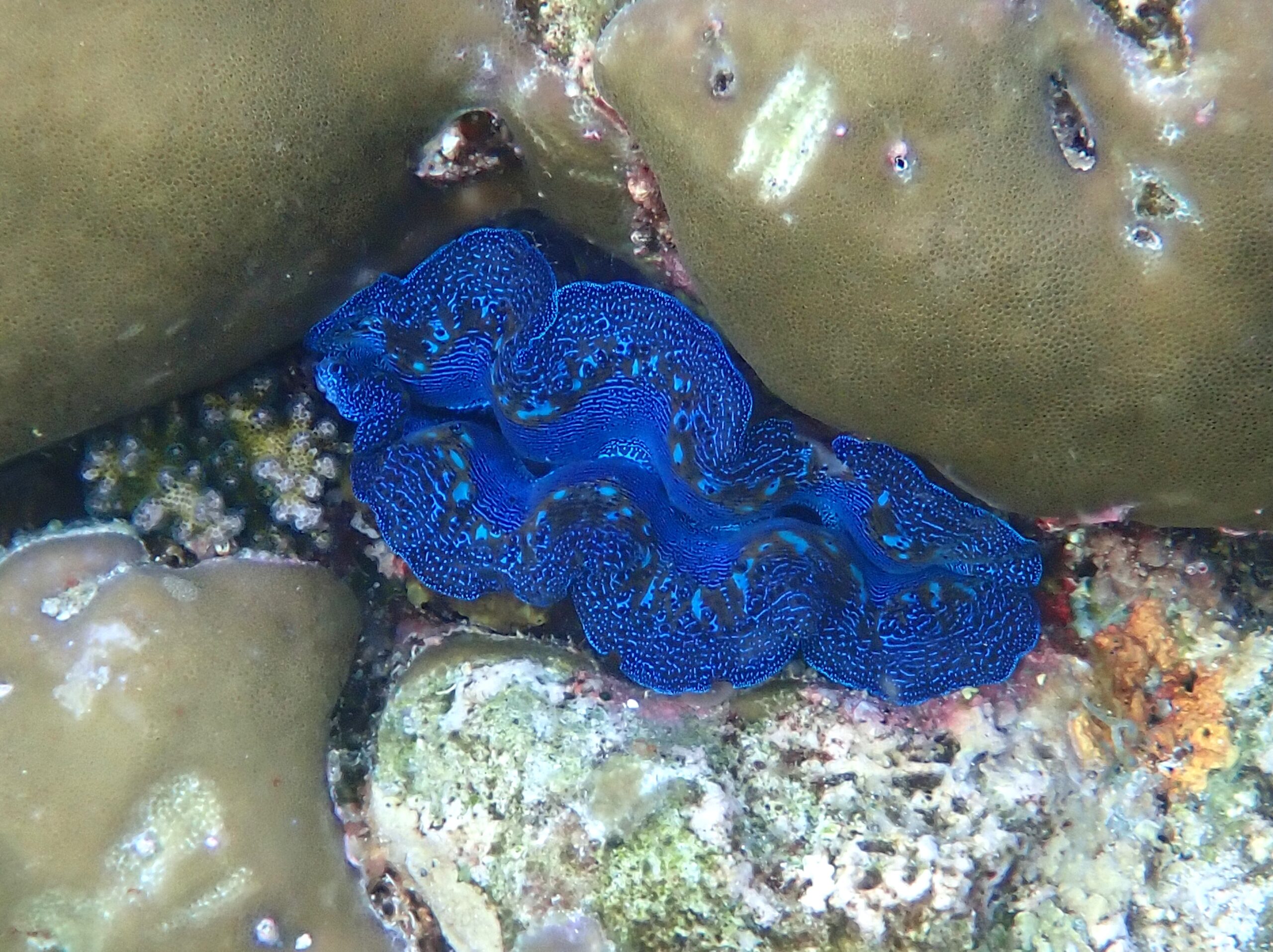
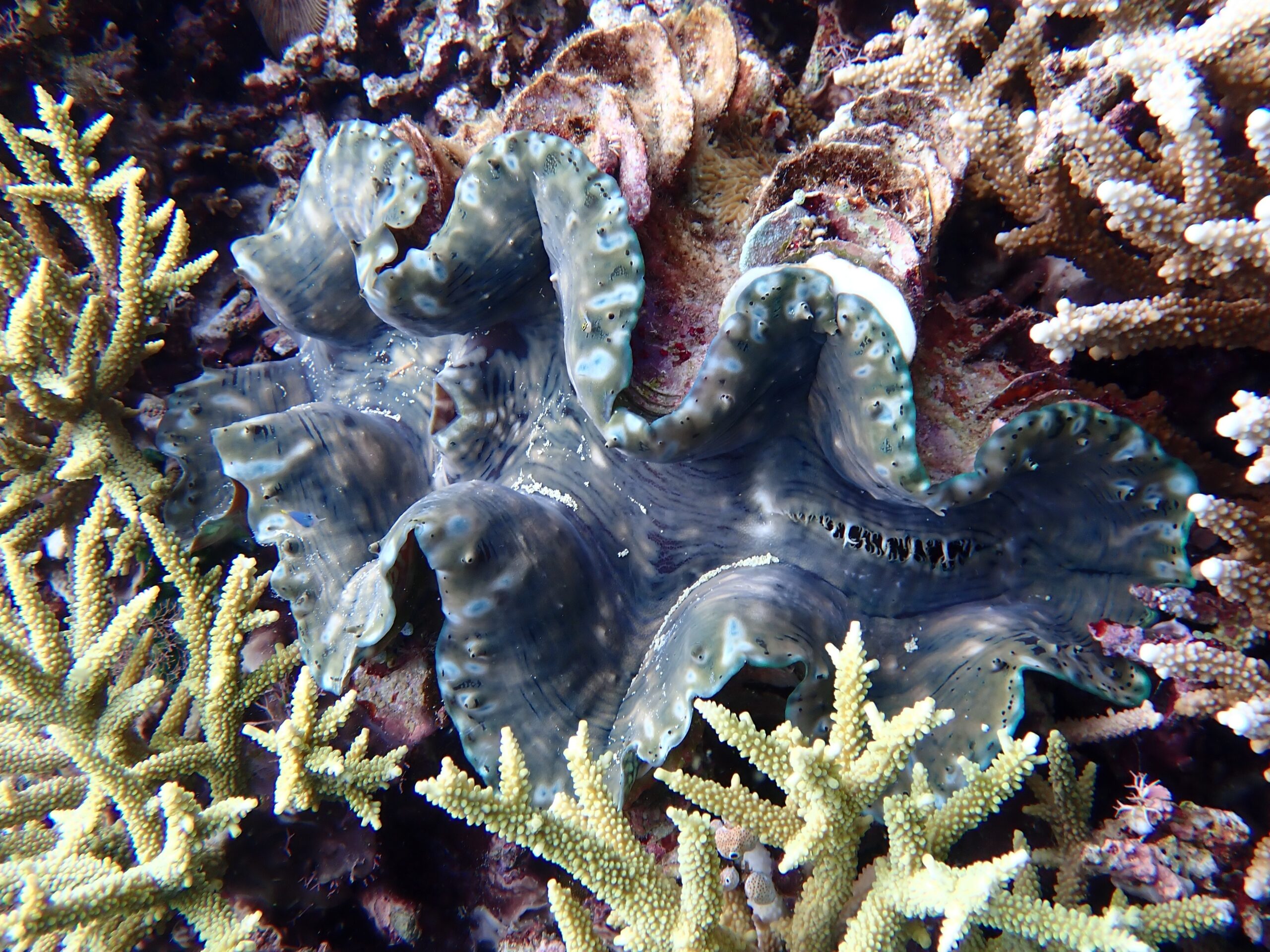
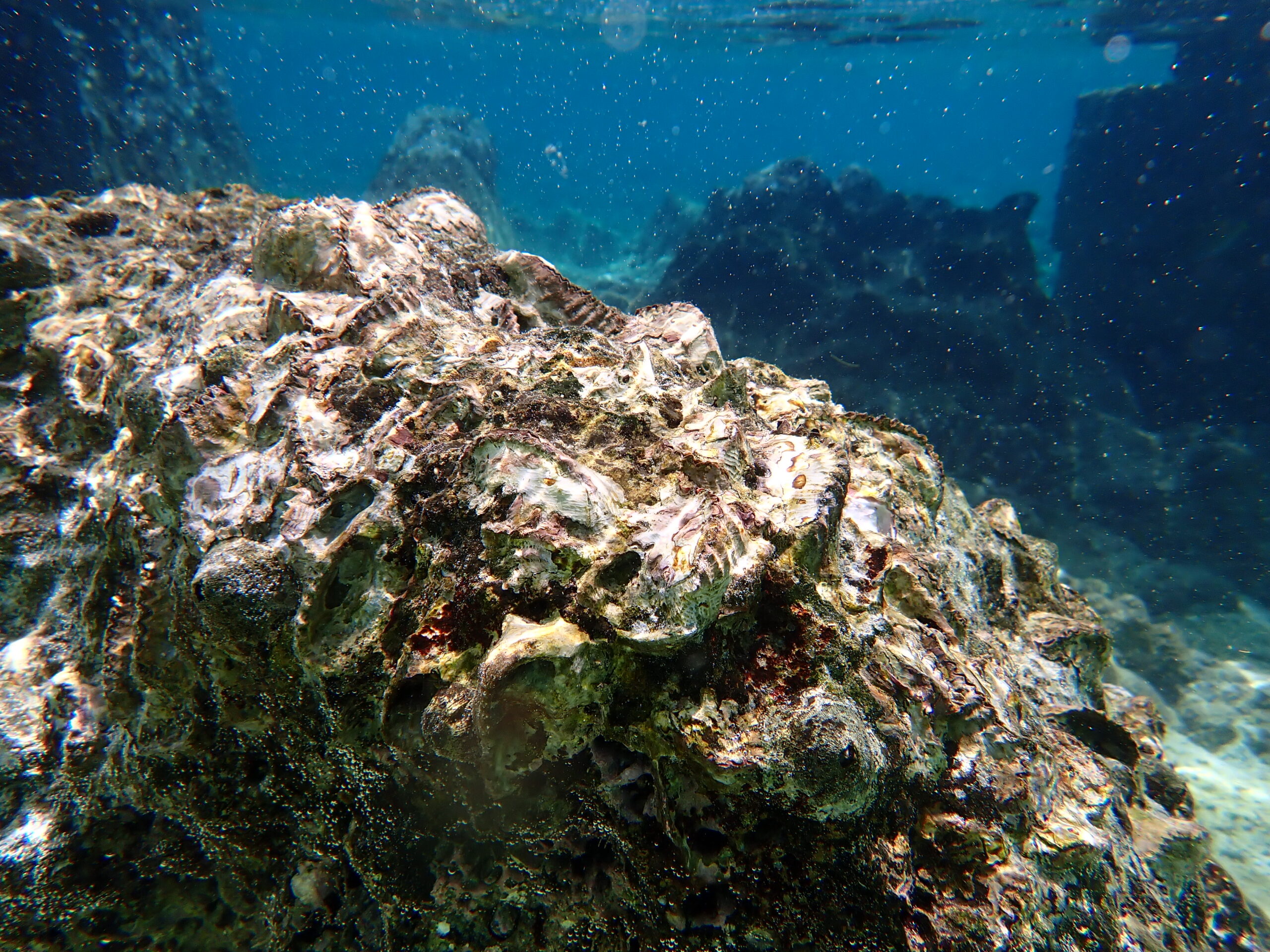
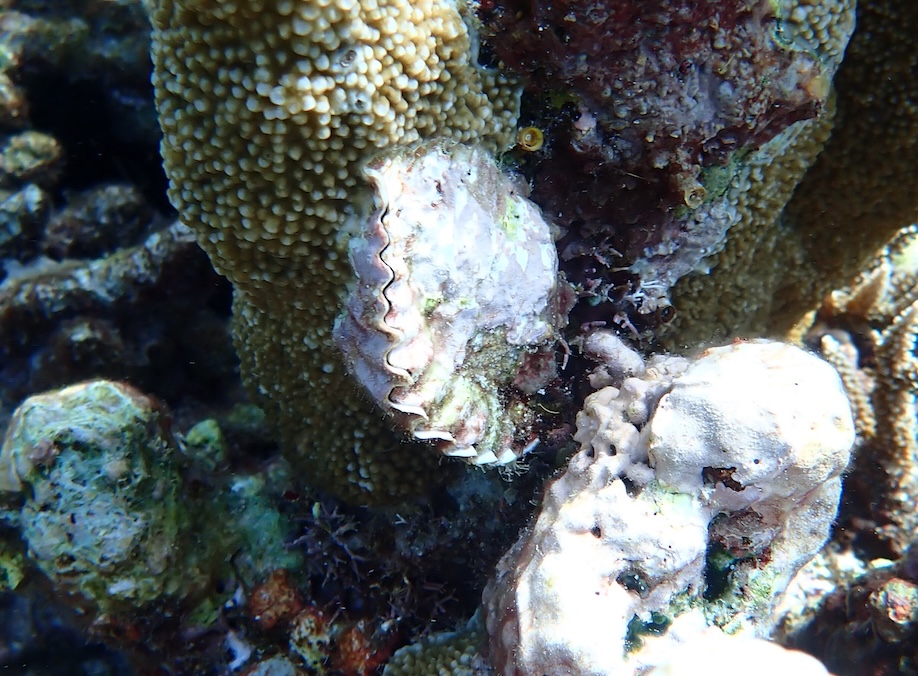
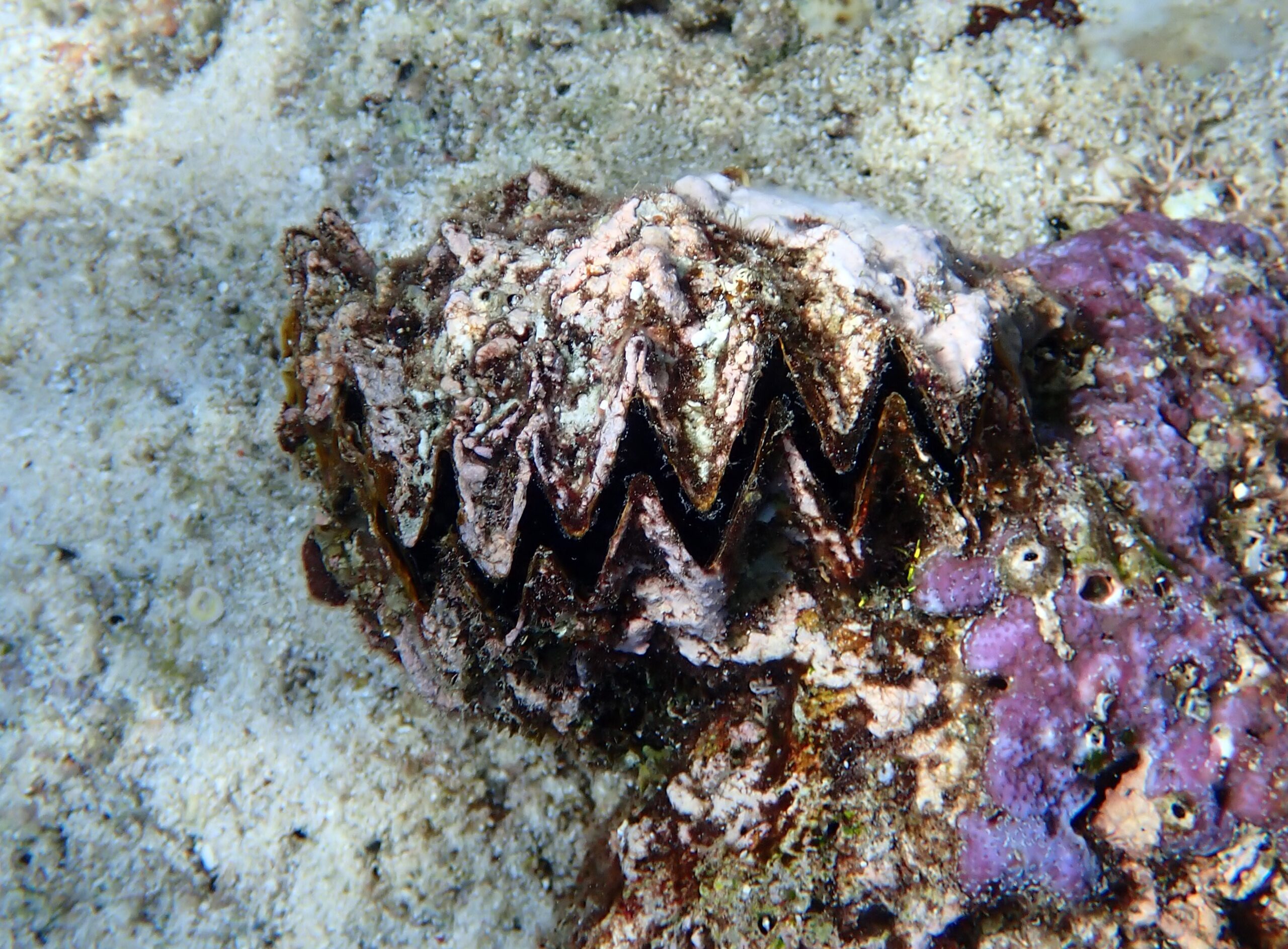
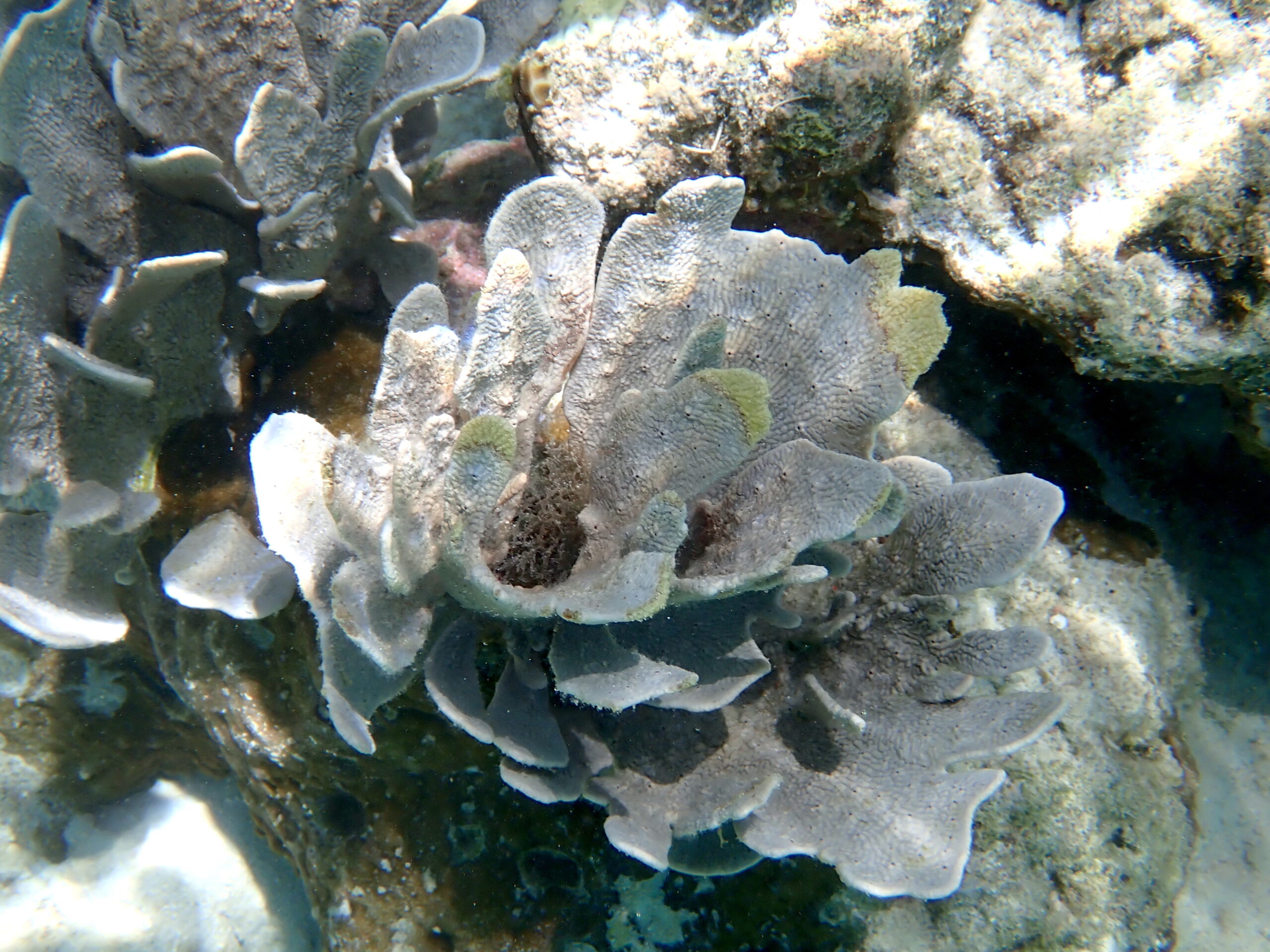
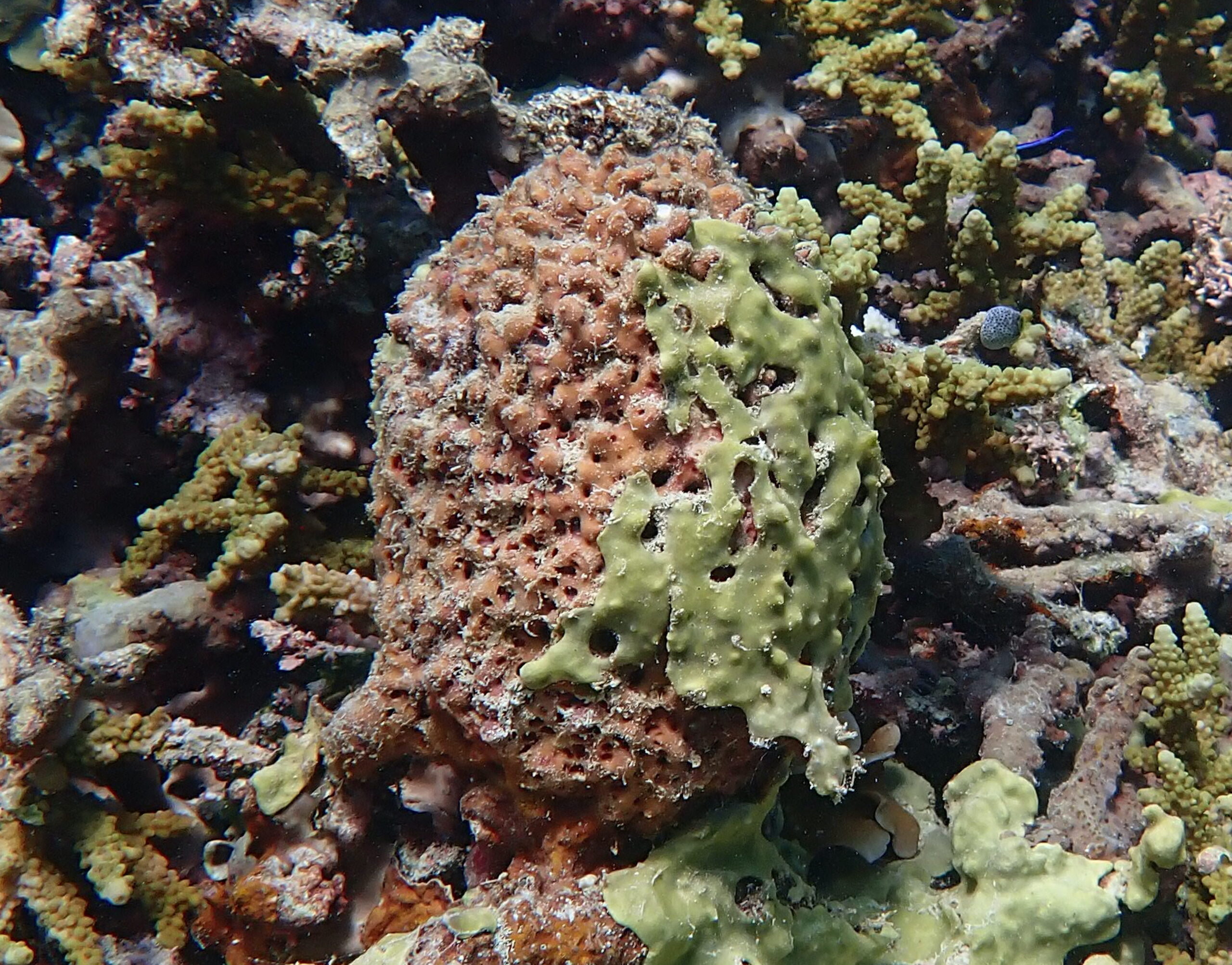
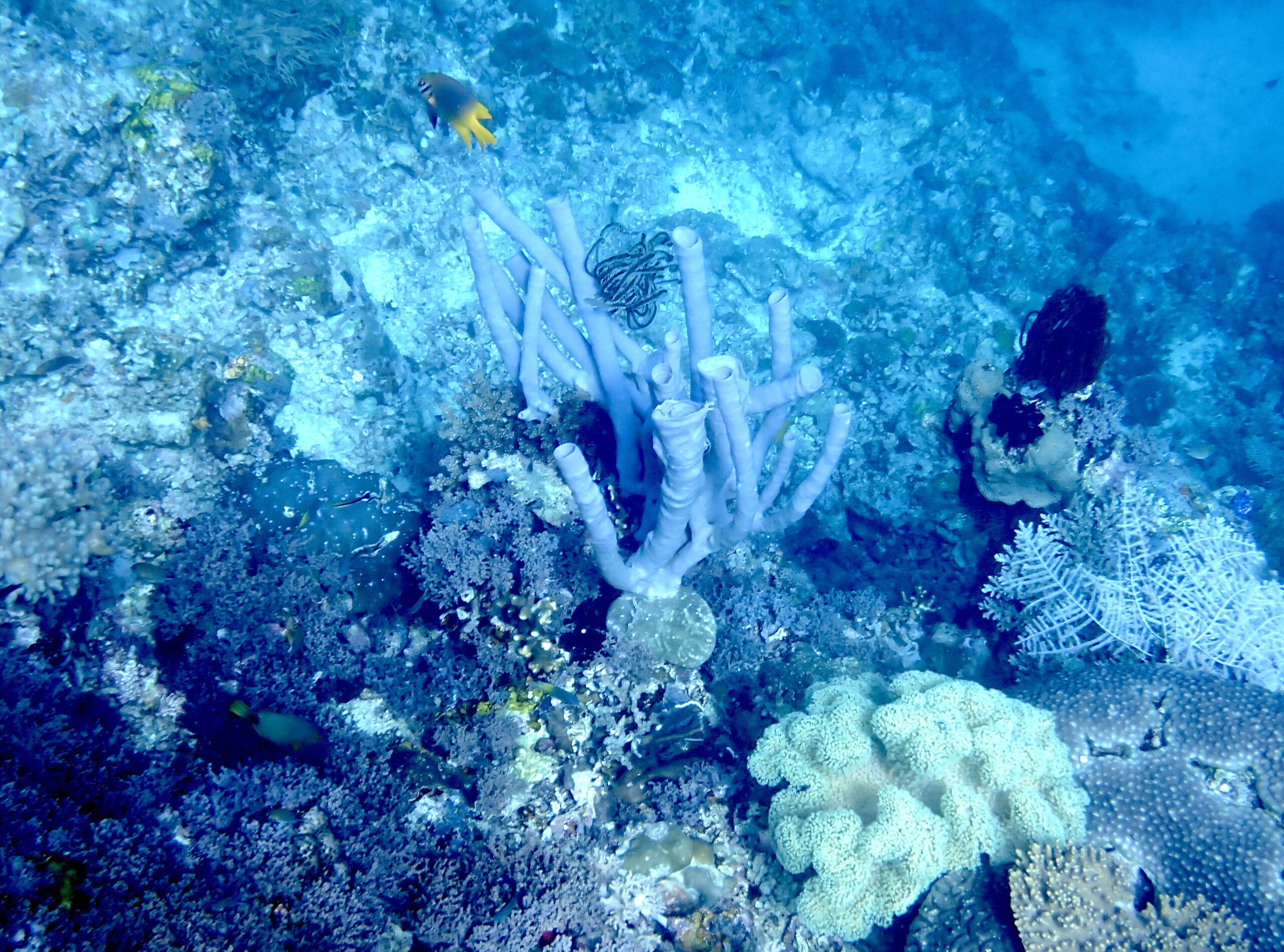
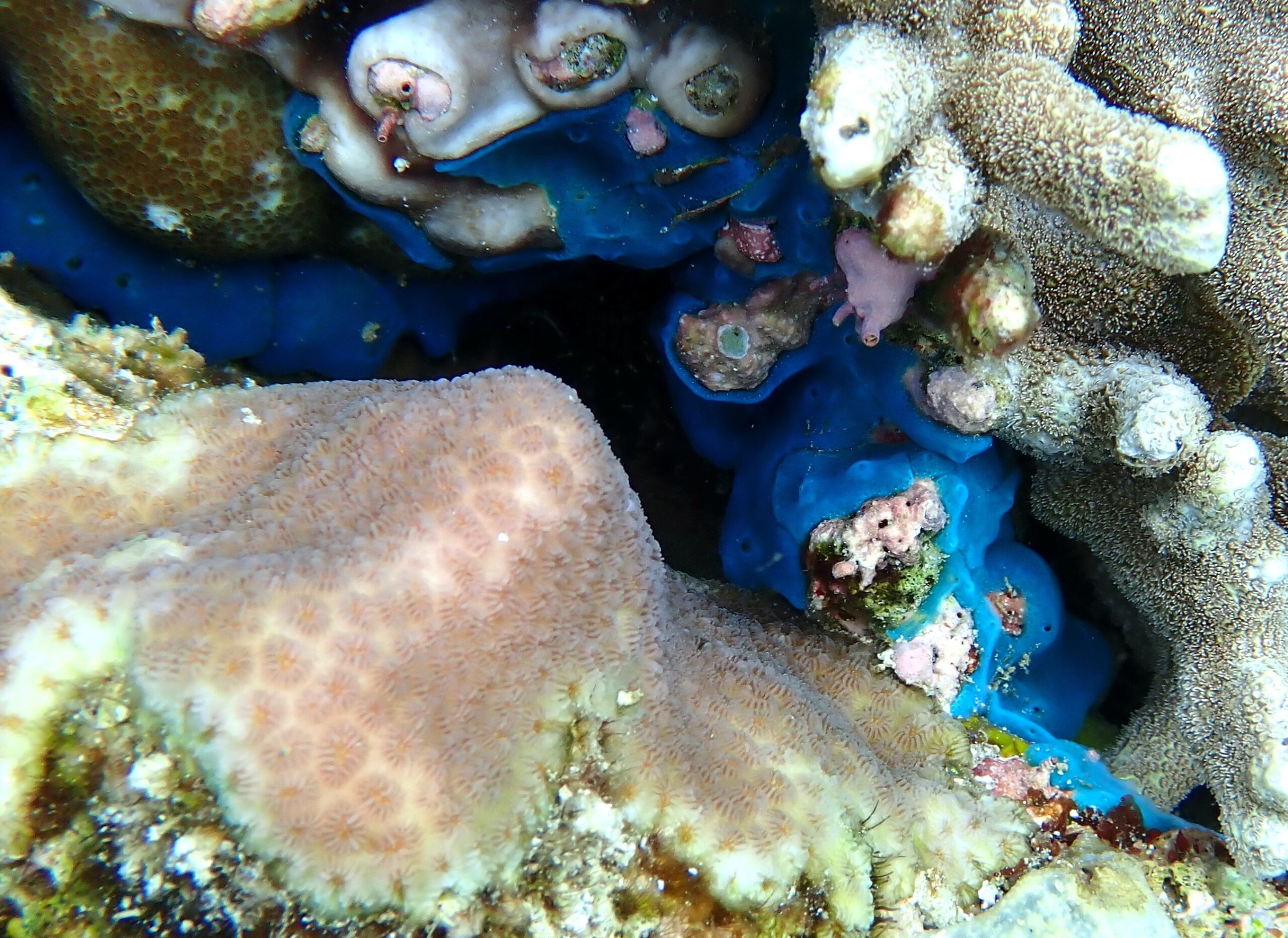
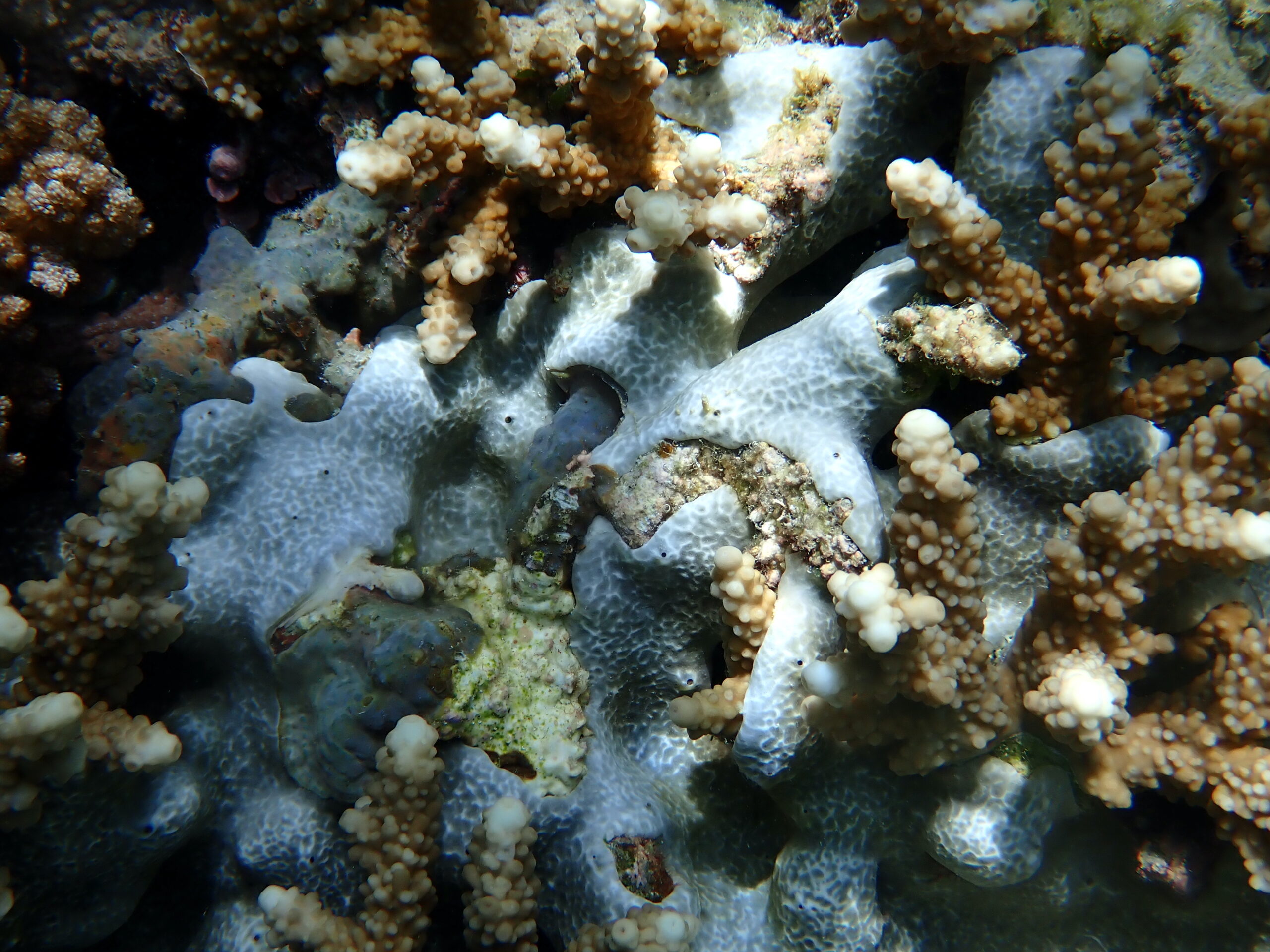
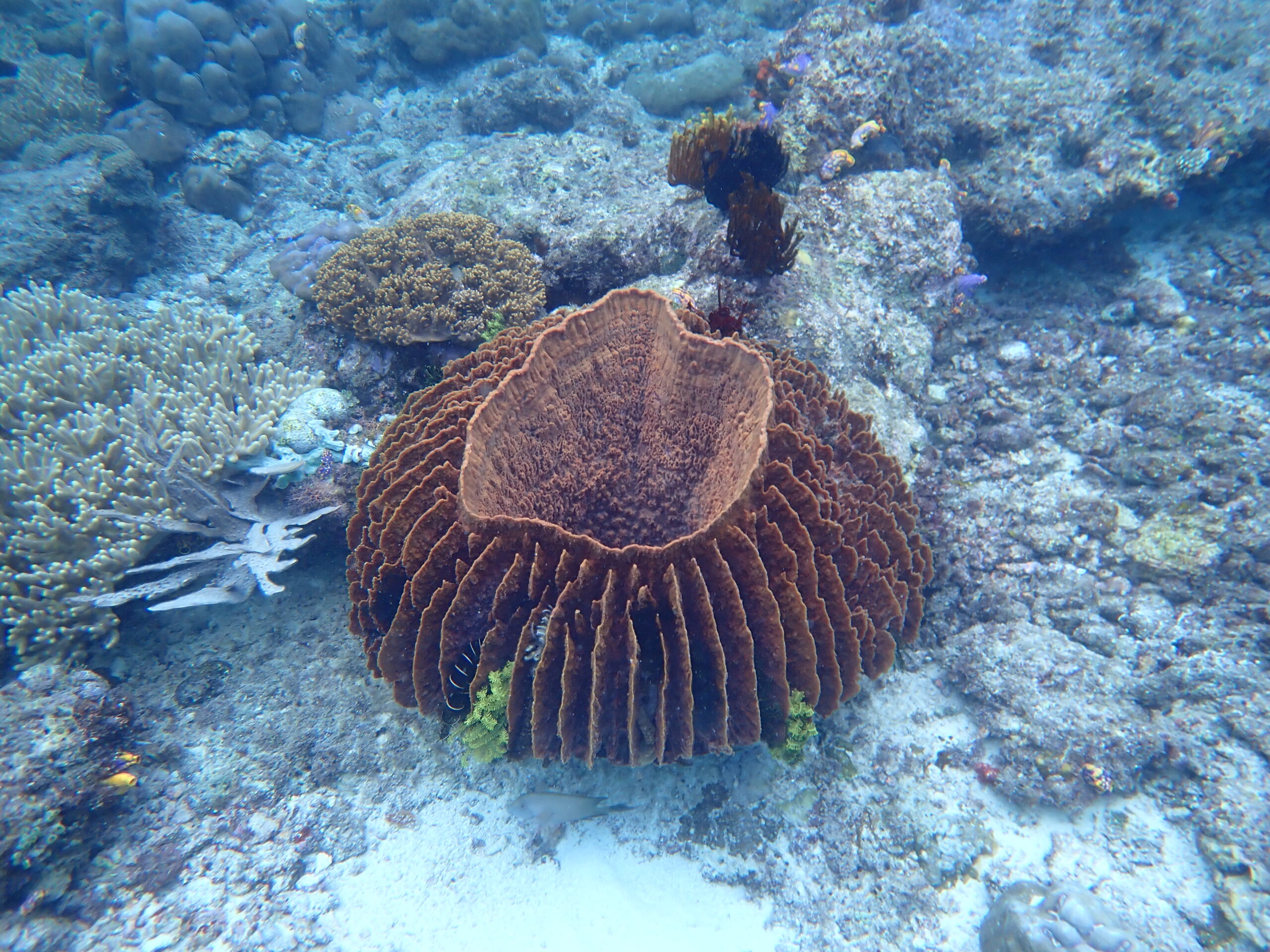
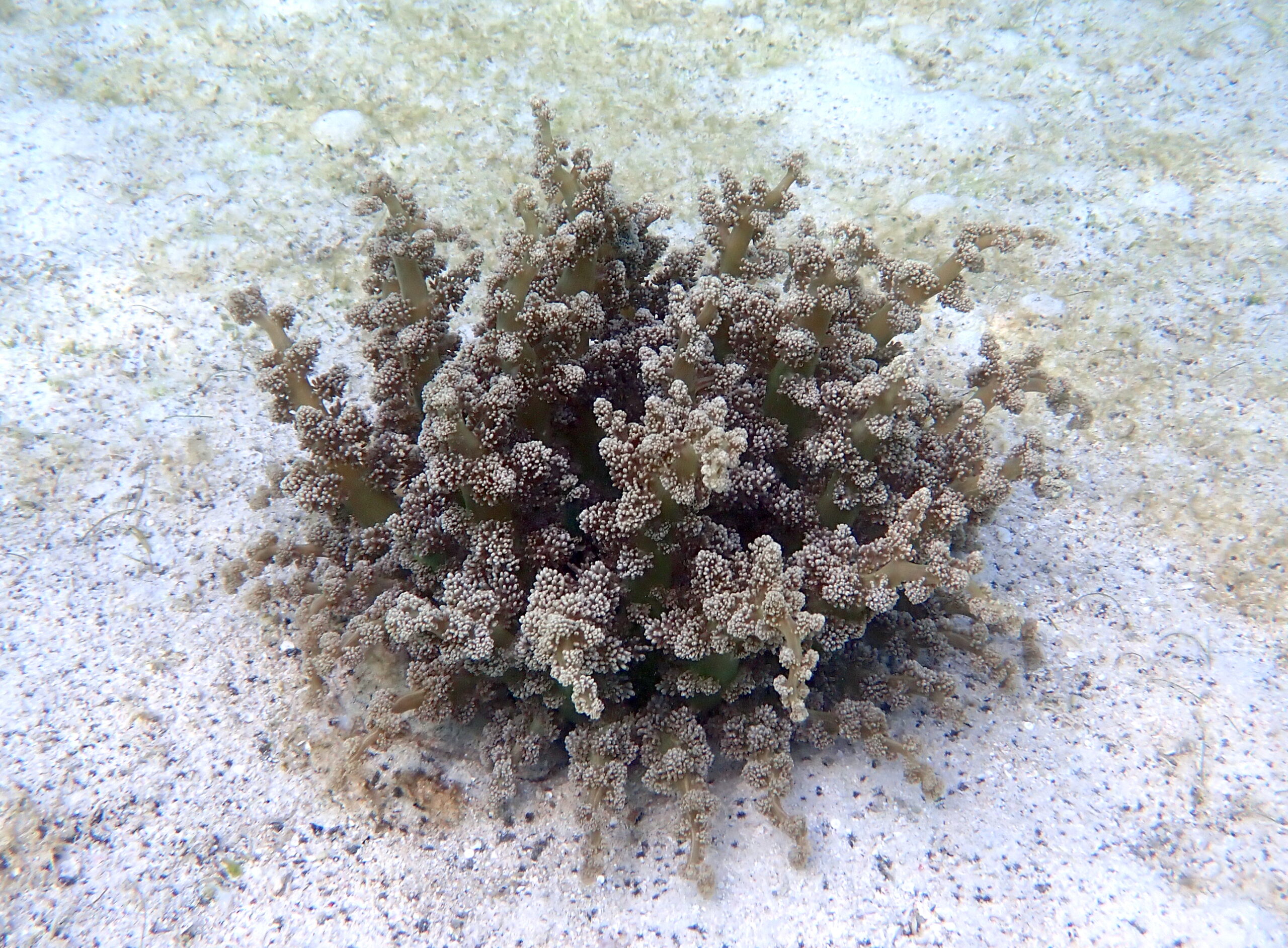
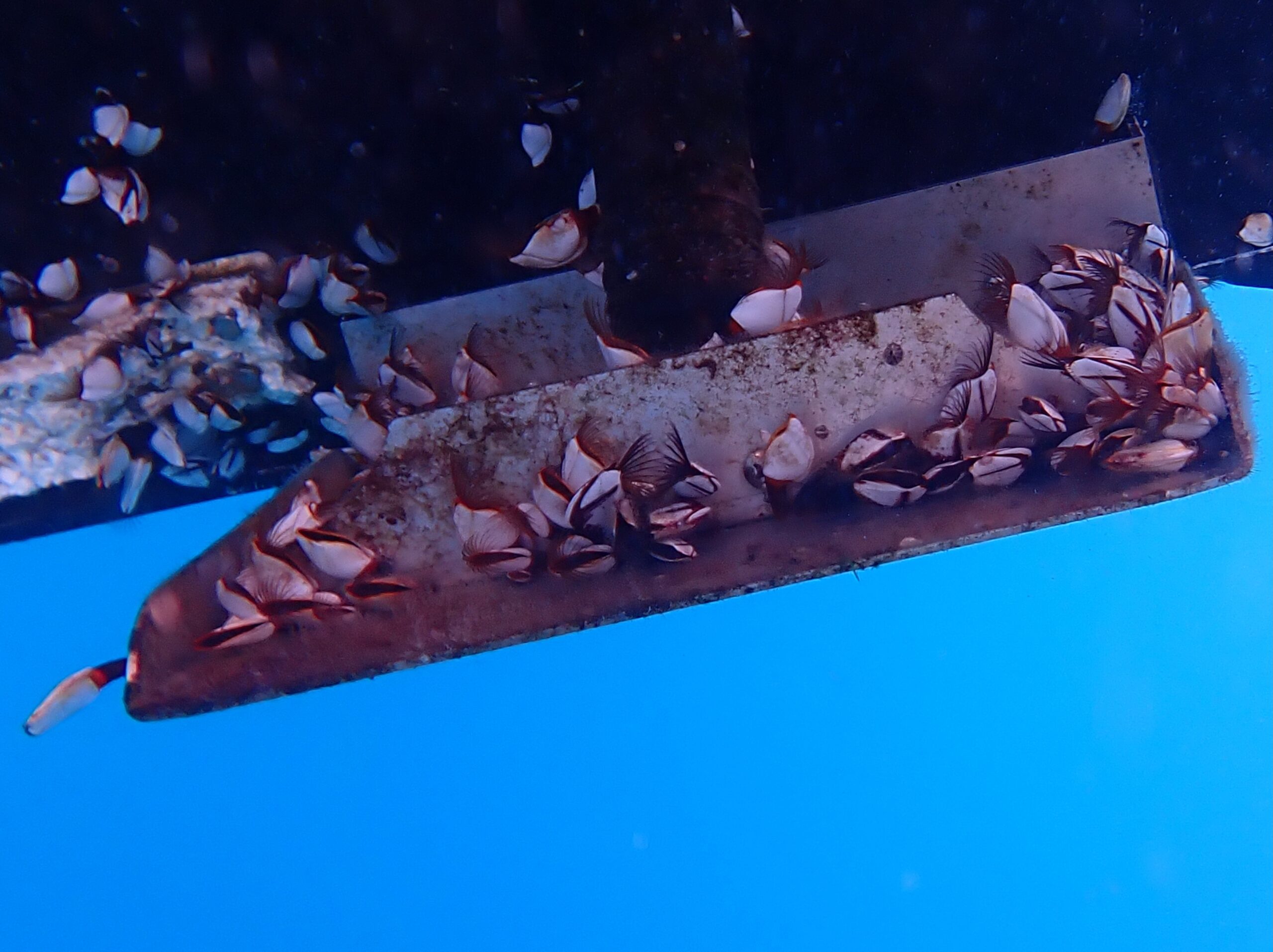
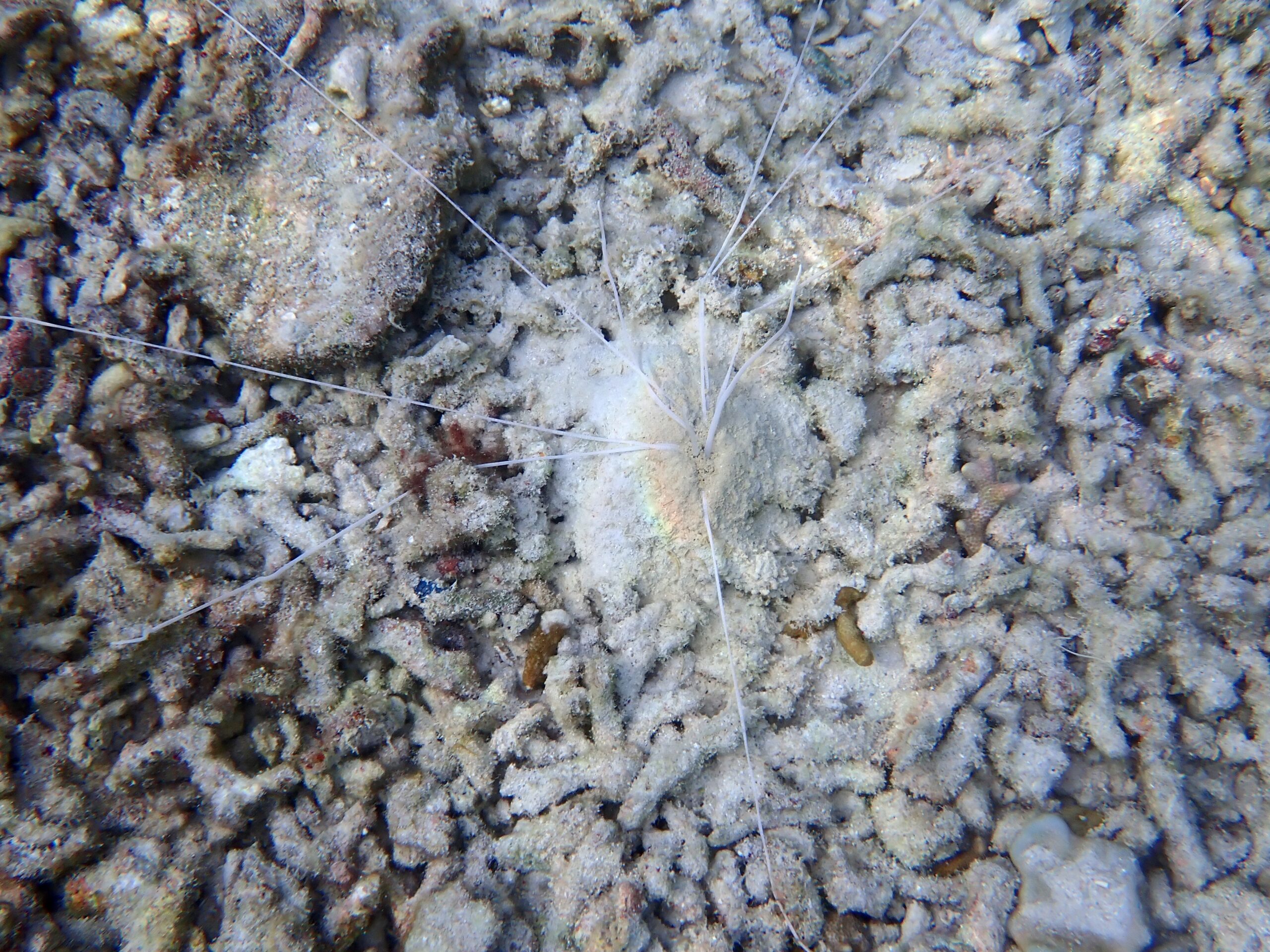
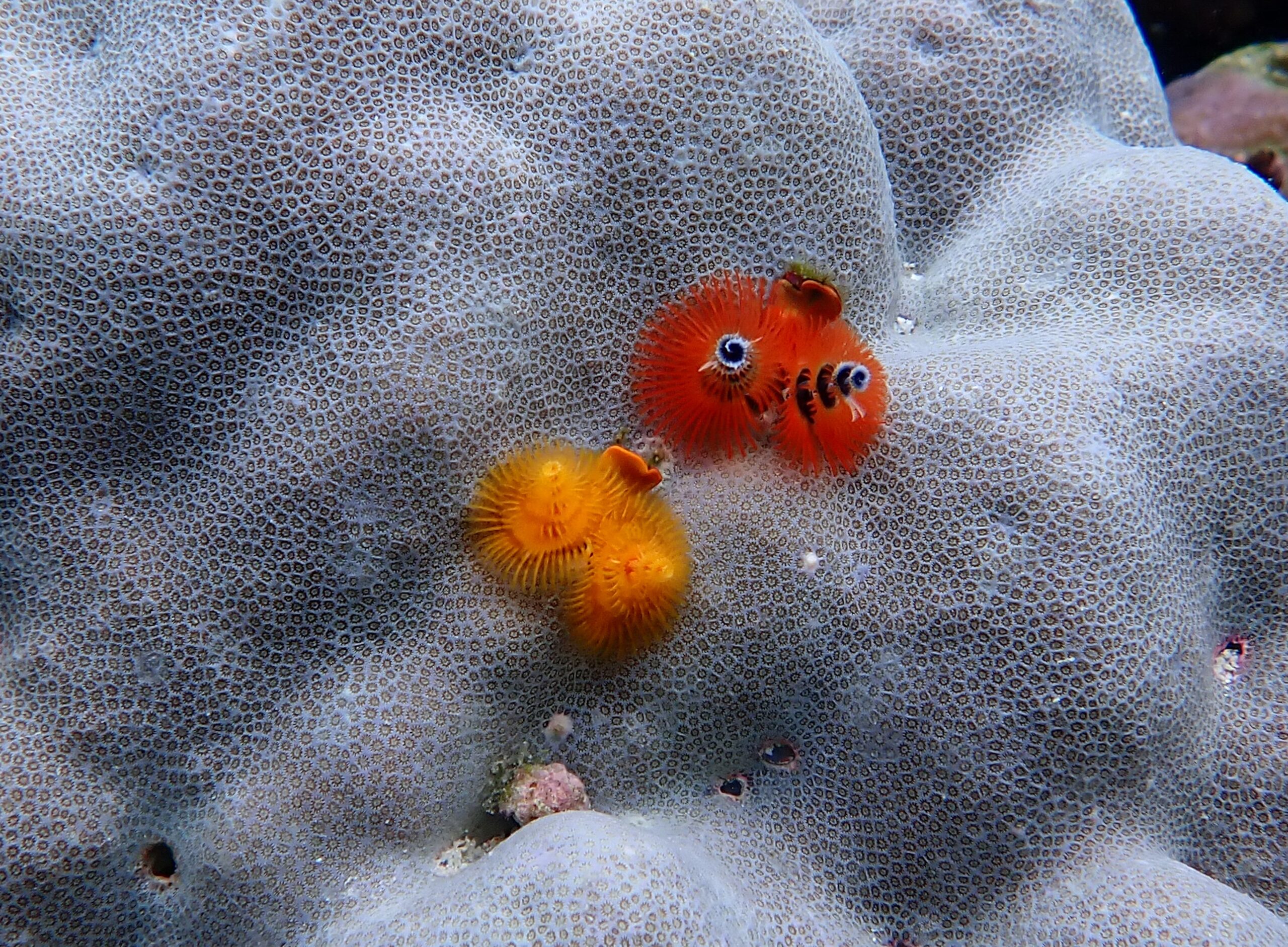
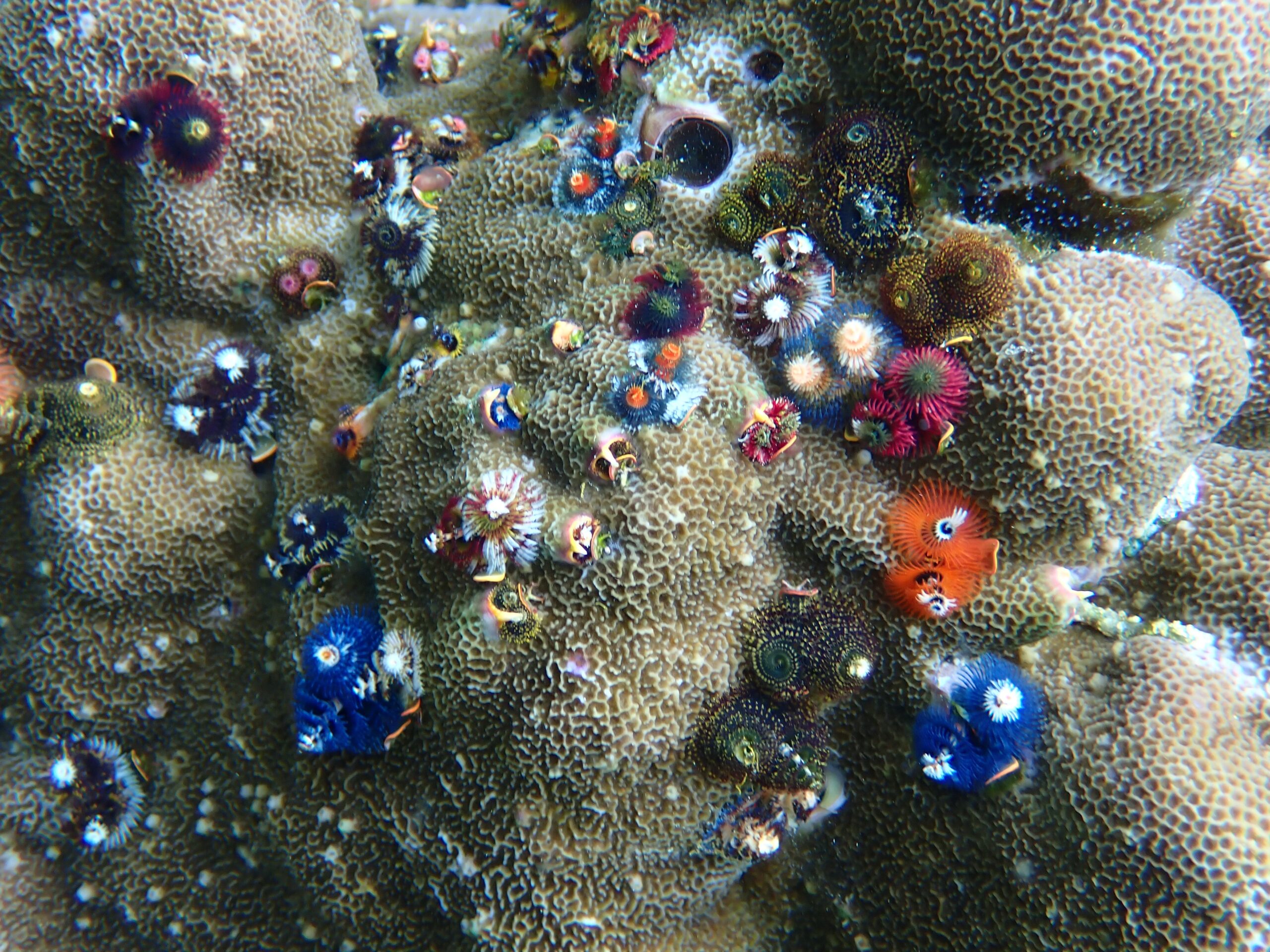
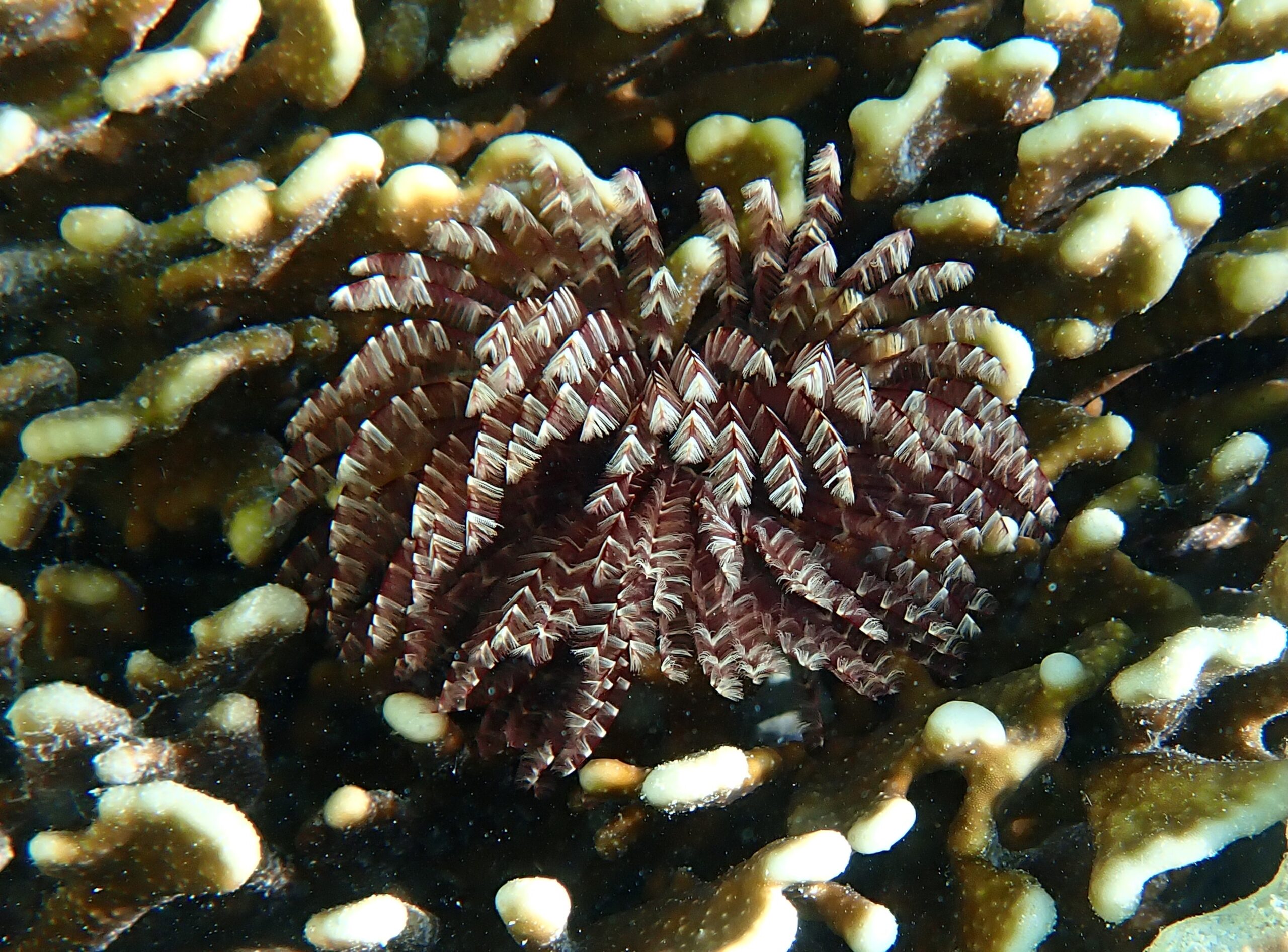
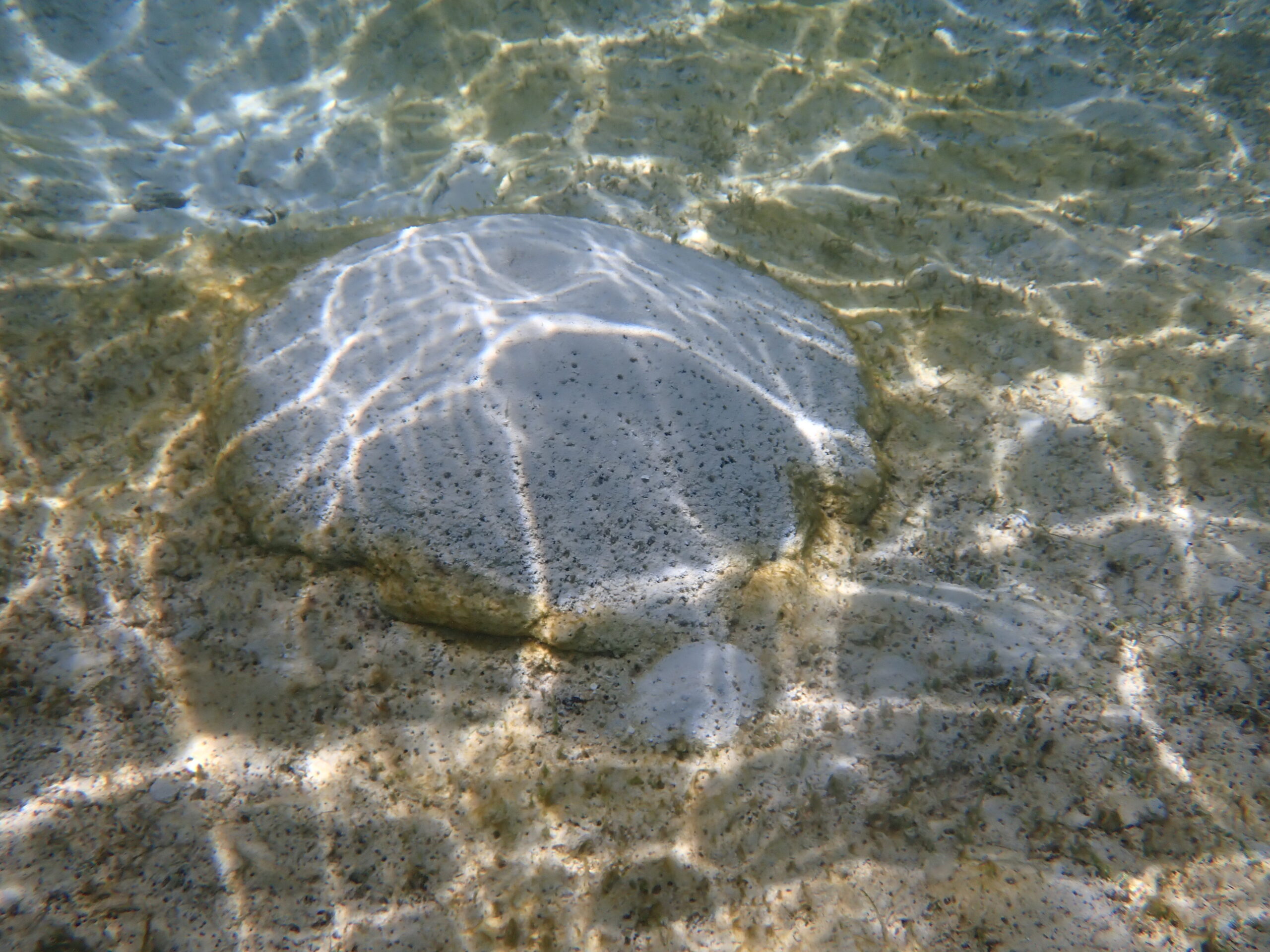
The habitats that can be observed while snorkelling at the resort include:  Healthy coral reef, including extensive areas of branching Acropora, large boulder Porites and patches of Montipora sp.  Several areas of the Octocoral, Heliopora (Blue Coral) may also be found in the north lagoon area.  Areas in the shallow waters comprise silty sands, often with associated seagrasses.  Artificial features include the jetty on the channel, which has a variety of fouling species.    There is also a deep water Blue Hole in the south beach area which is home to many large shoaling species.  A few areas of degraded coral are evident, generally off the south beach but these are being compensated for by new introductions of coral species on the banks of the Blue Hole.

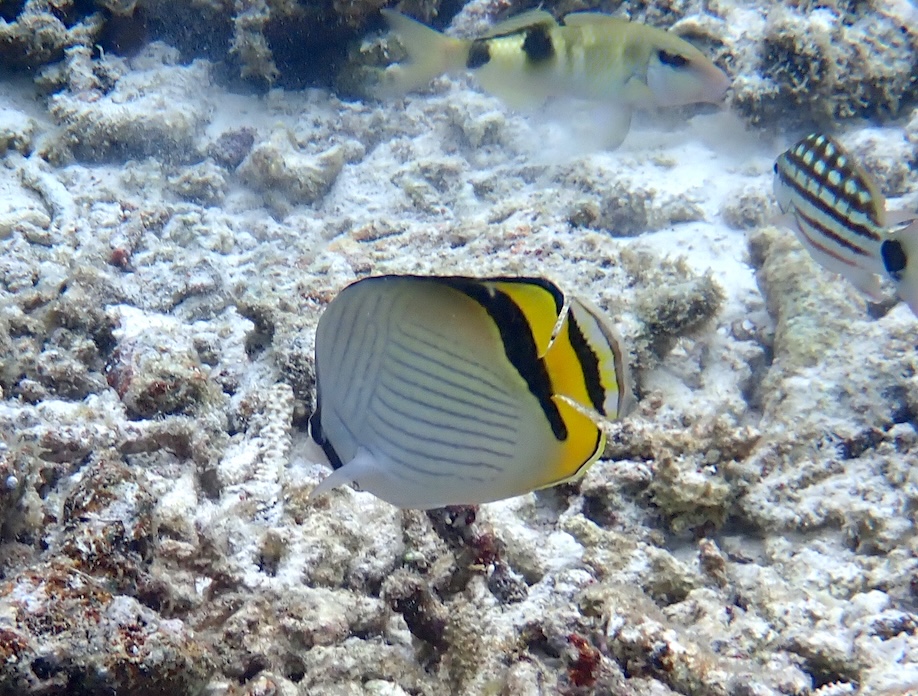
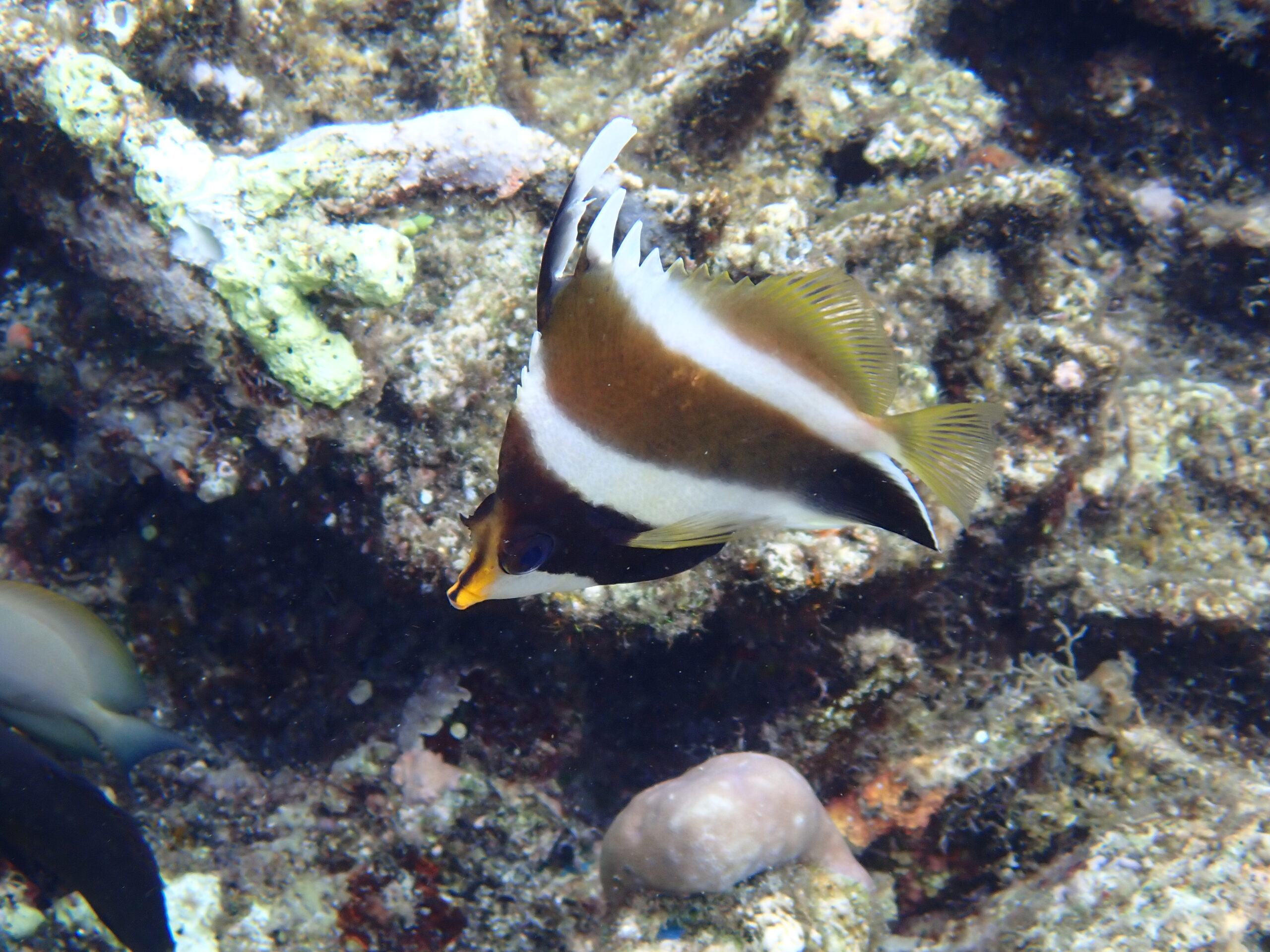
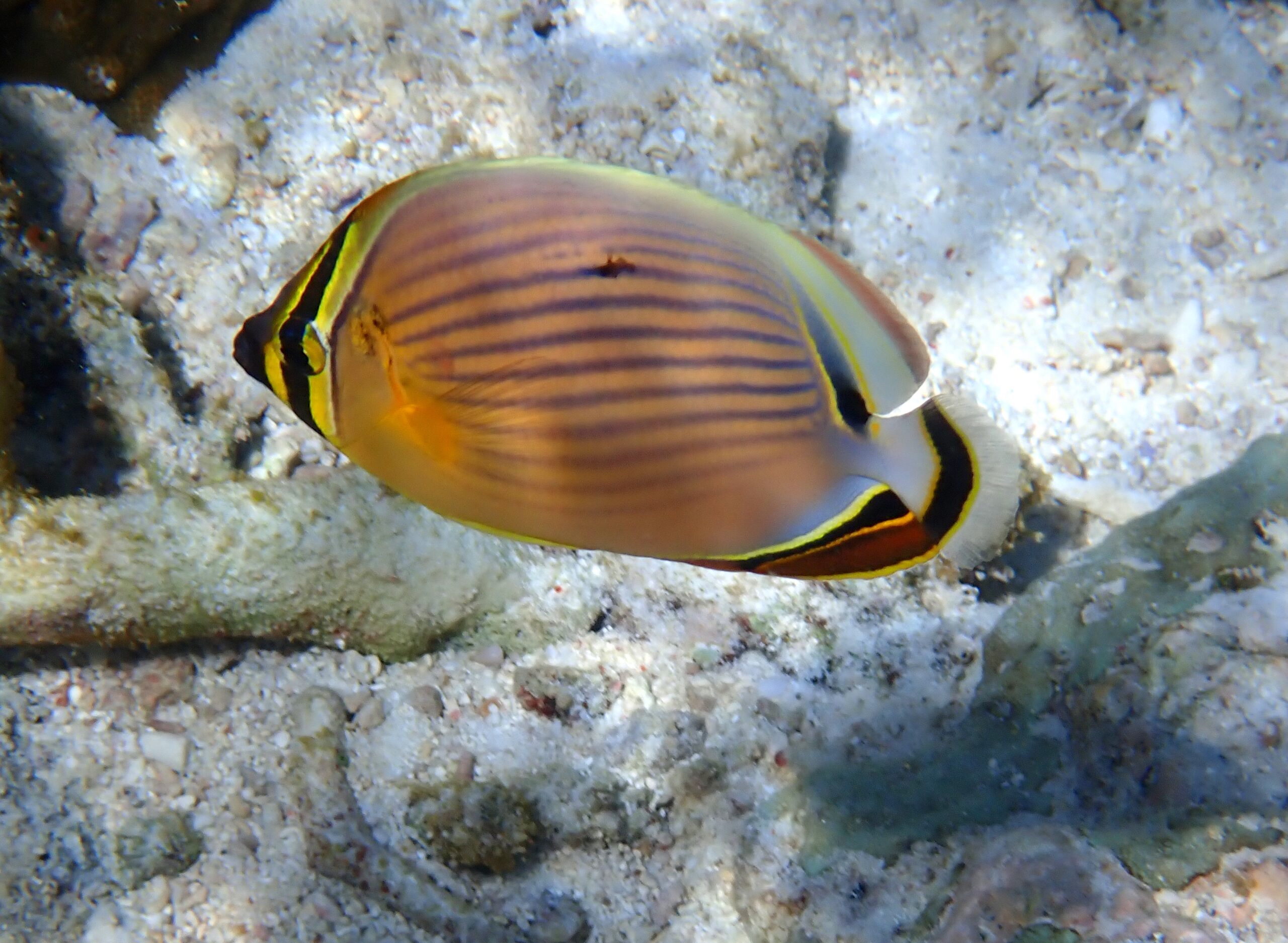
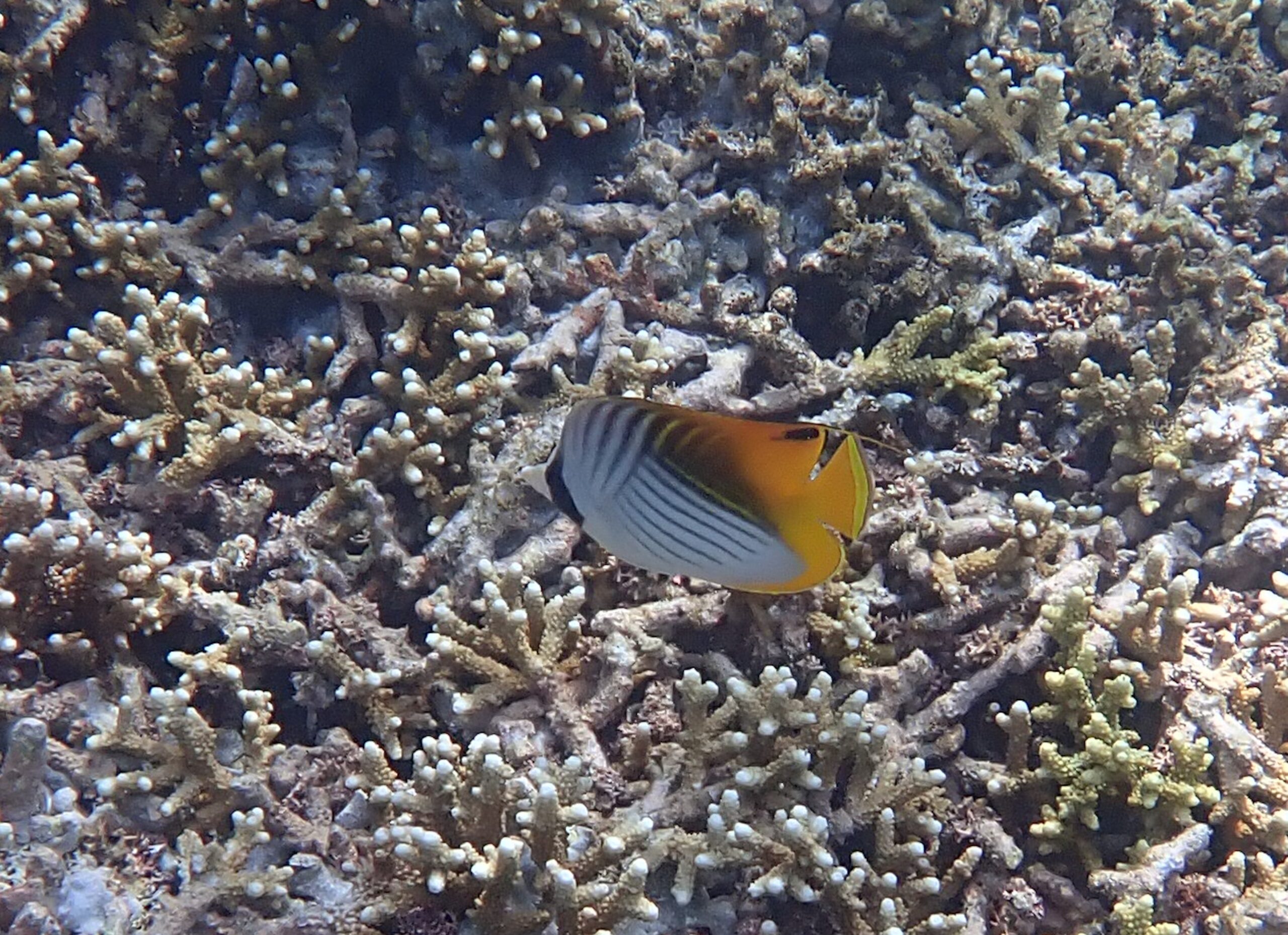
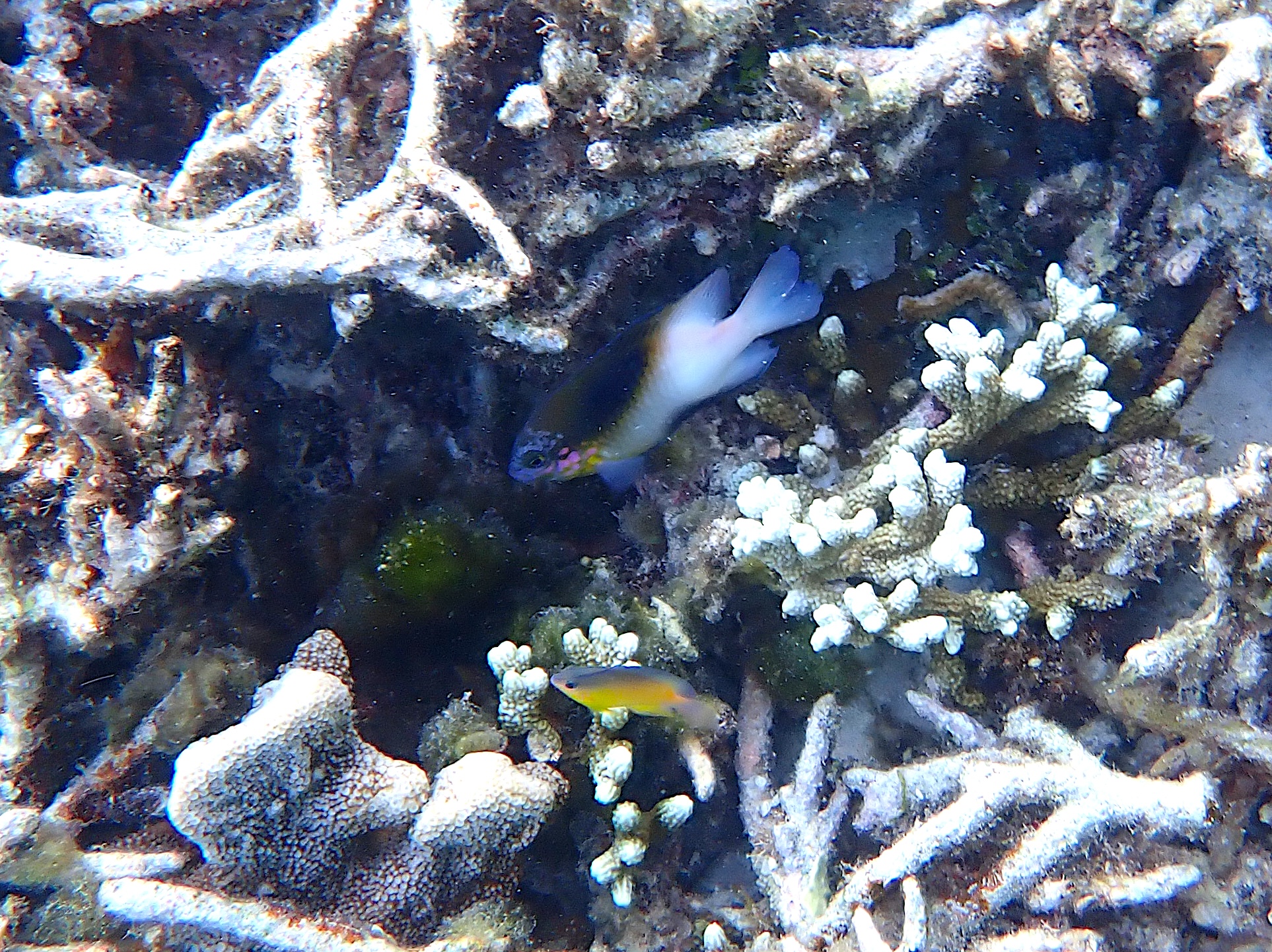
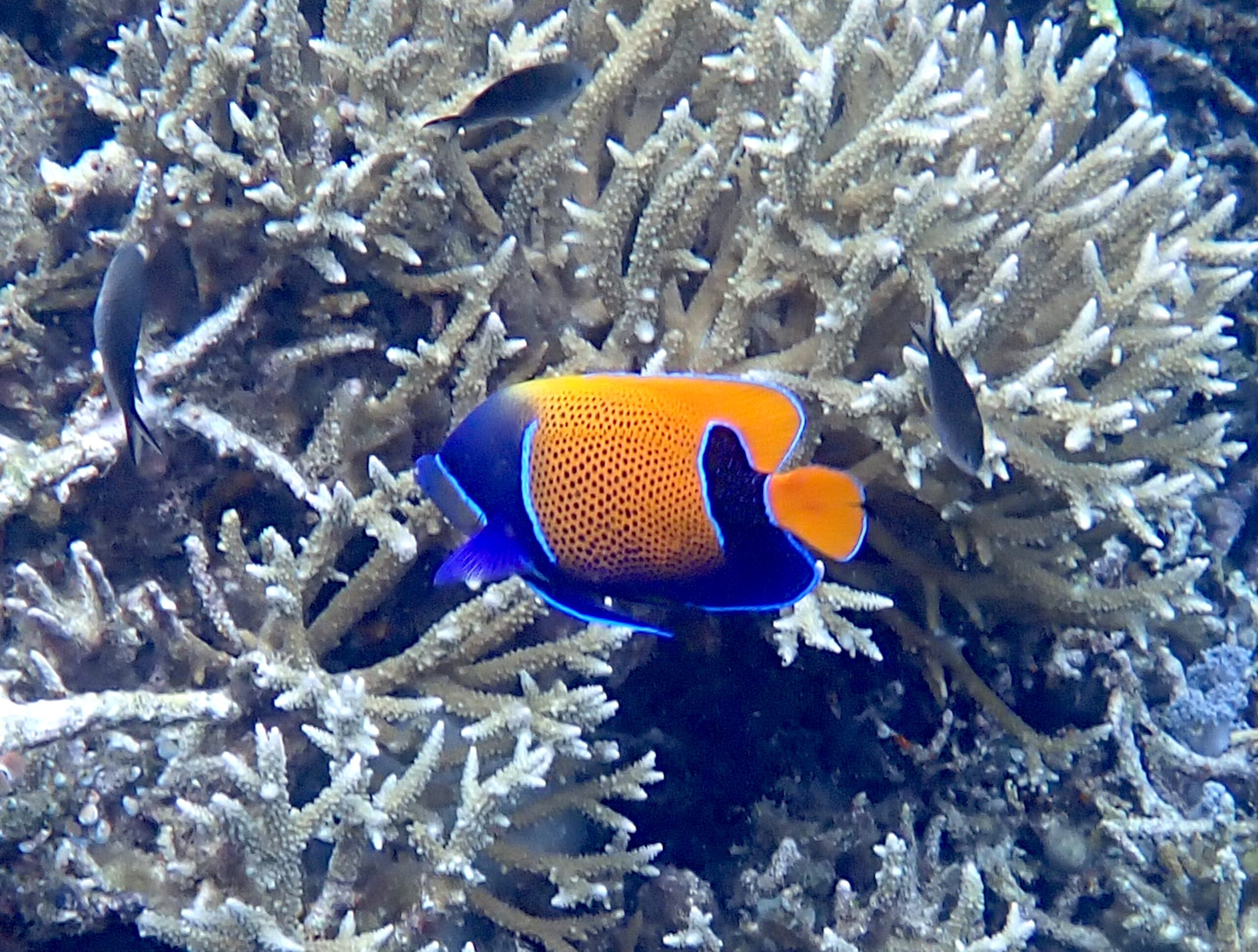
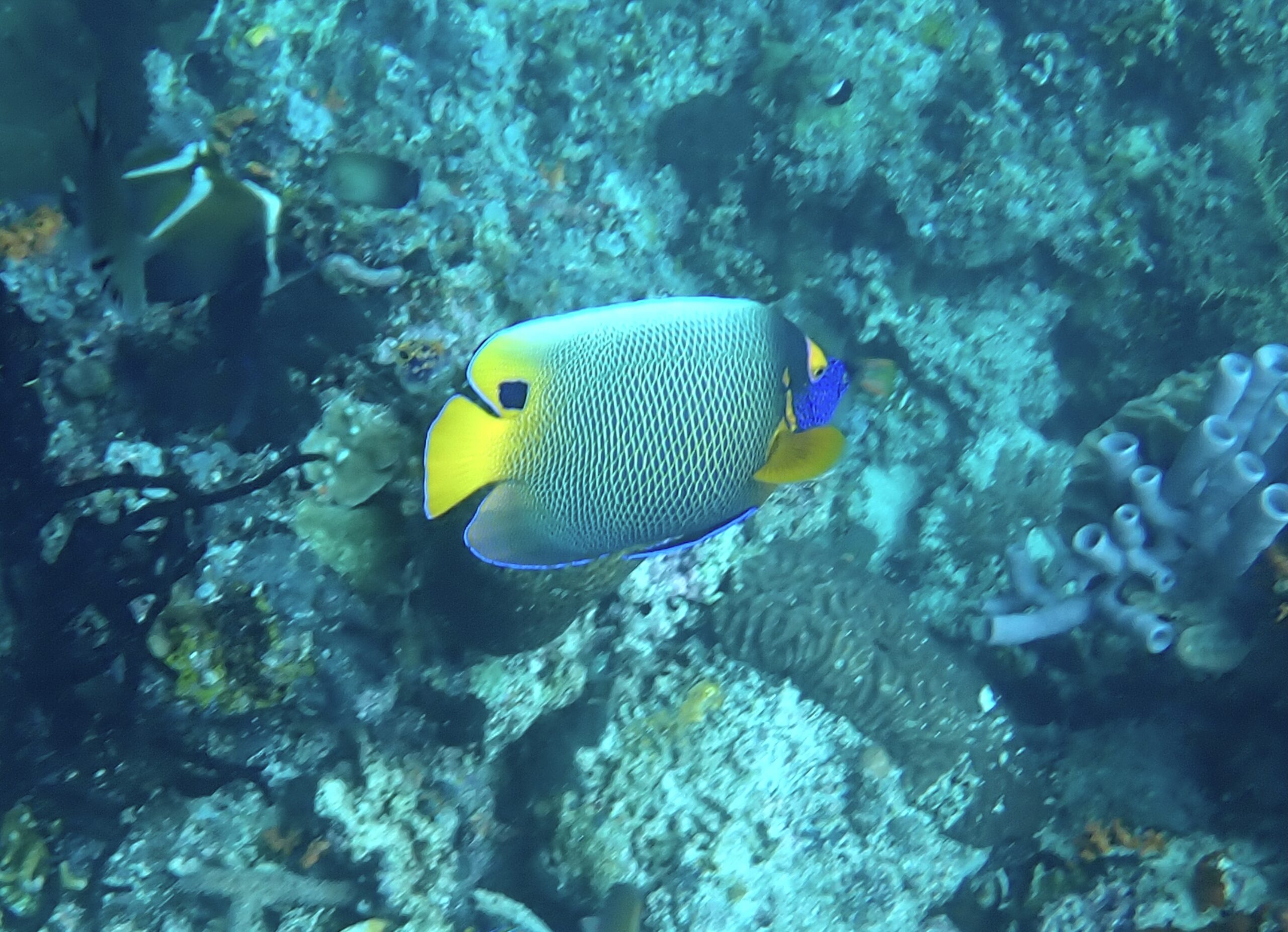
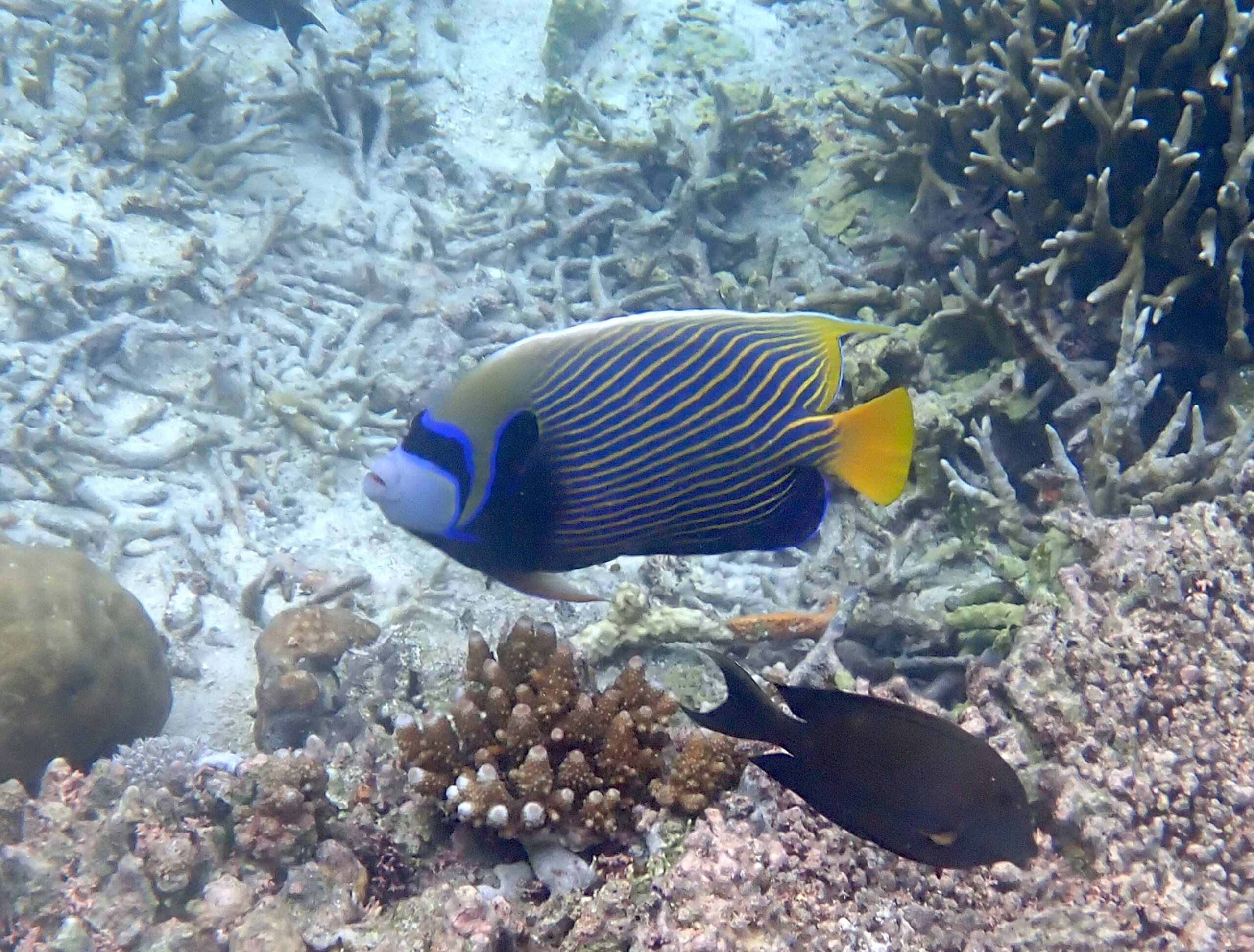
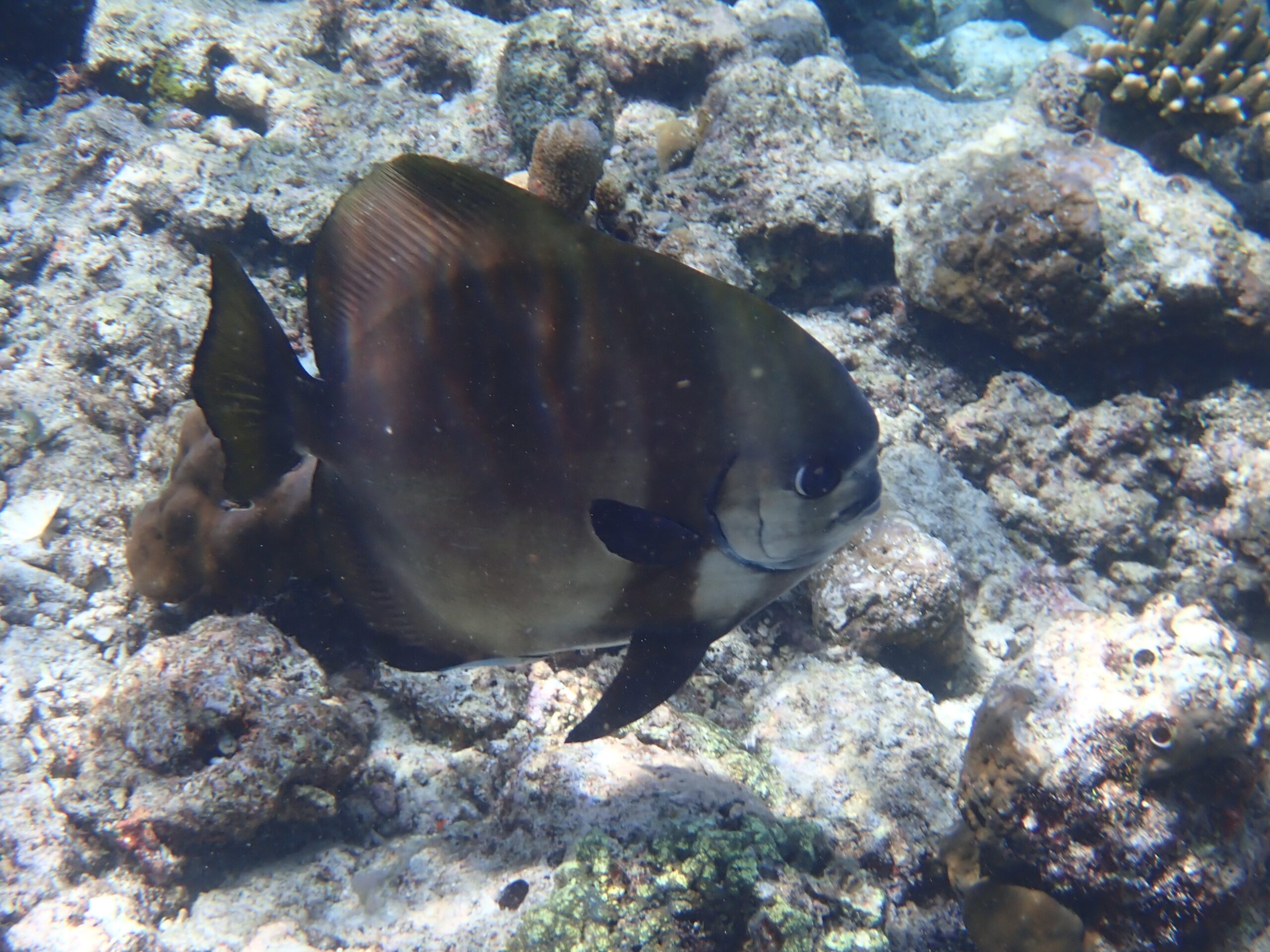
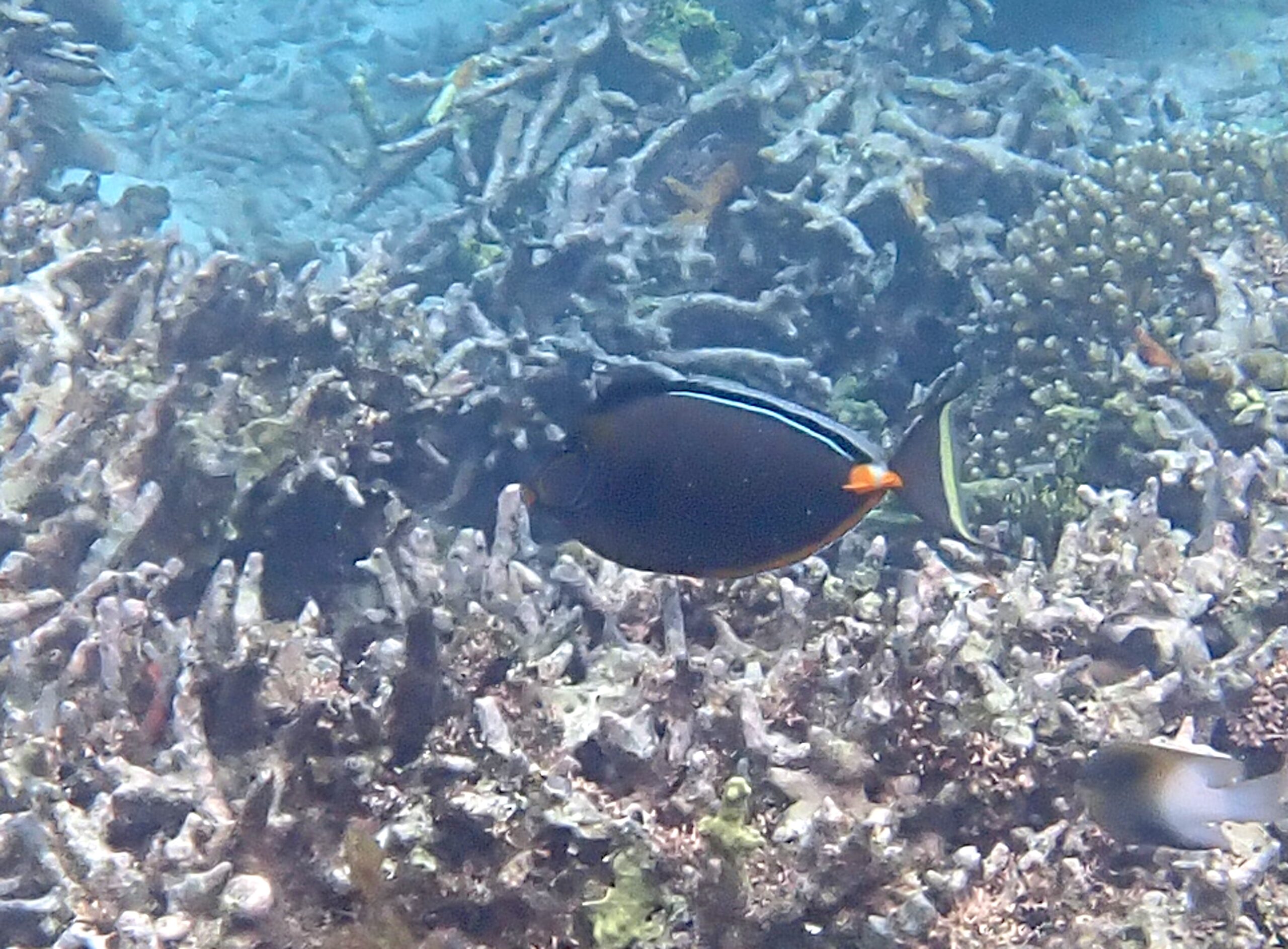
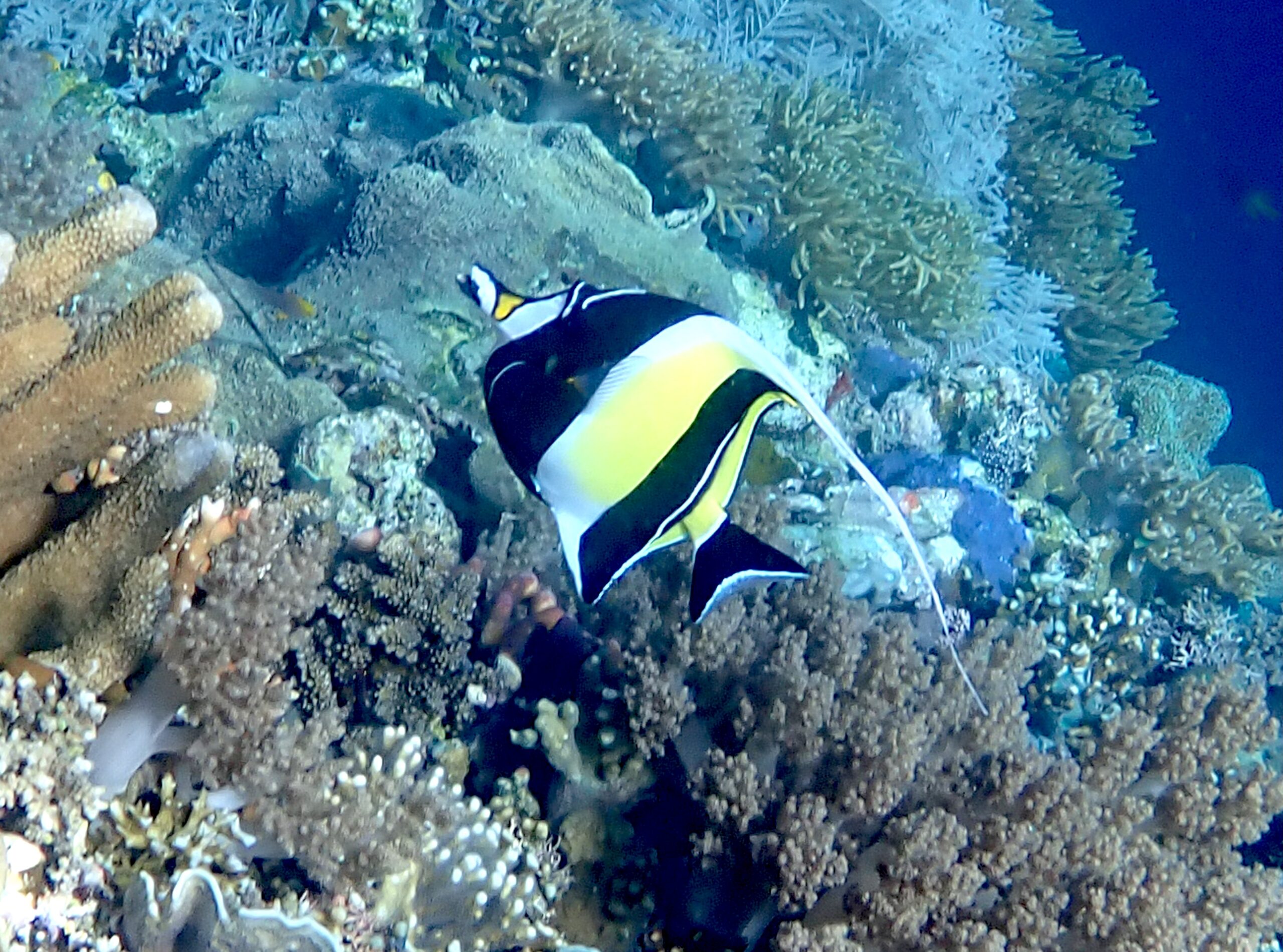
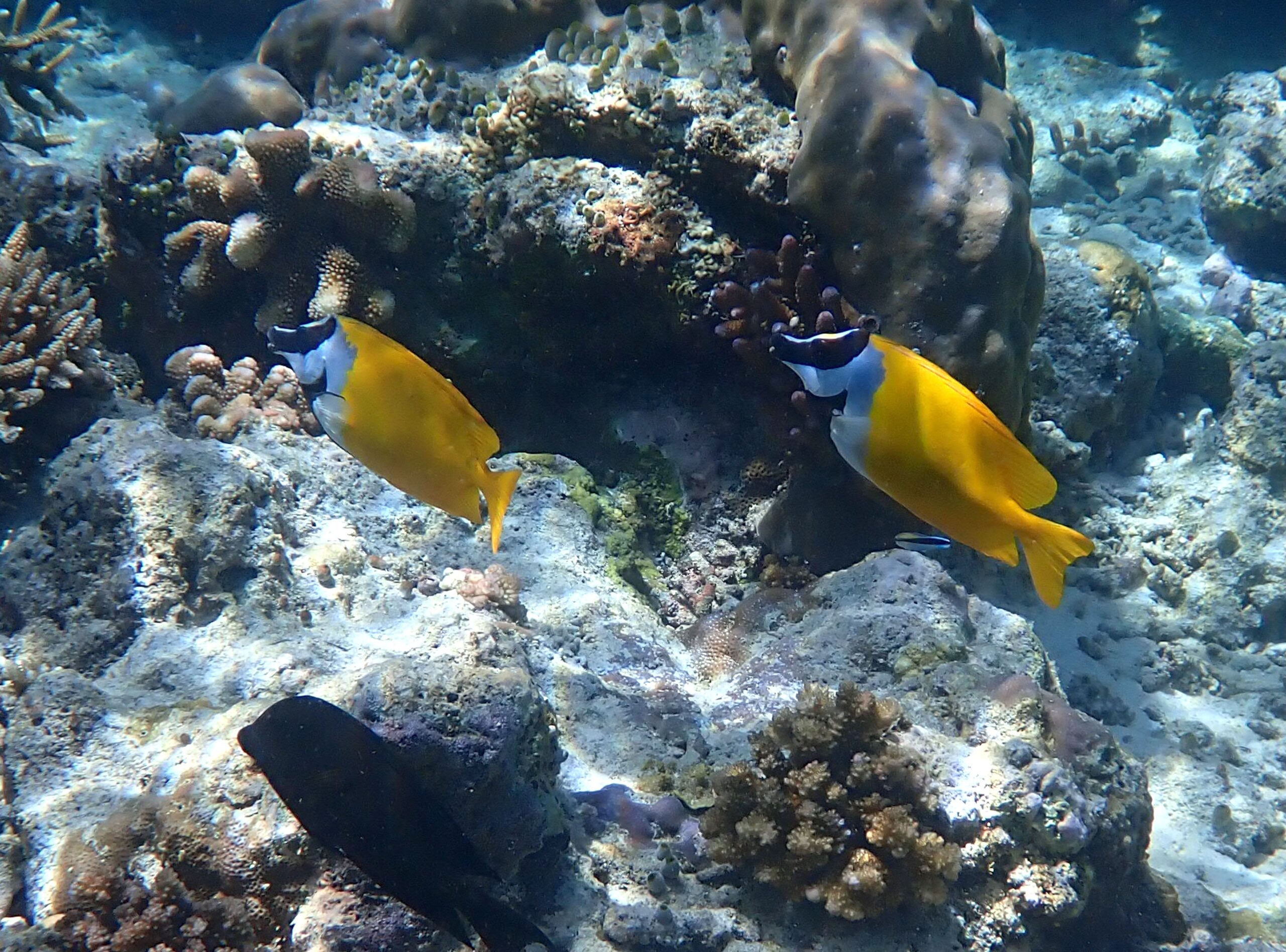
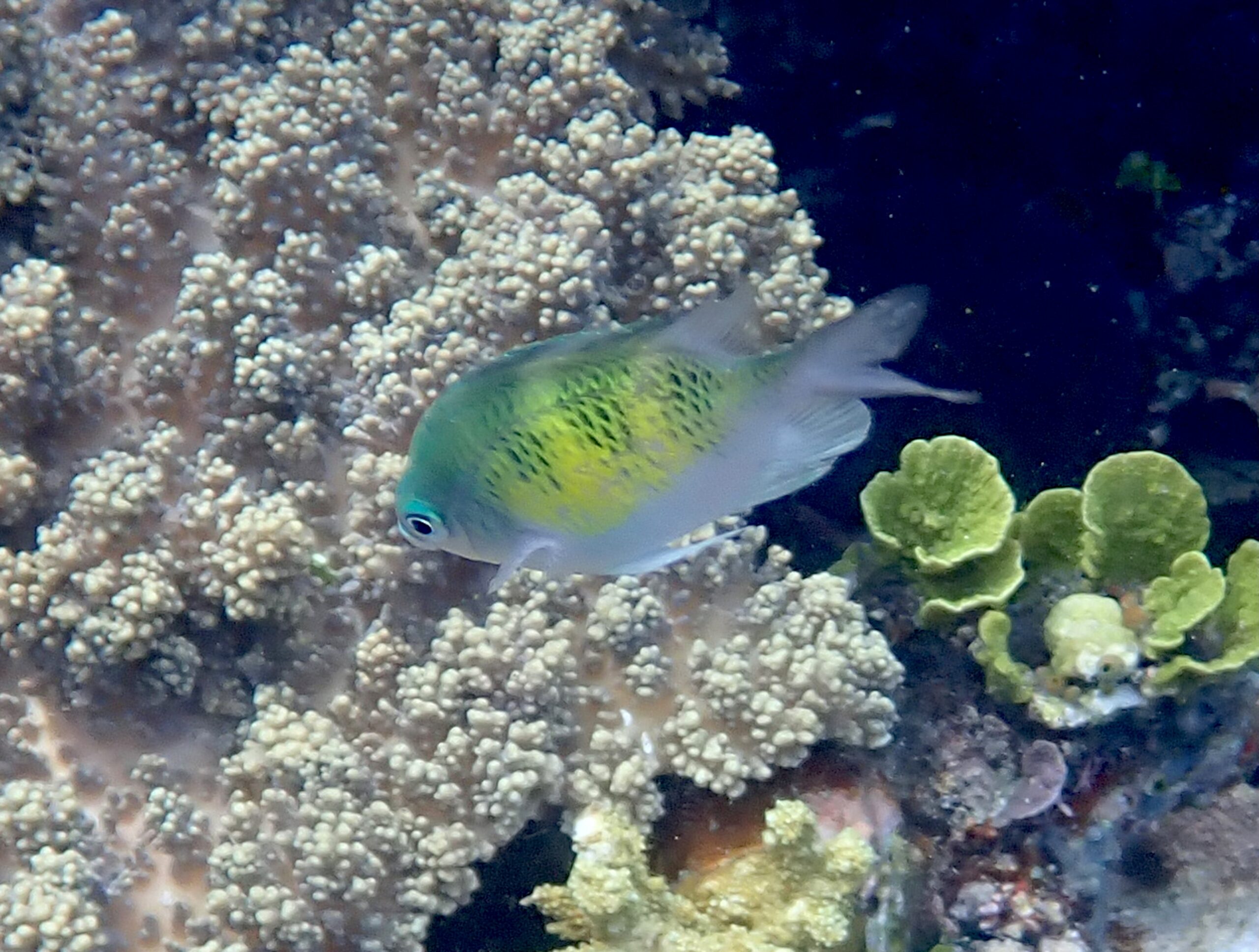
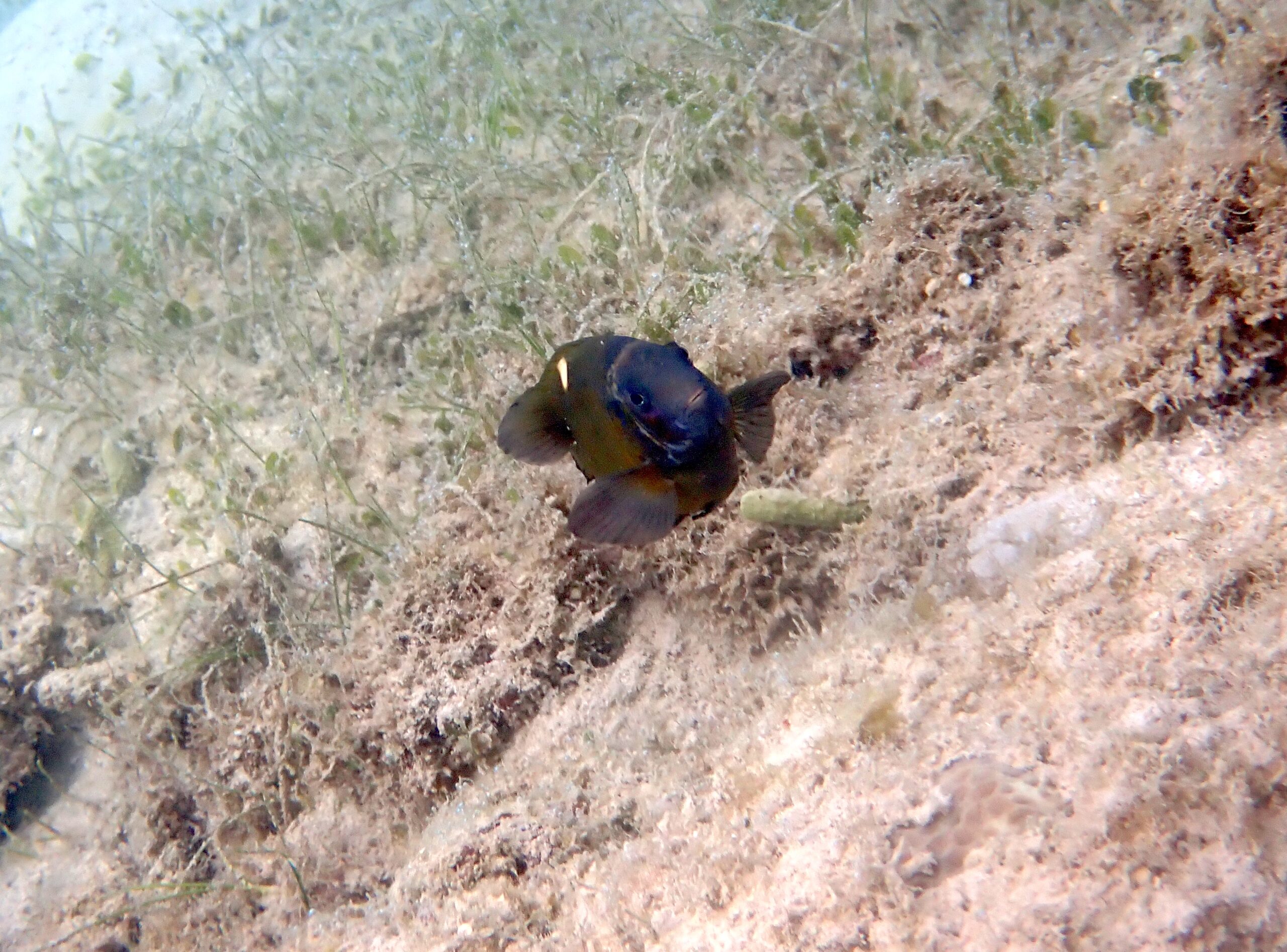
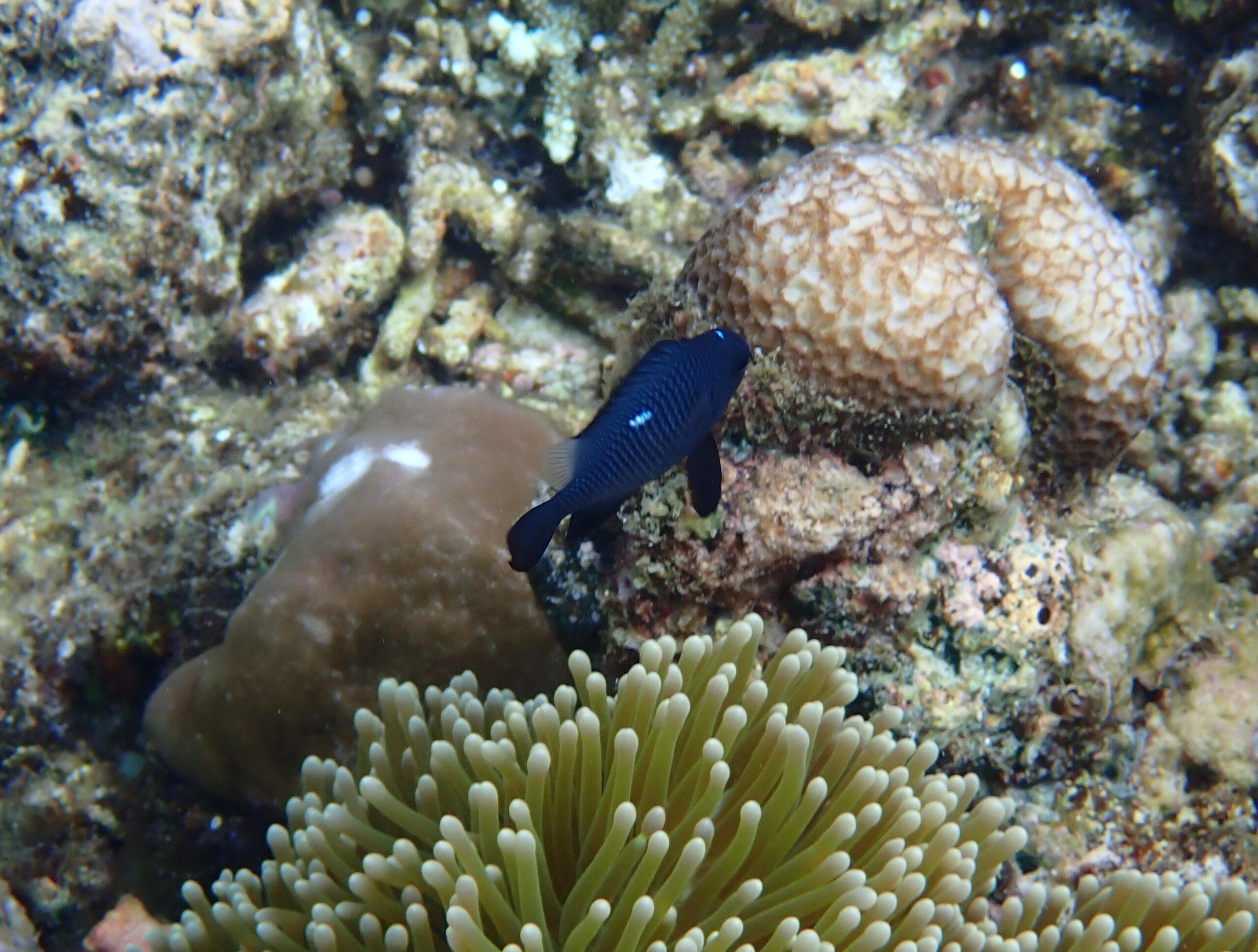
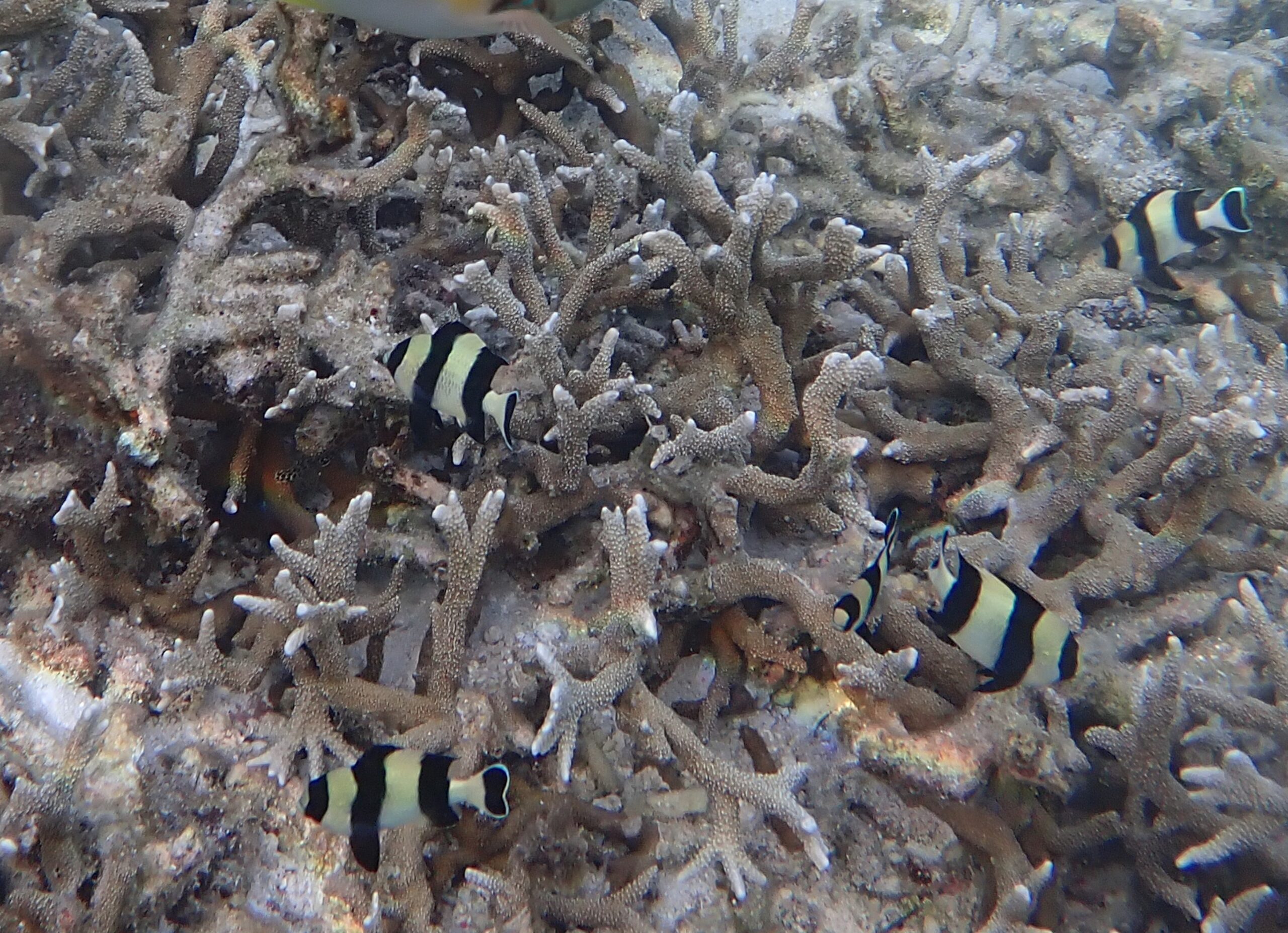
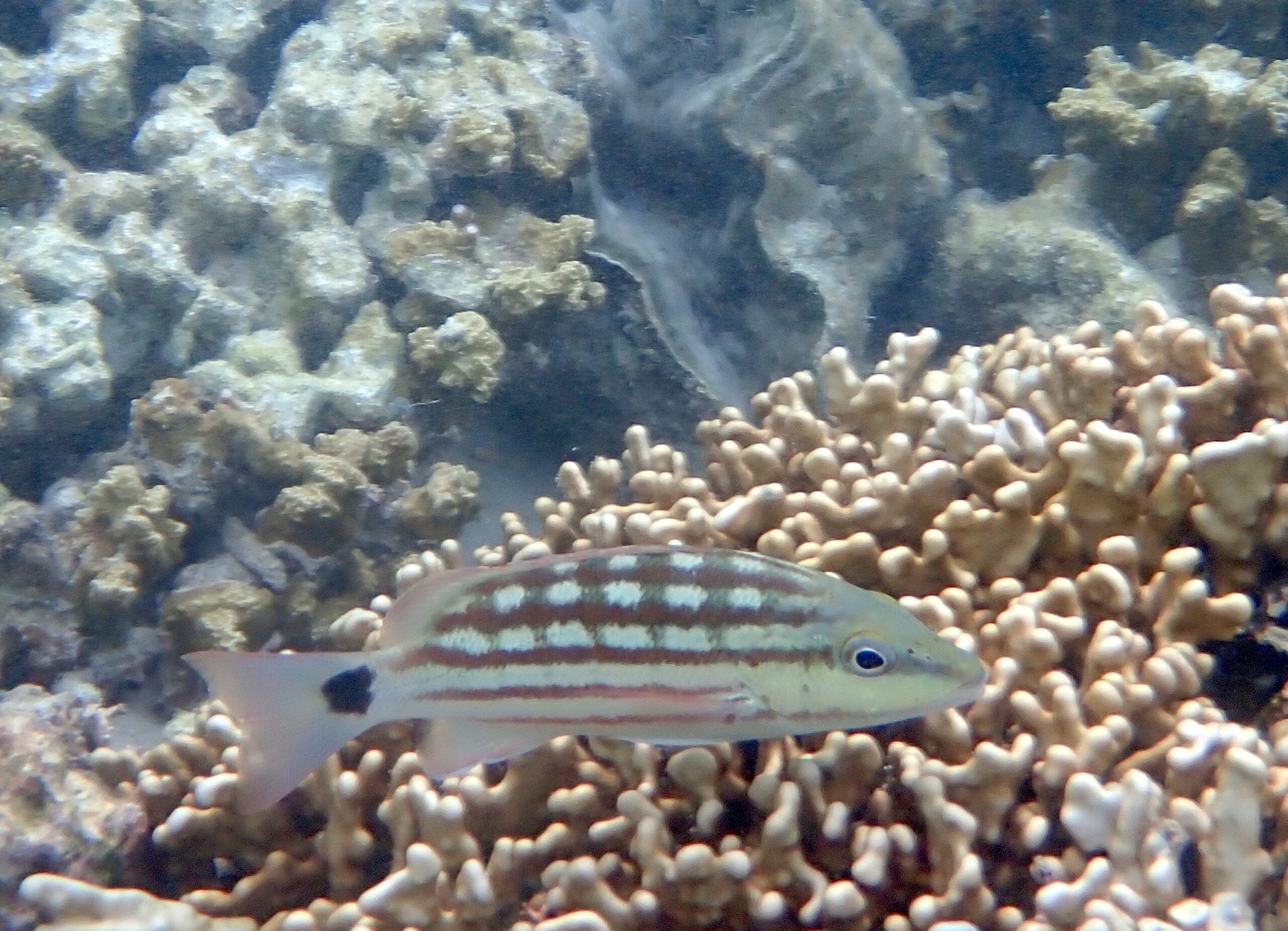
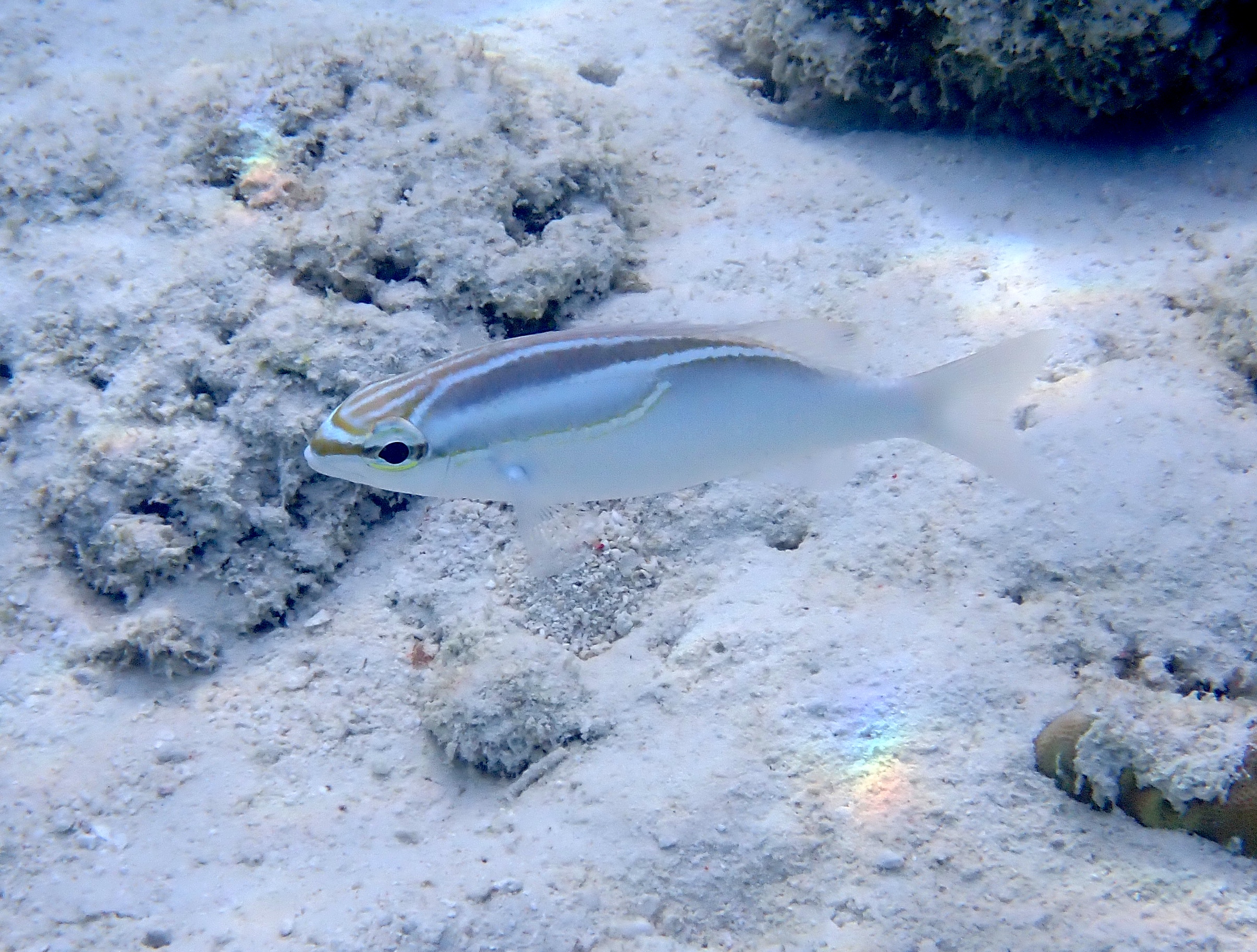
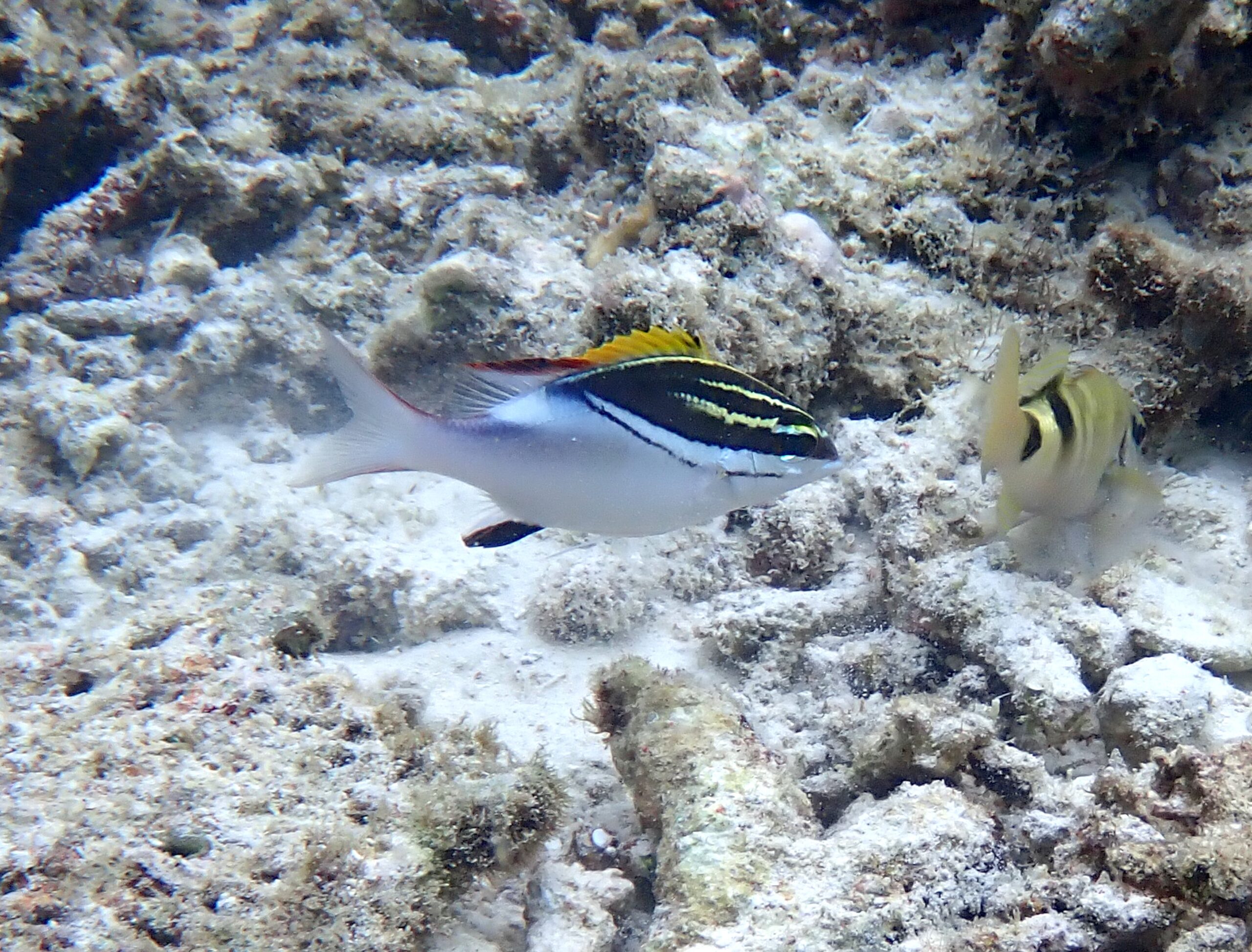
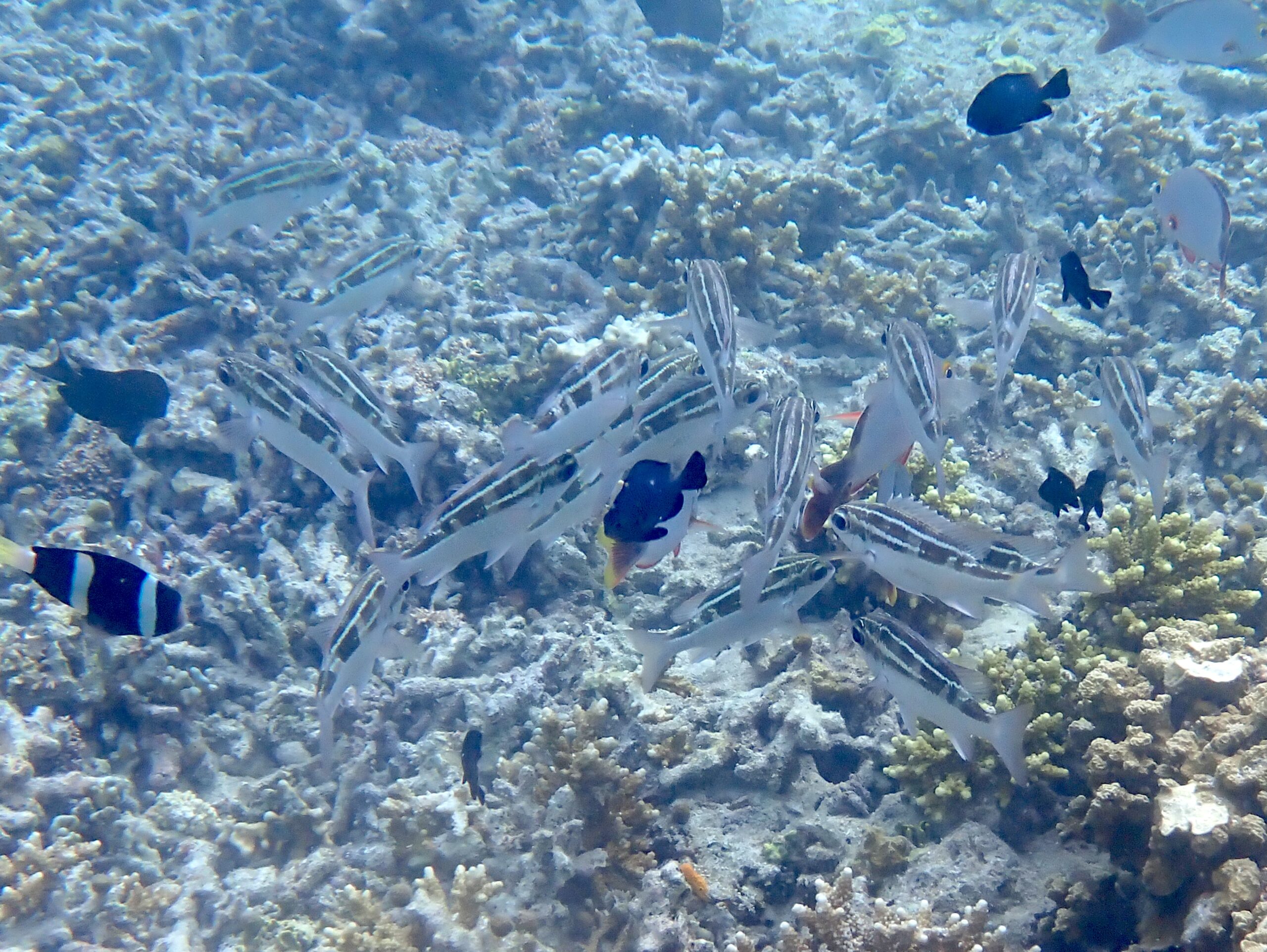
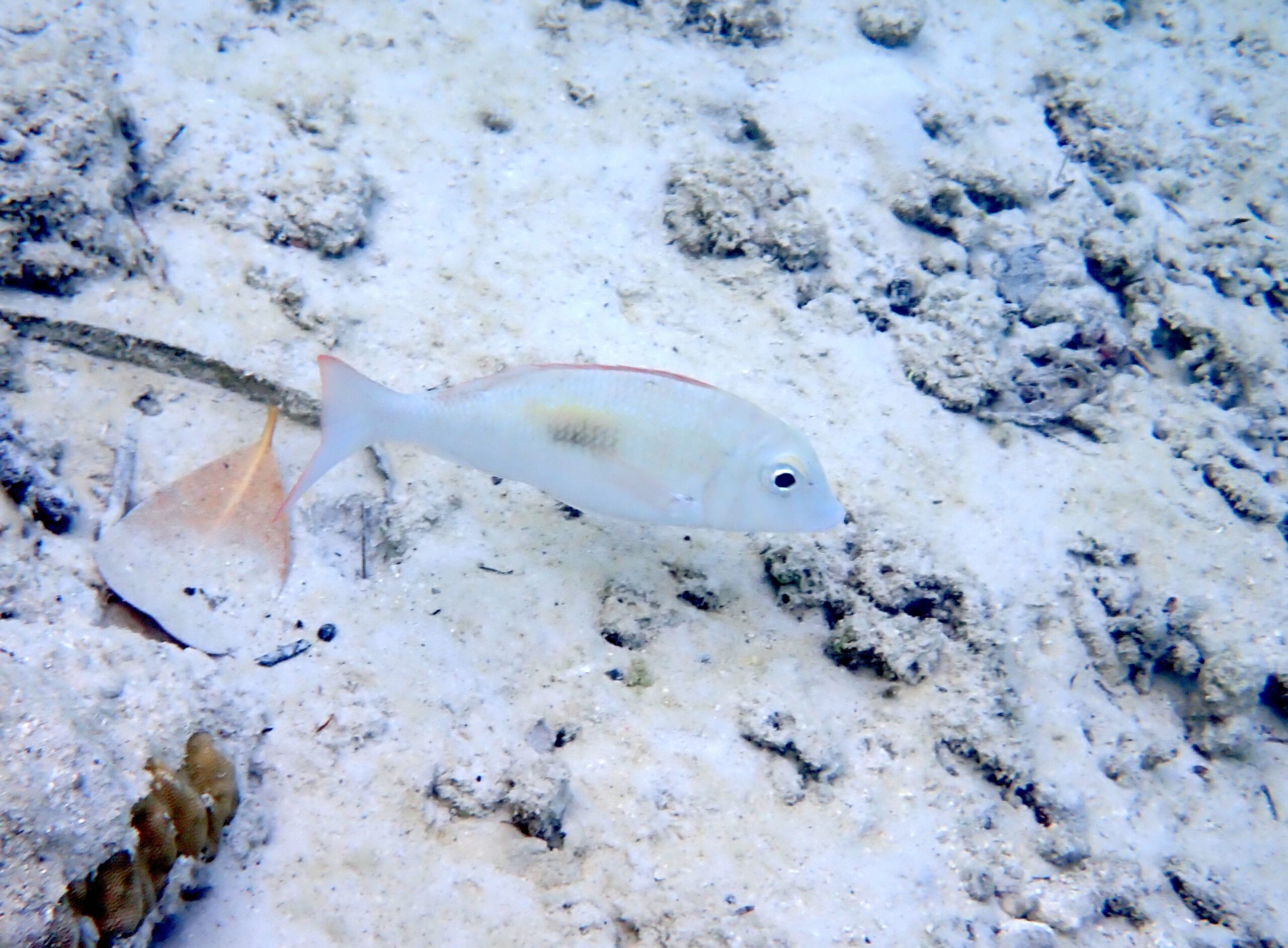
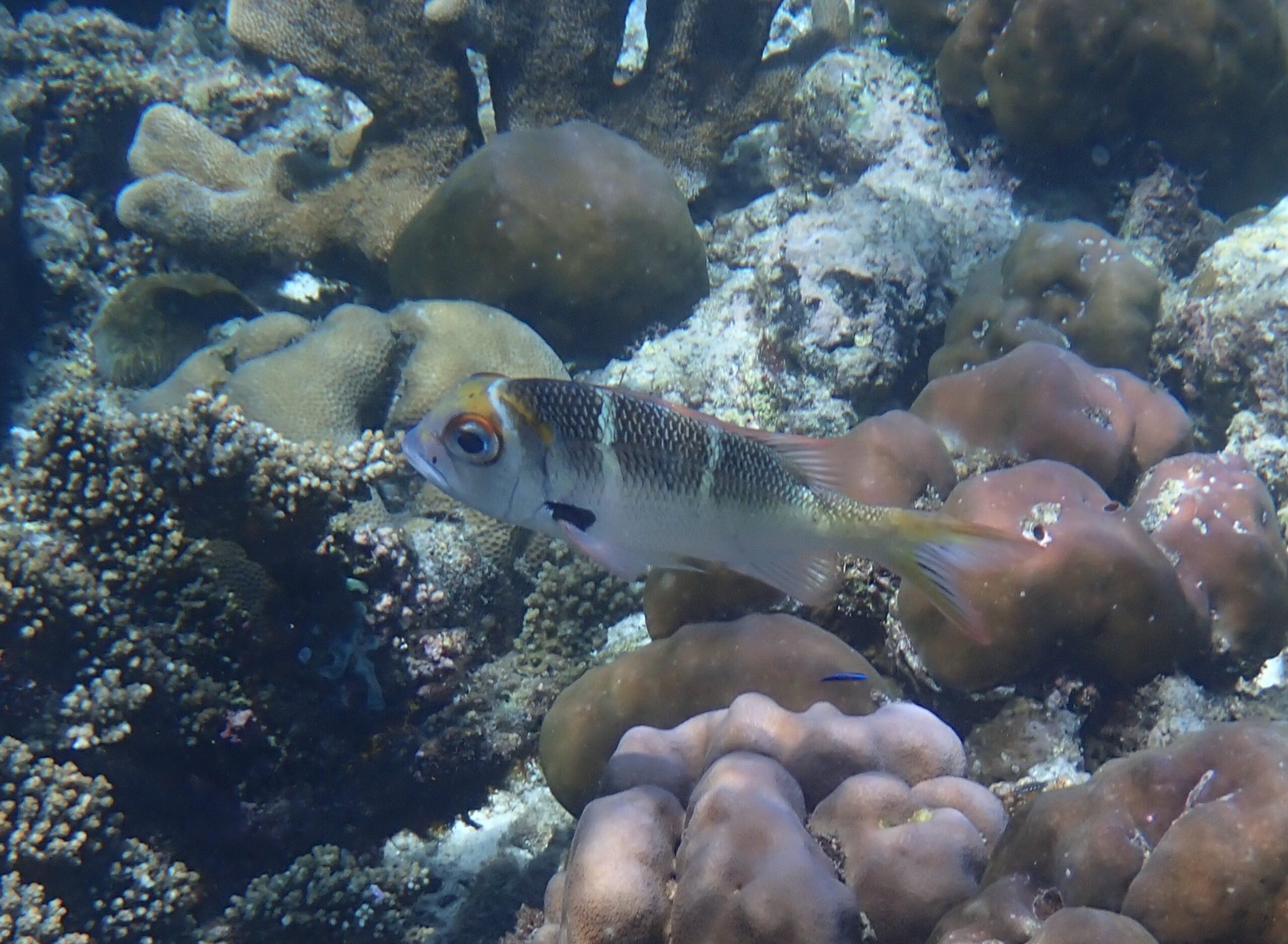
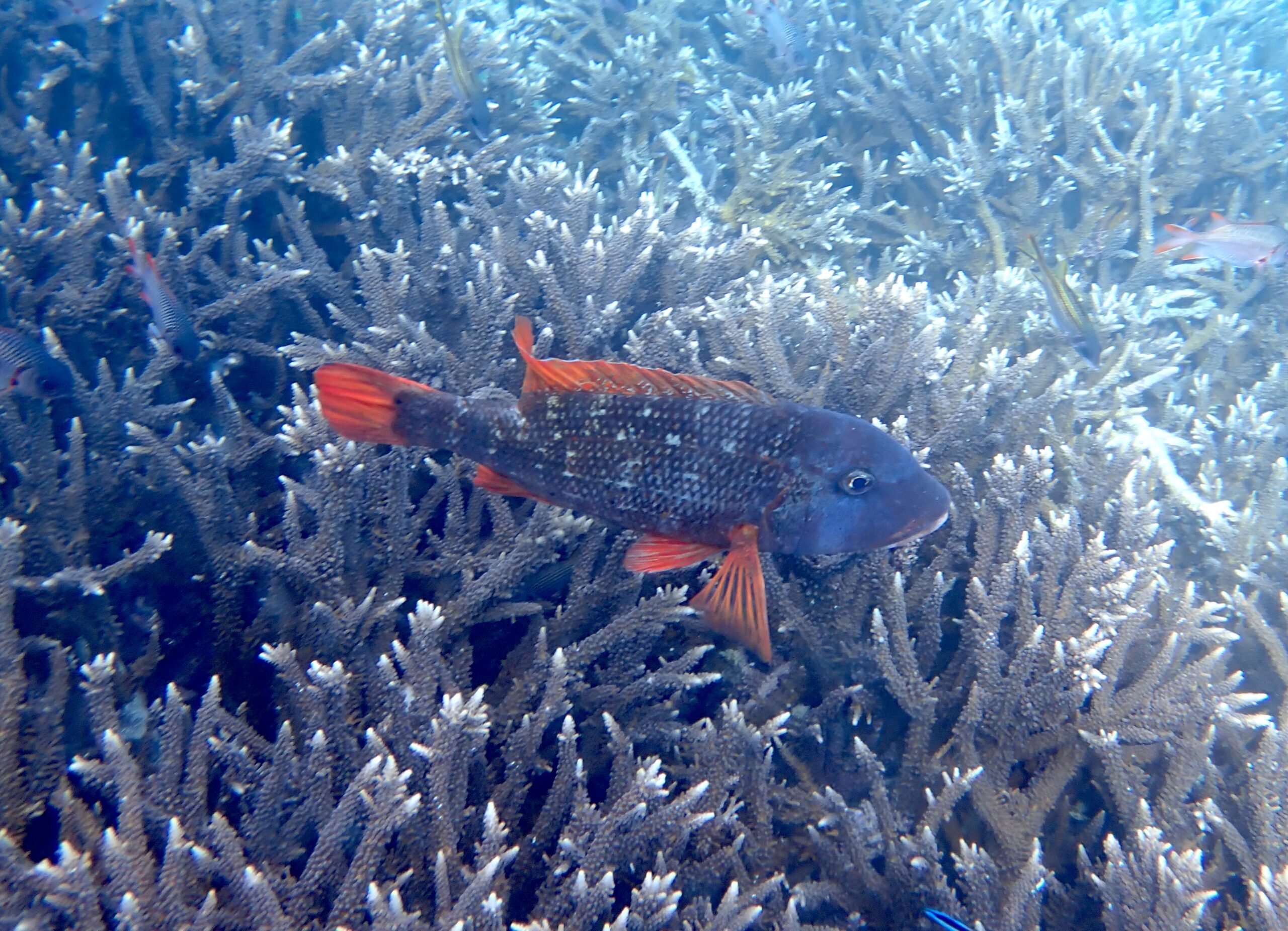
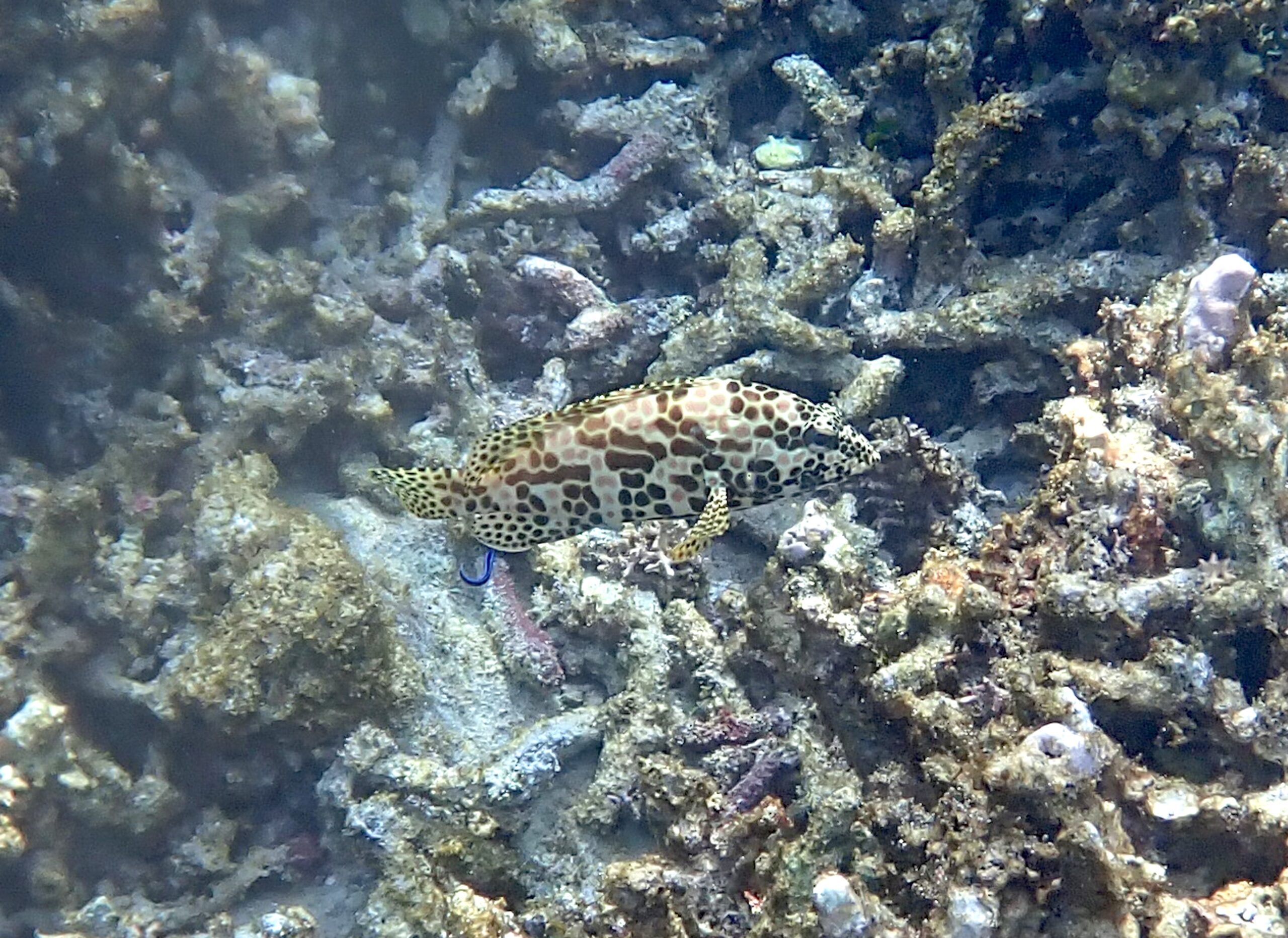
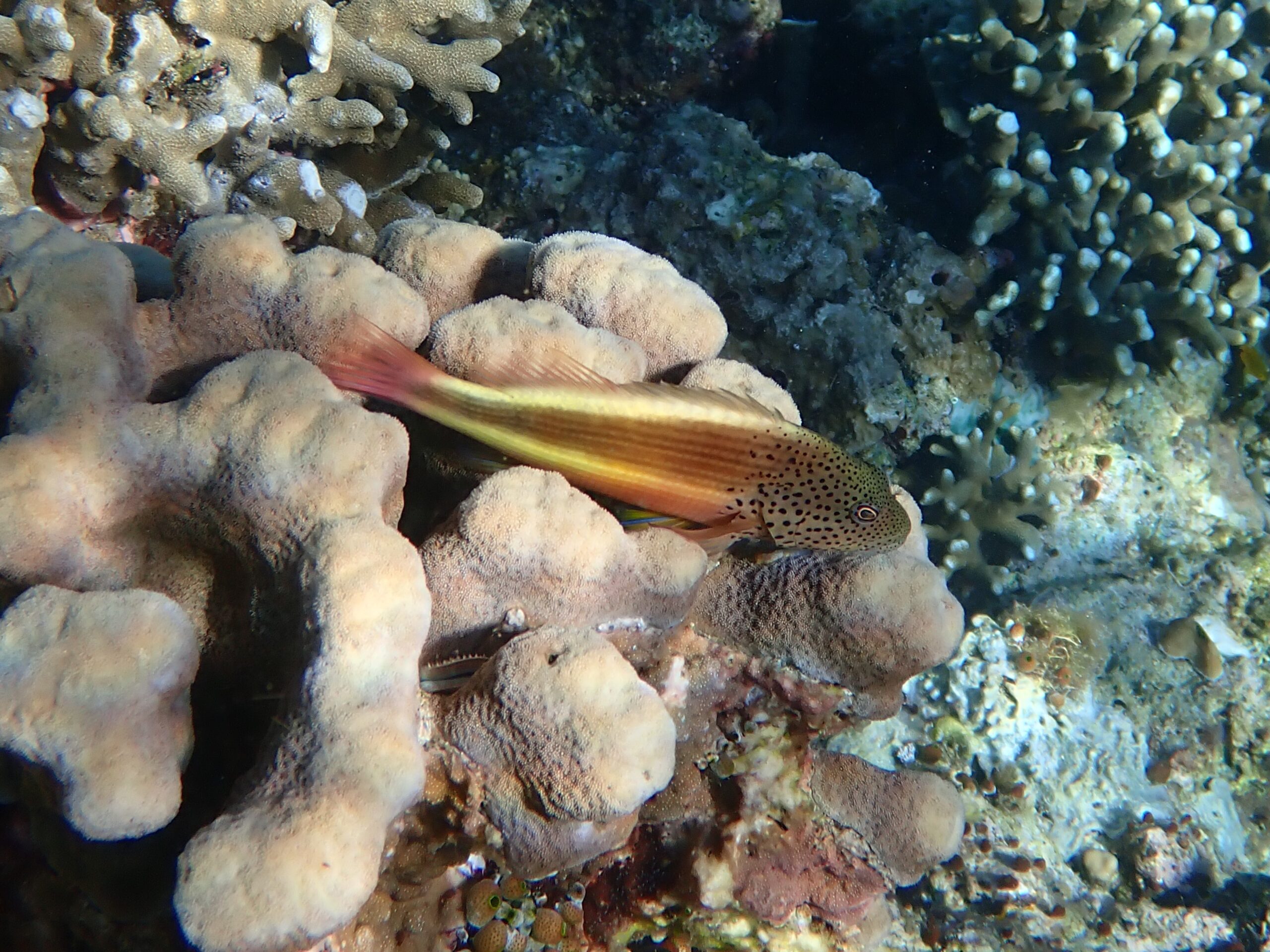
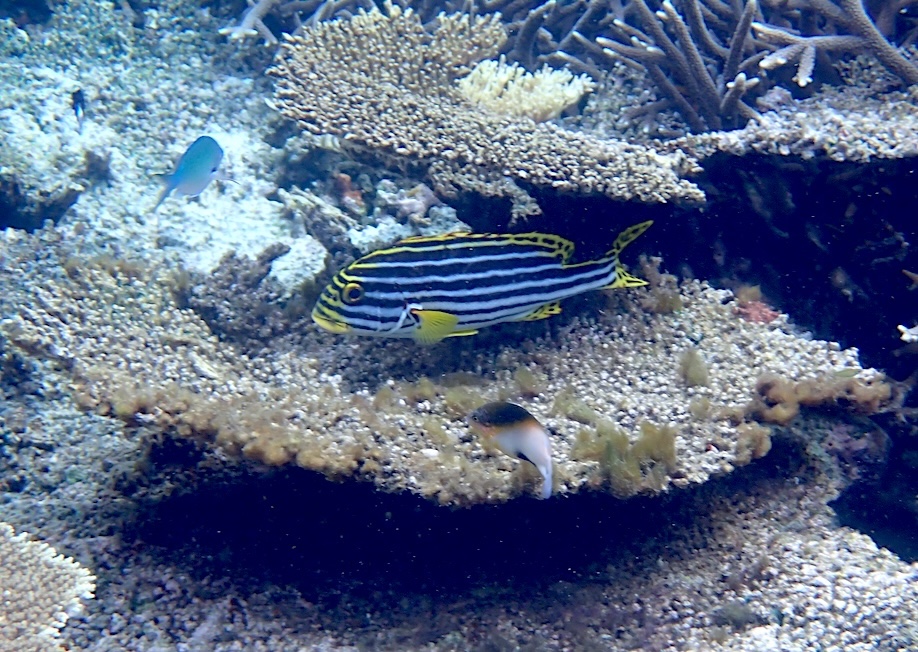
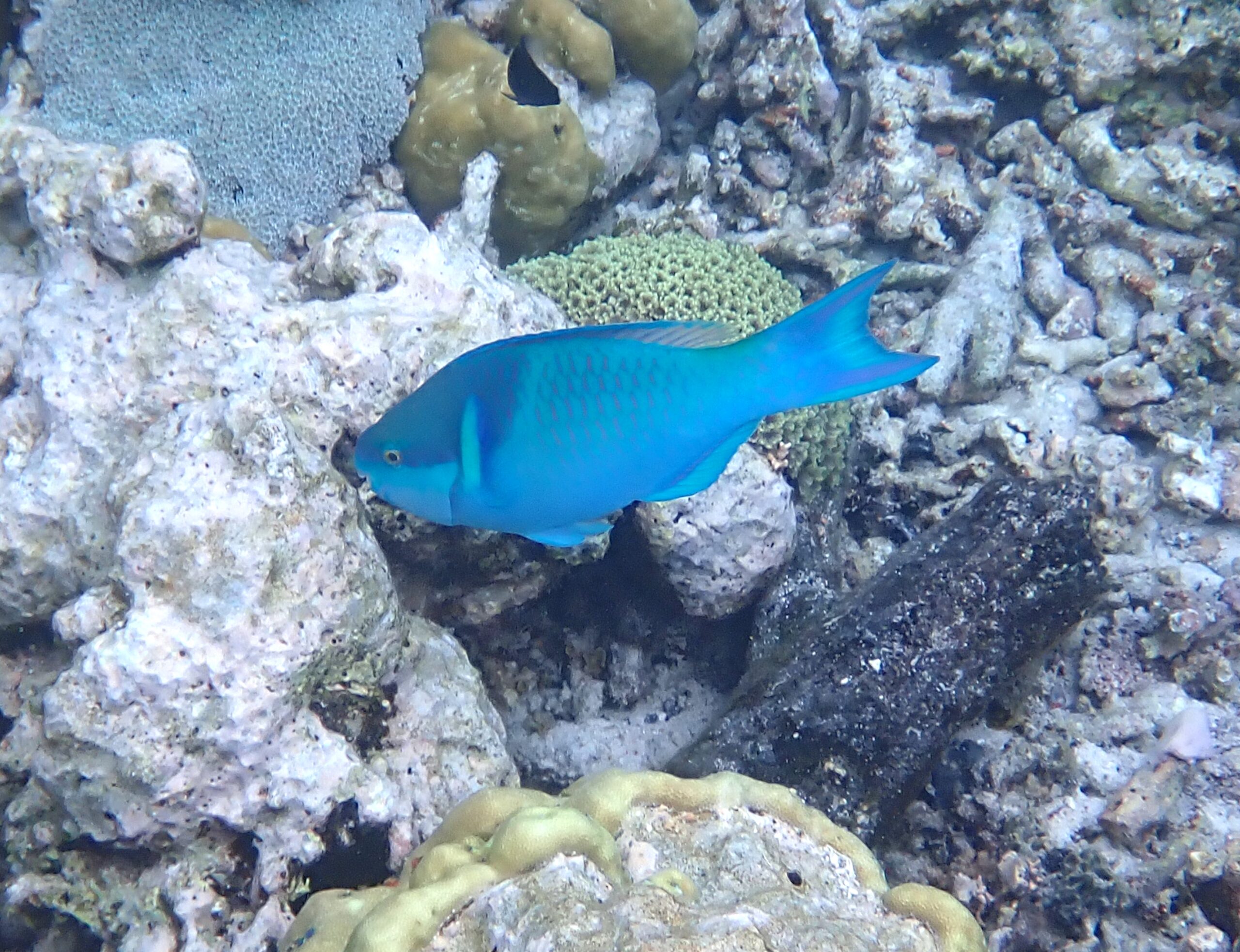
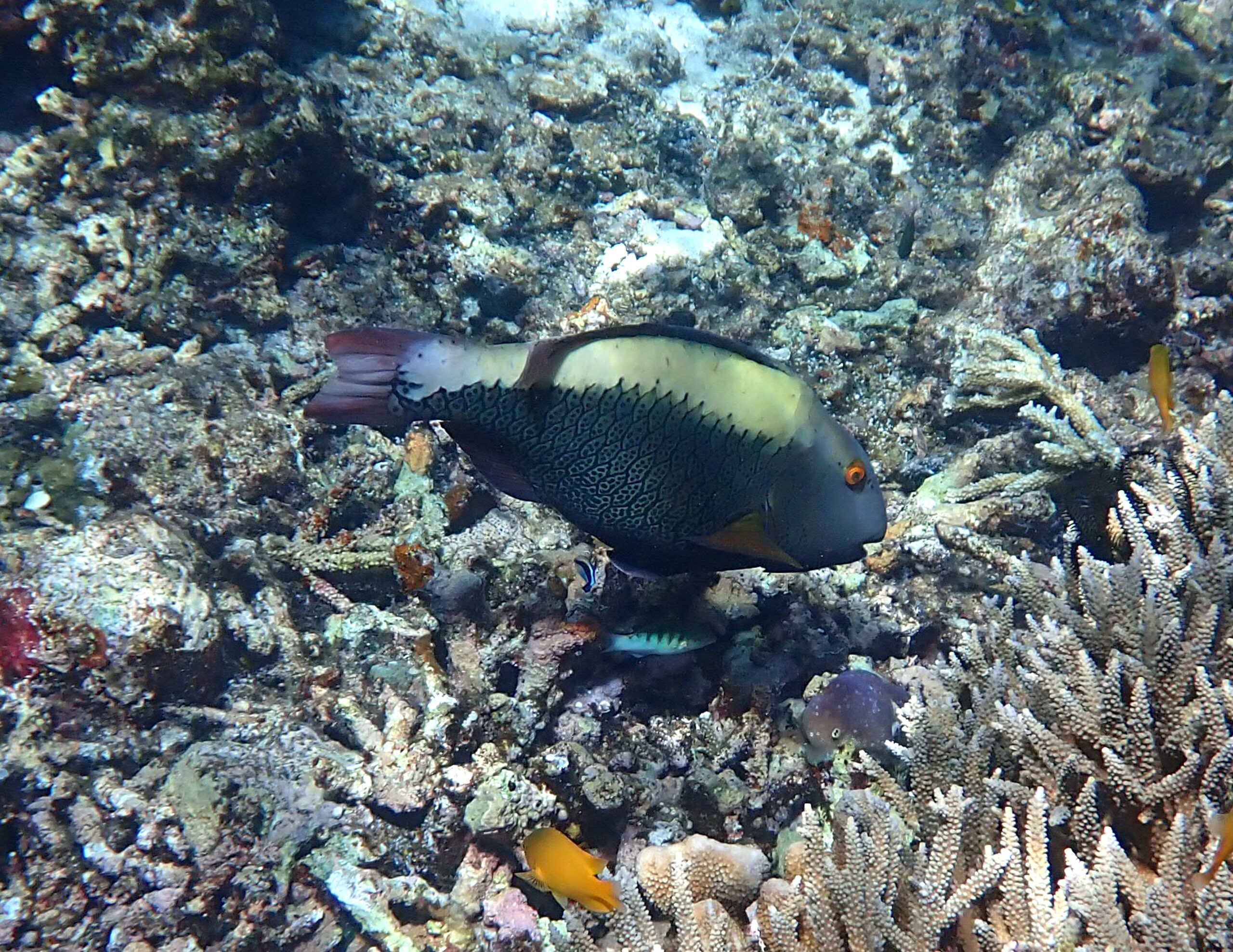
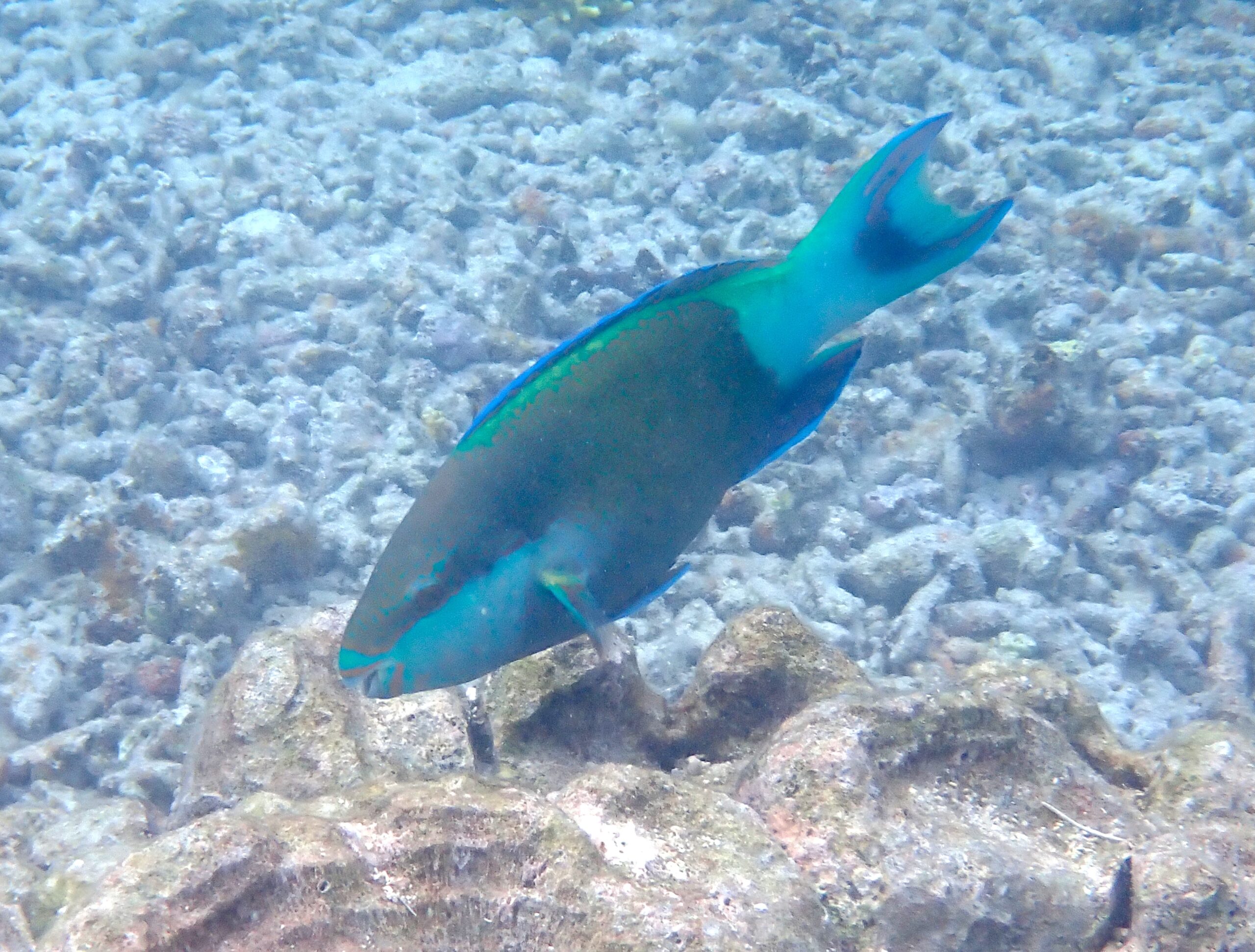
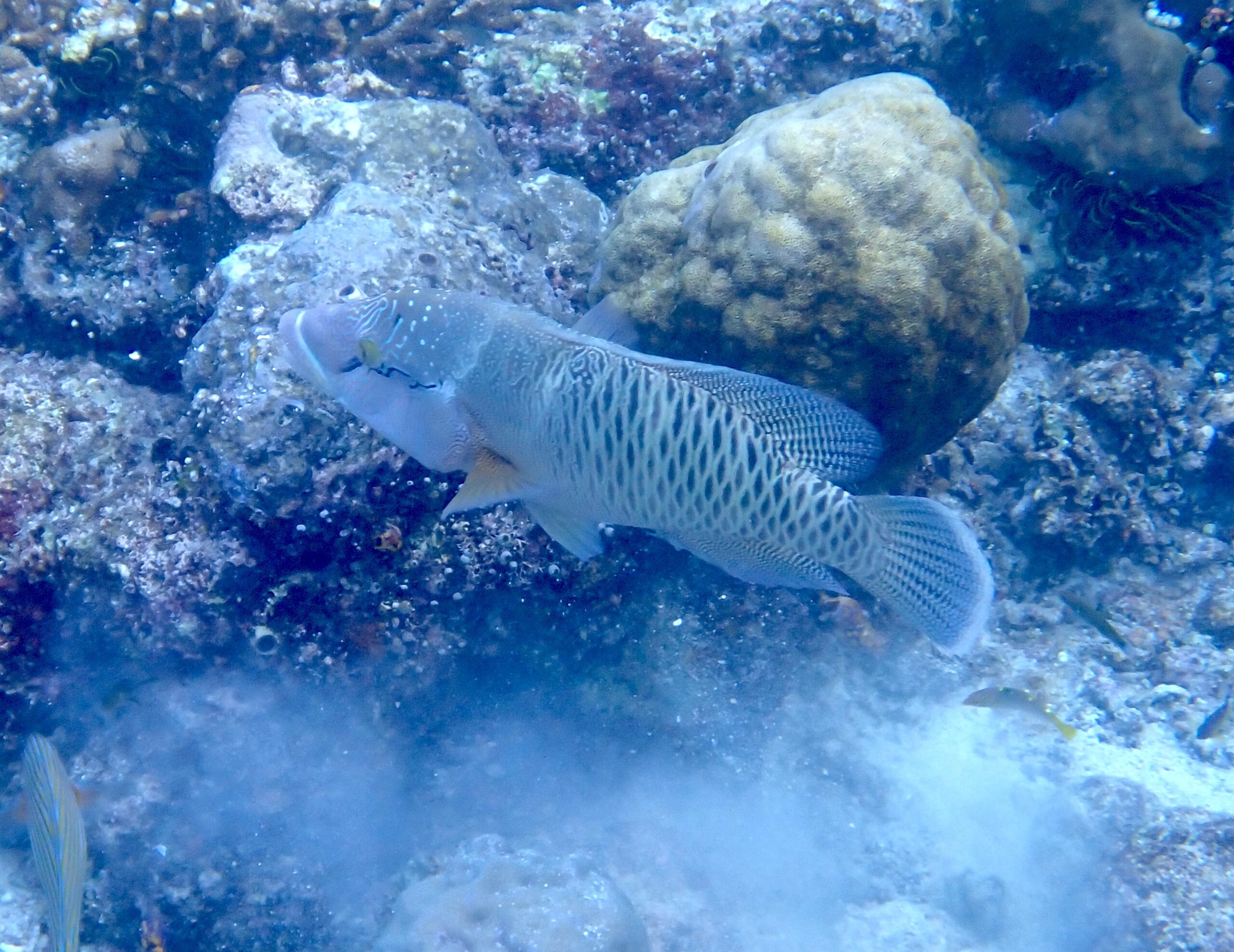
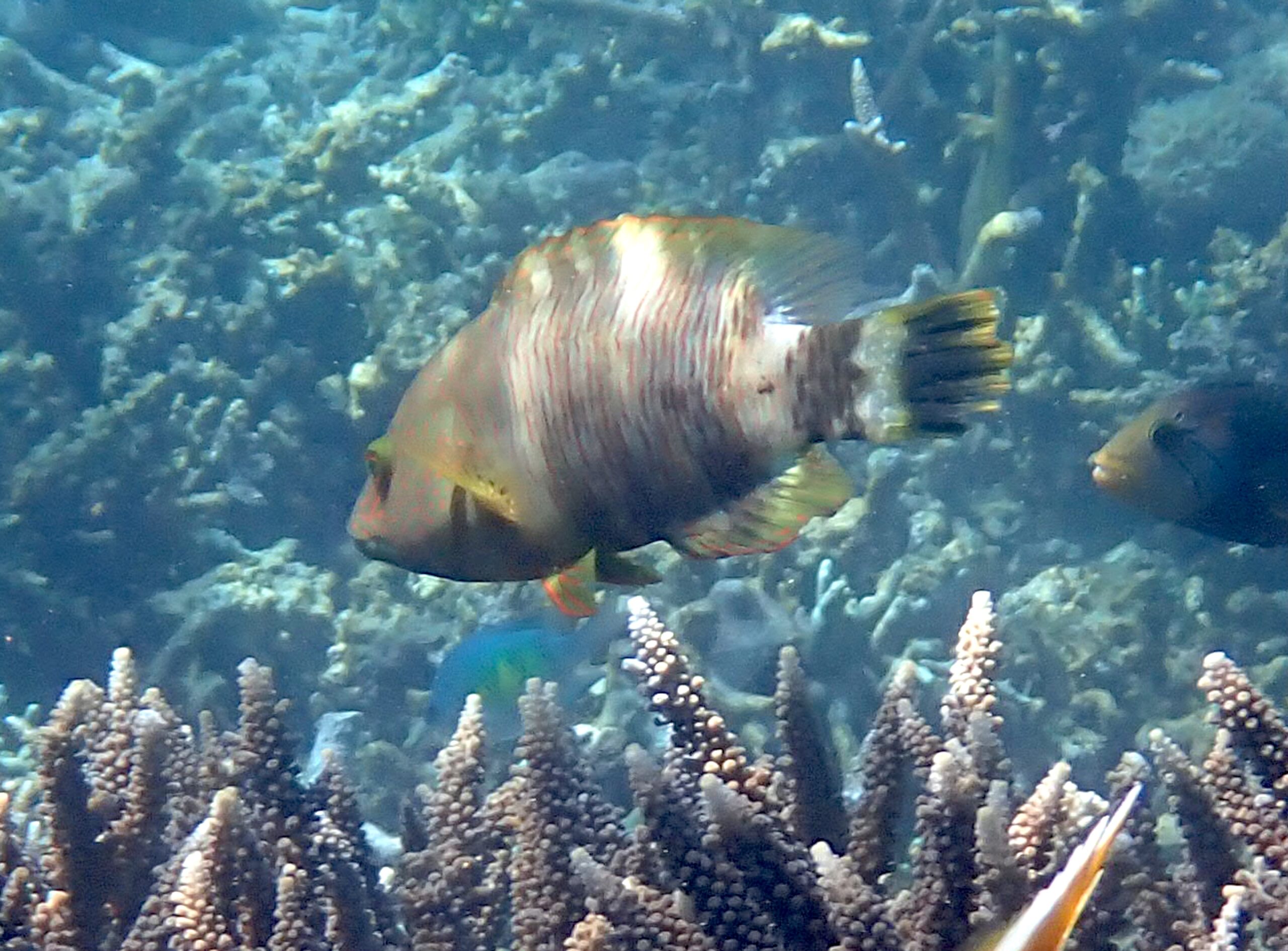
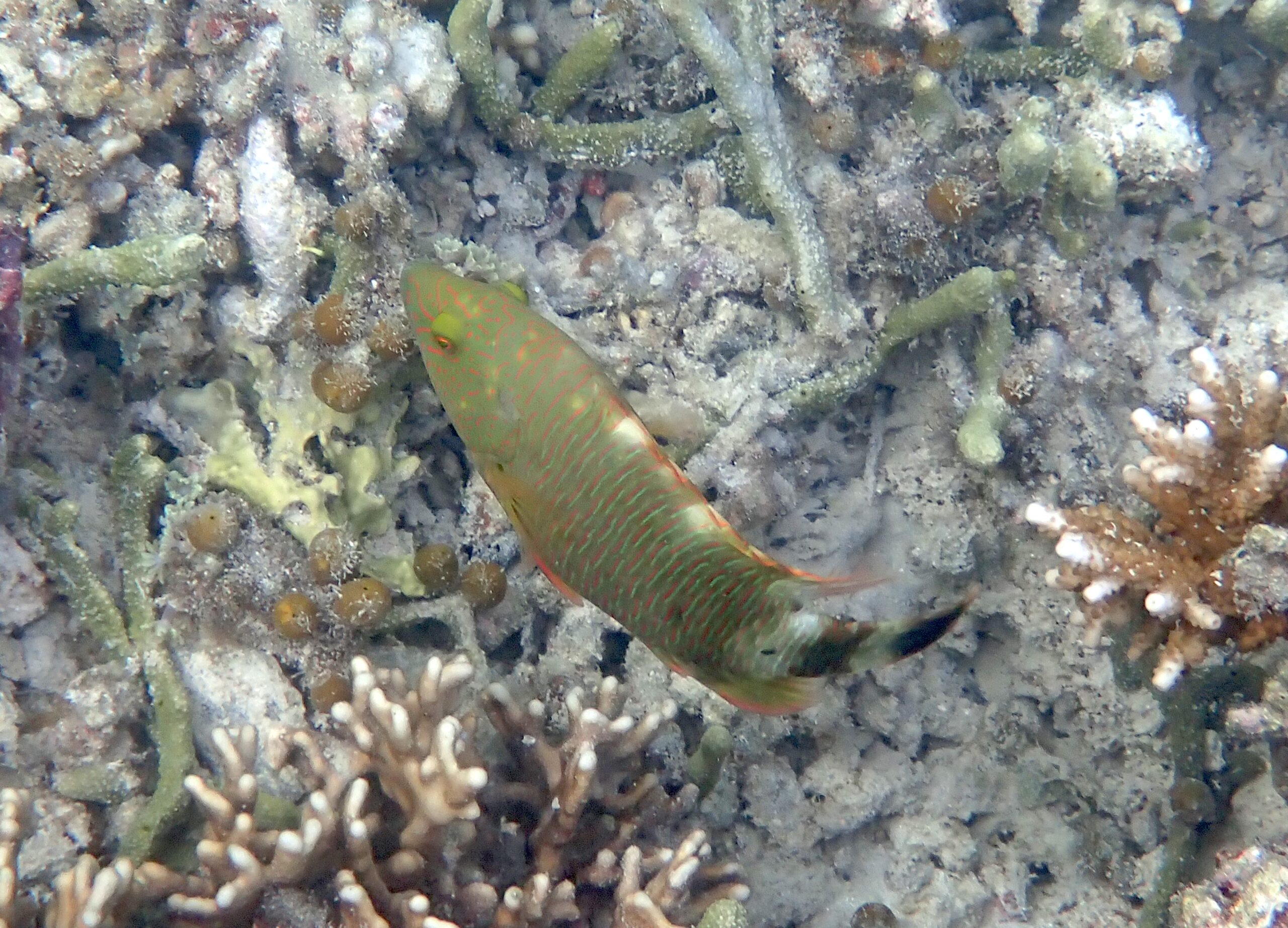
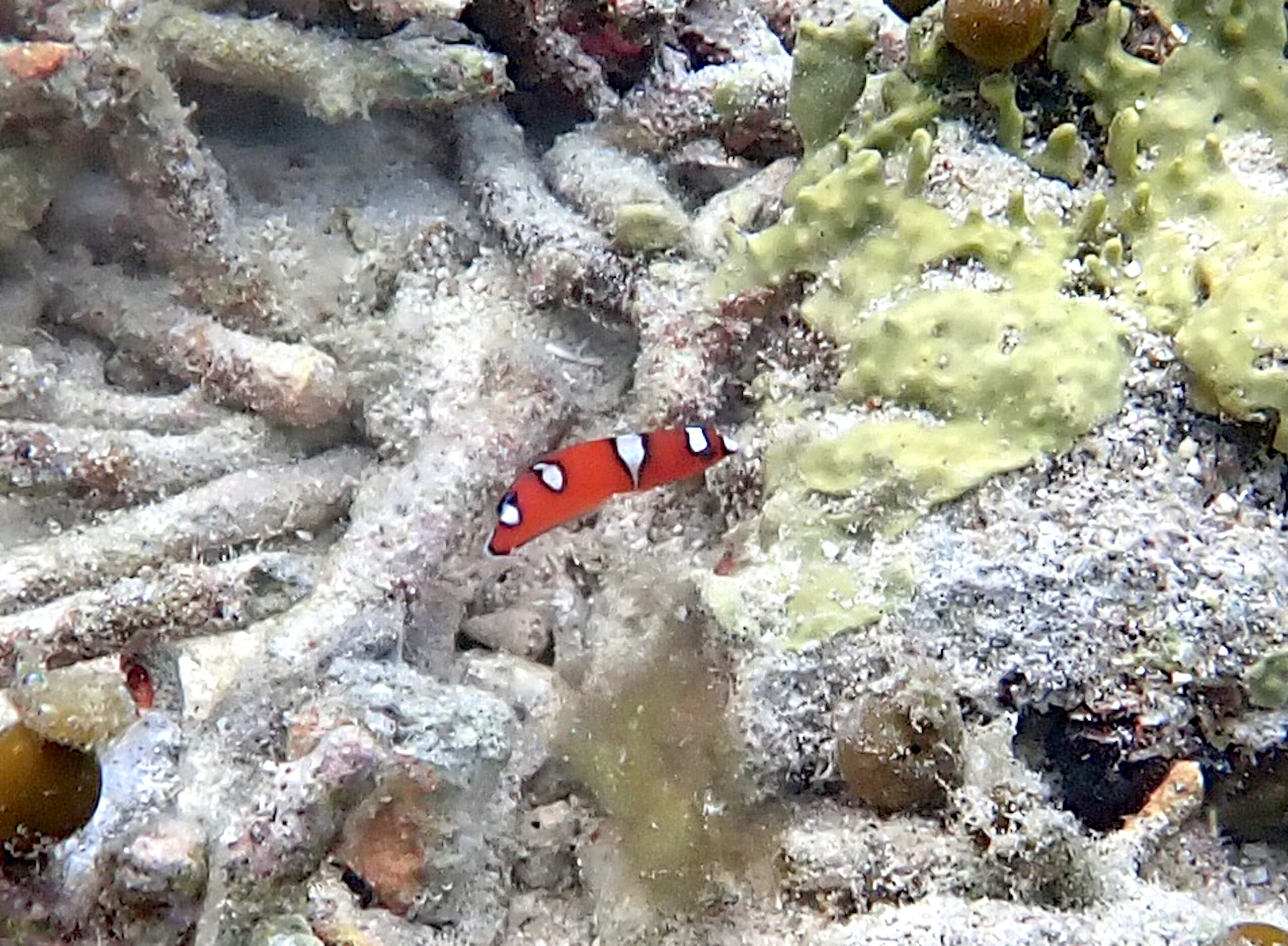
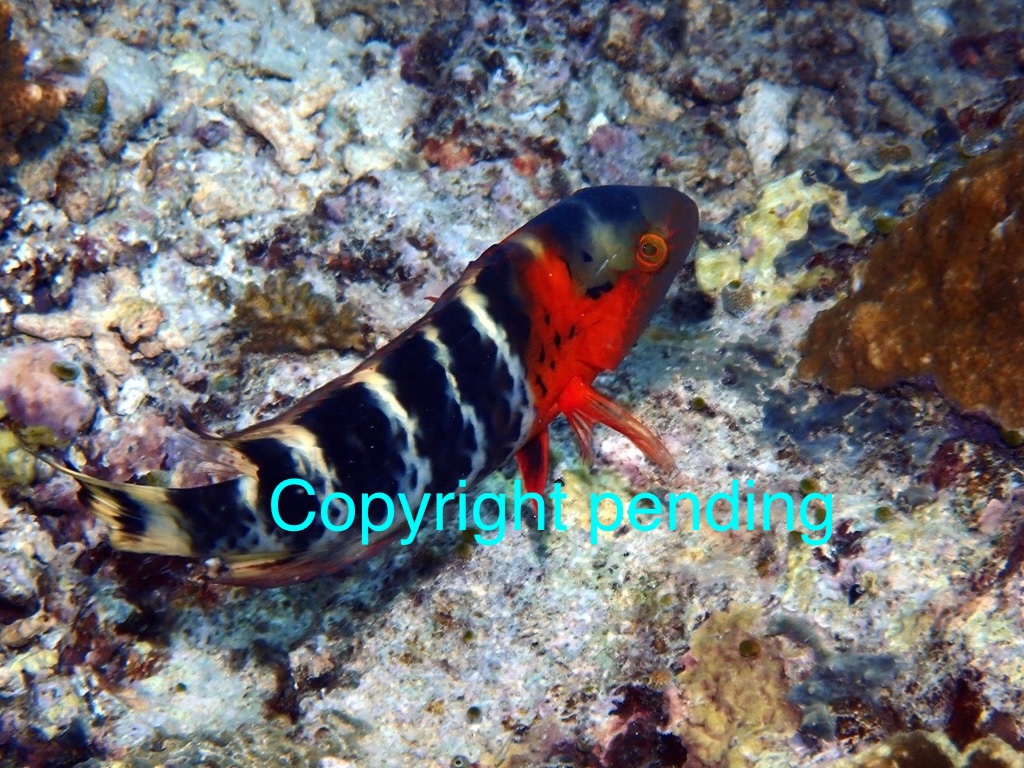
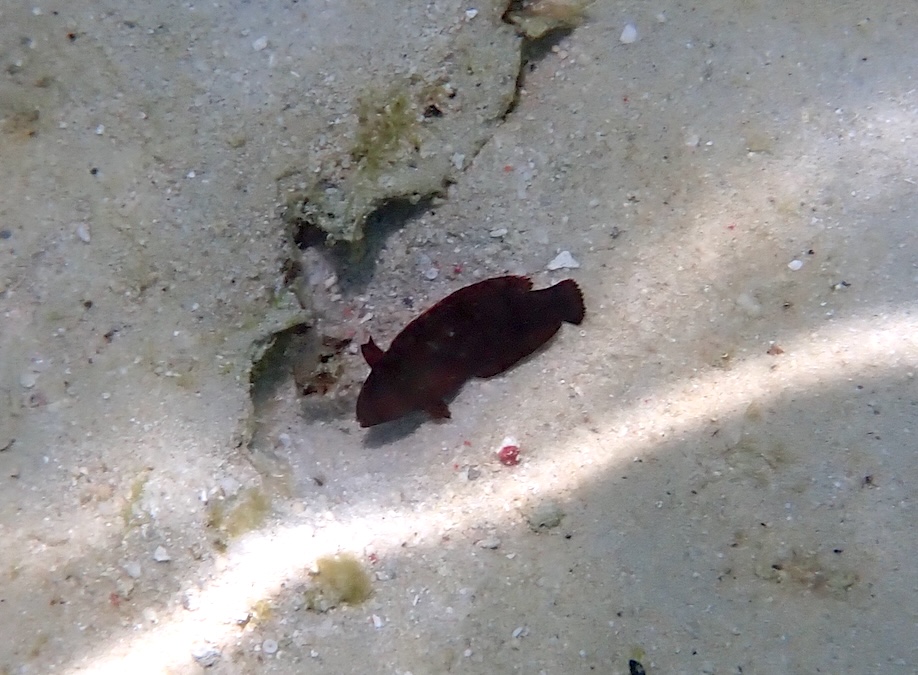
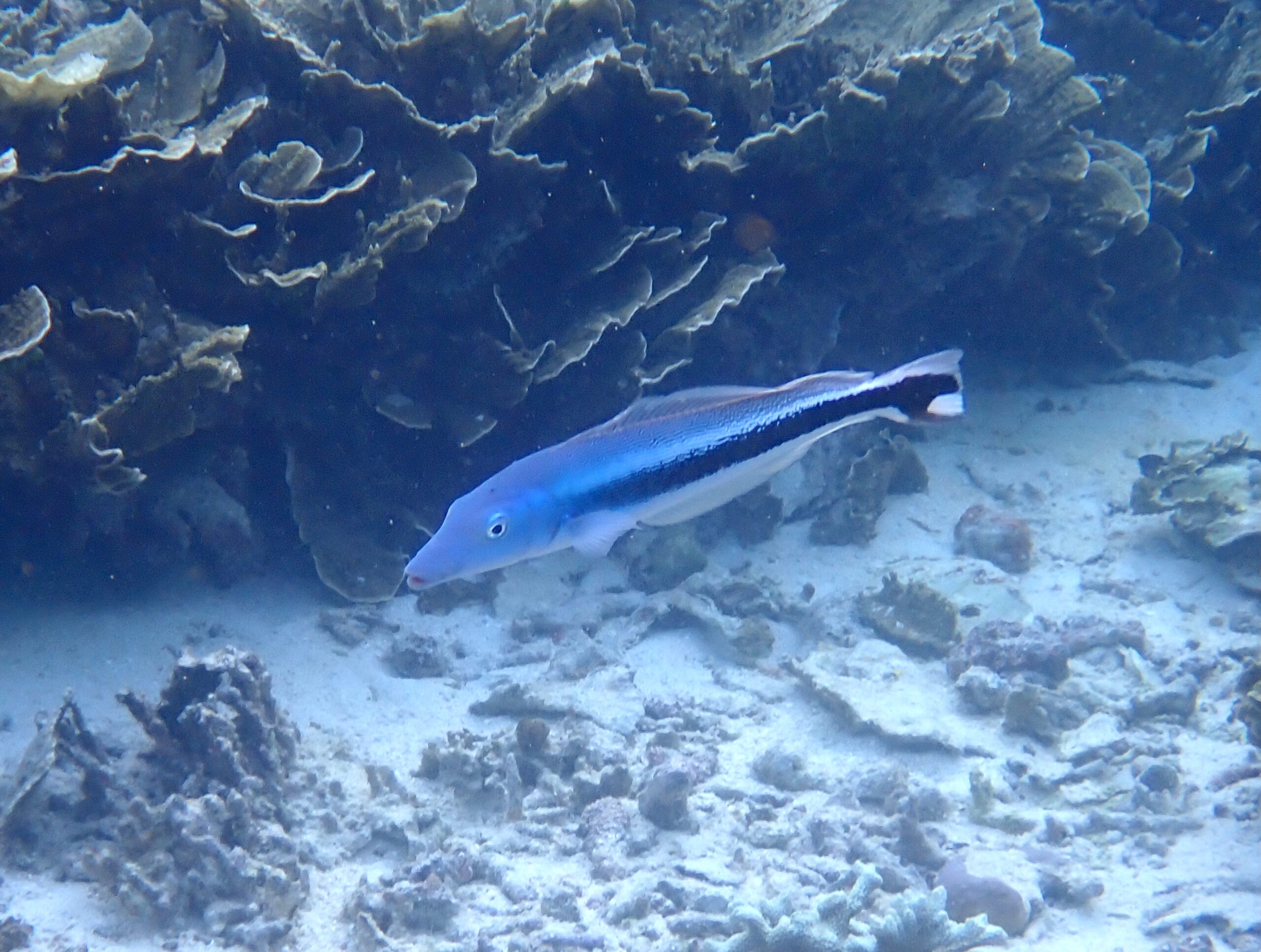
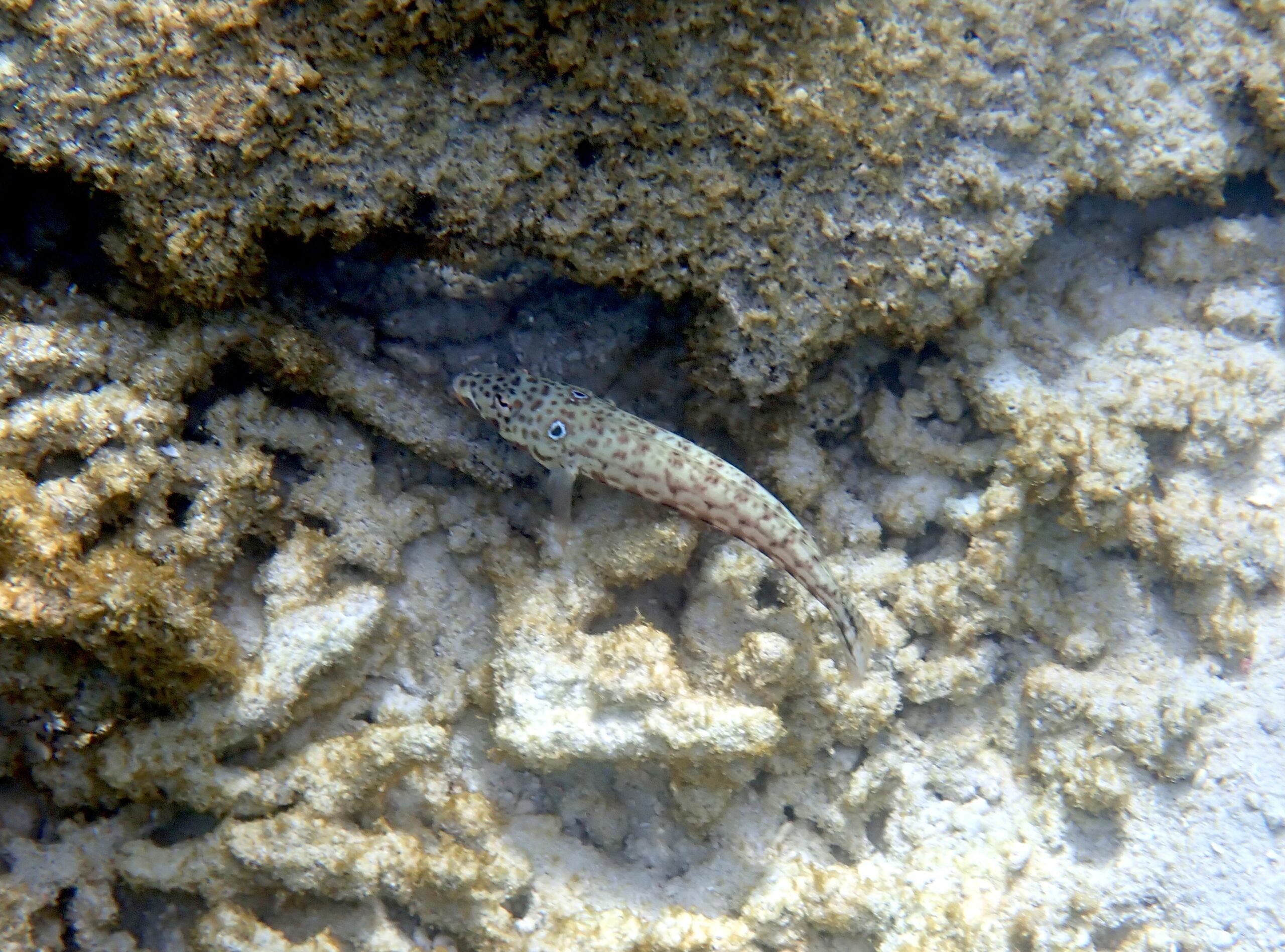
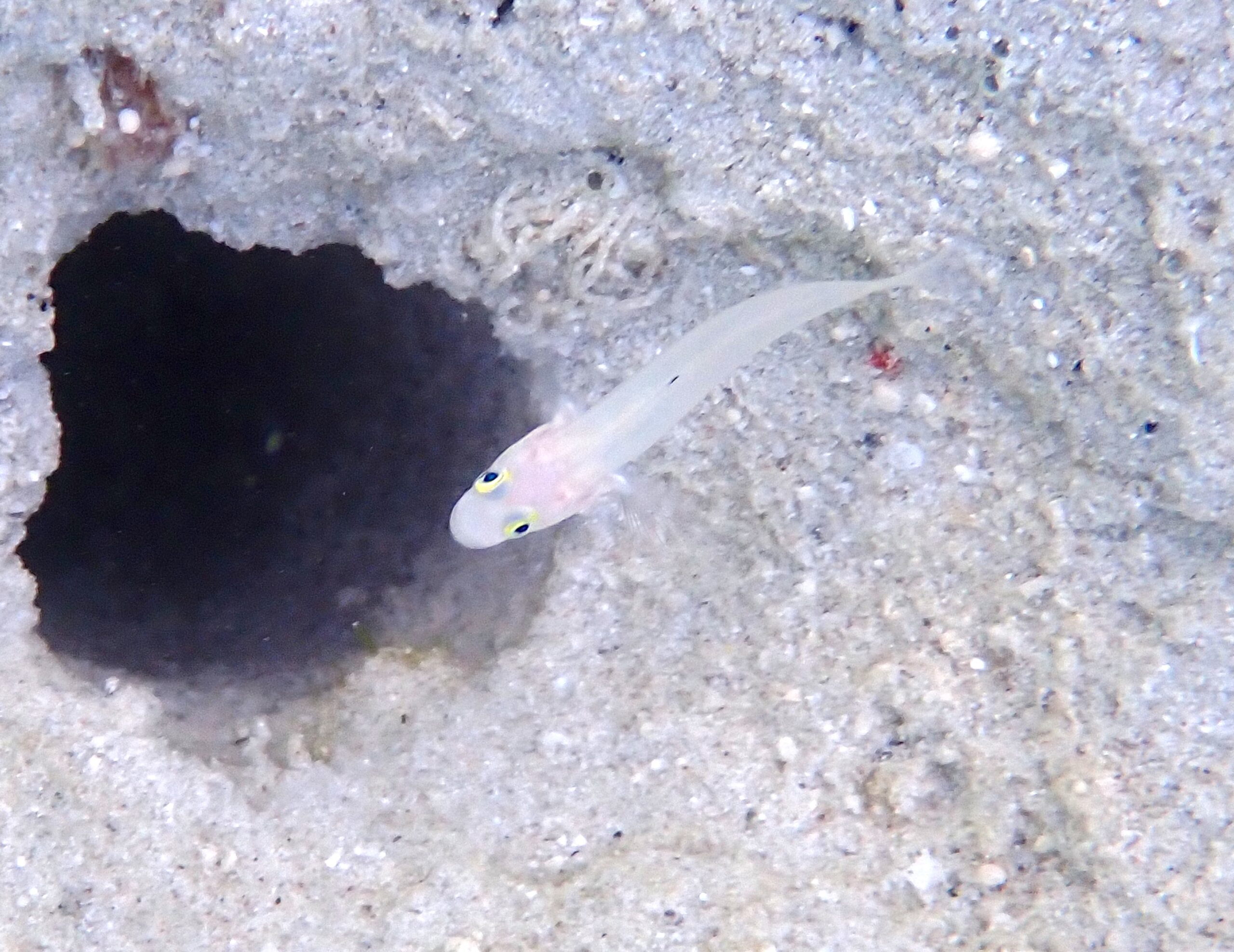
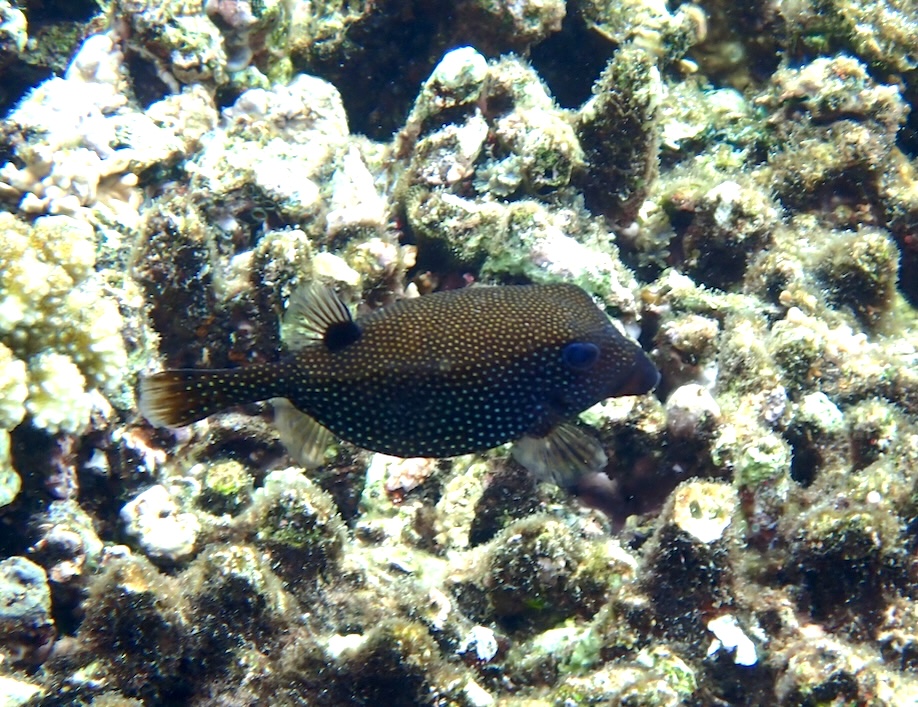
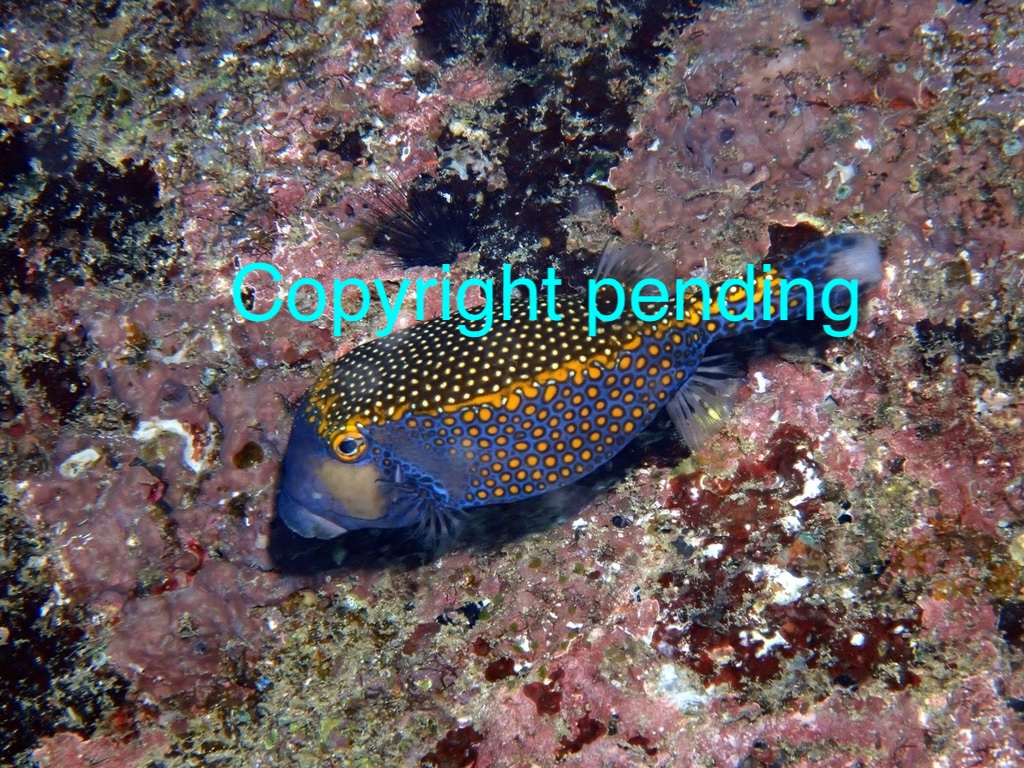
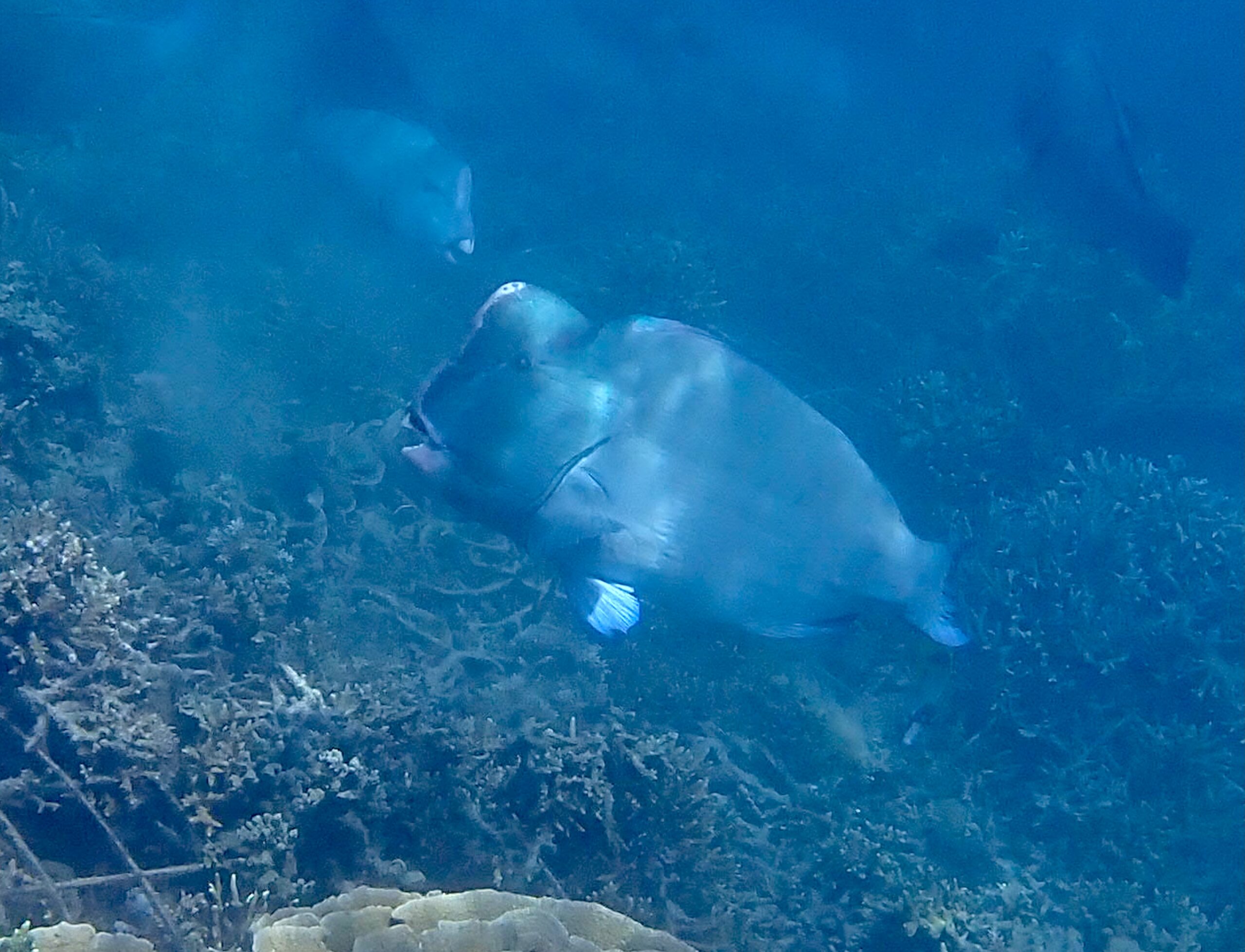
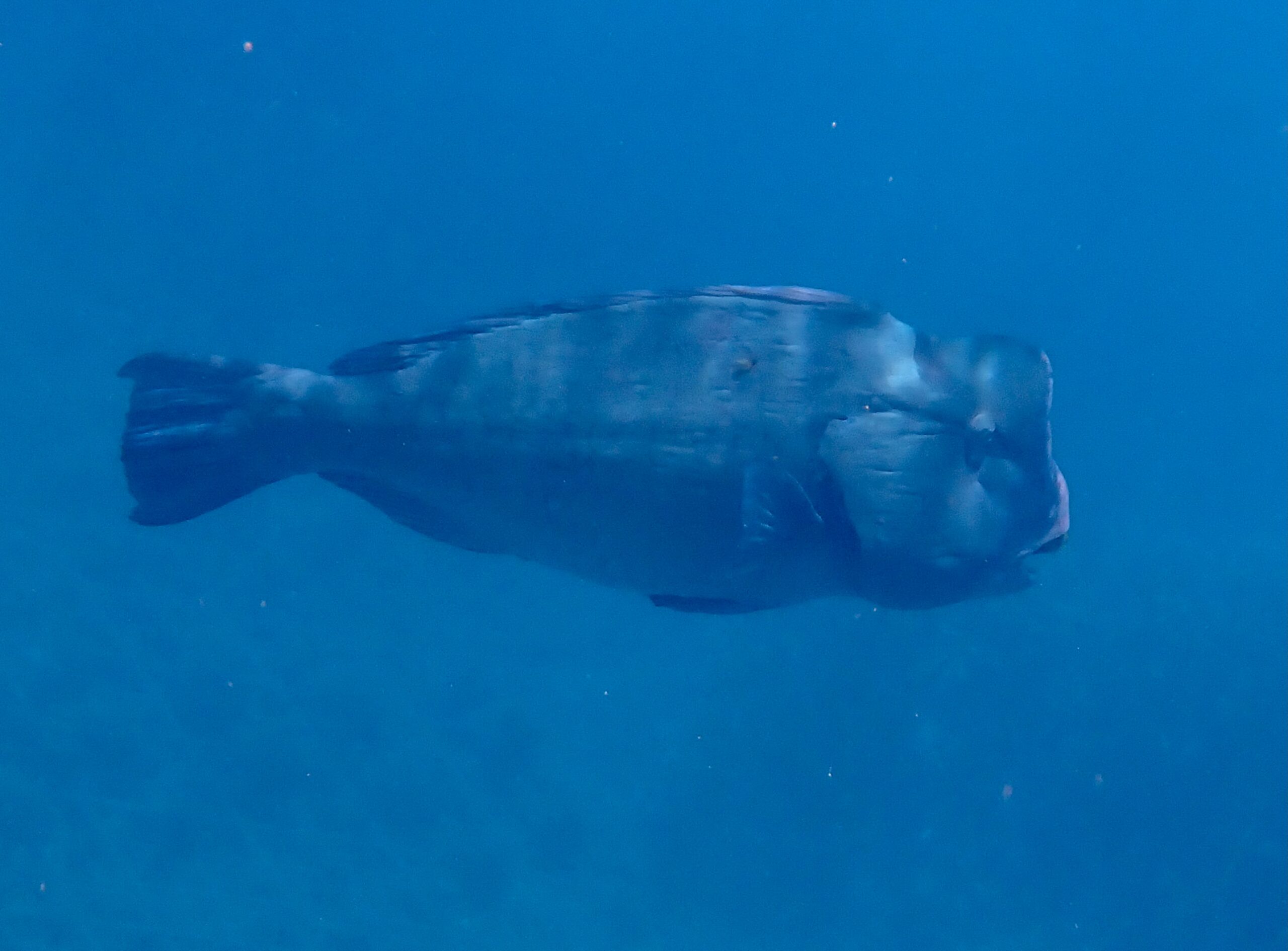
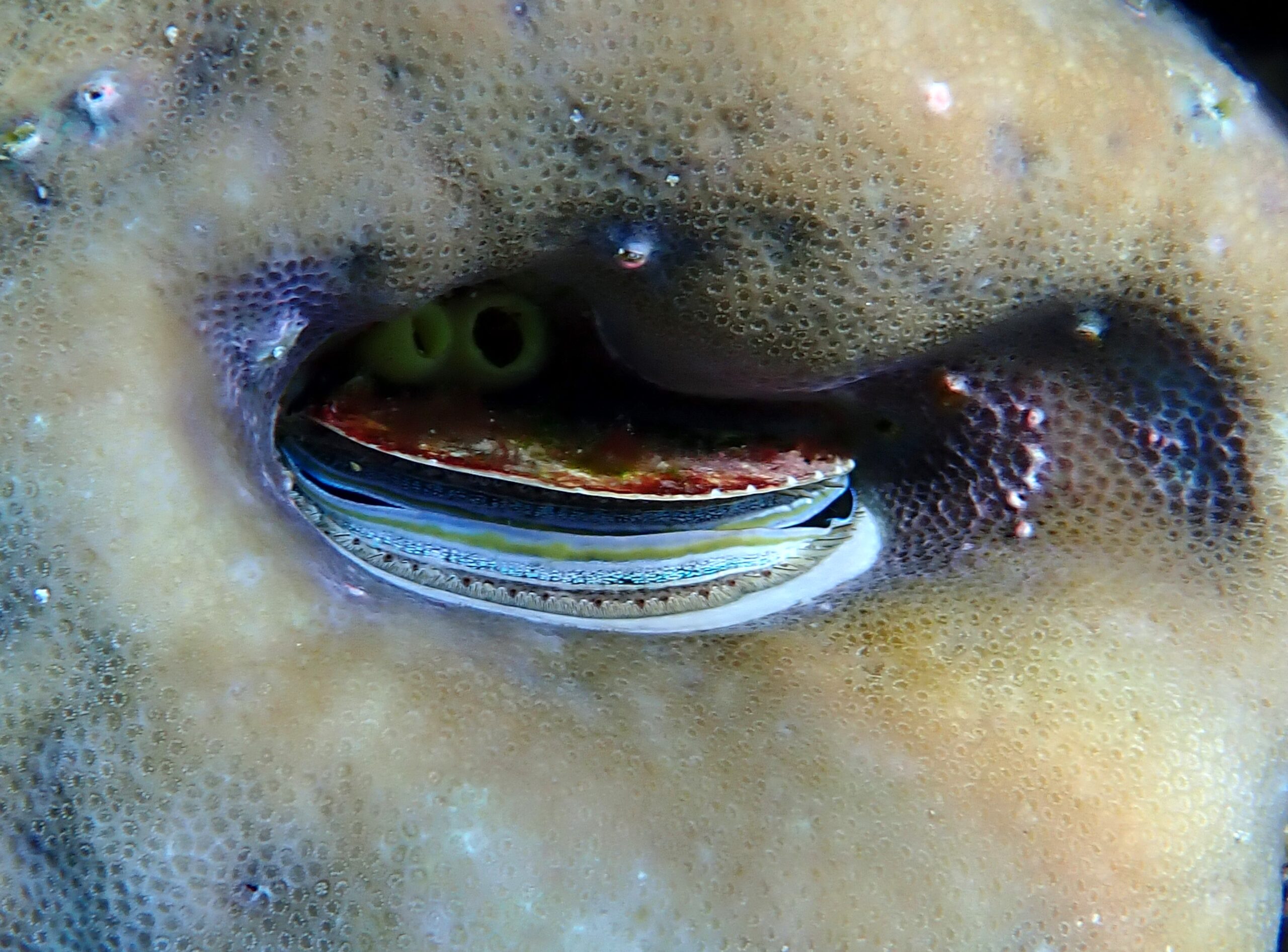
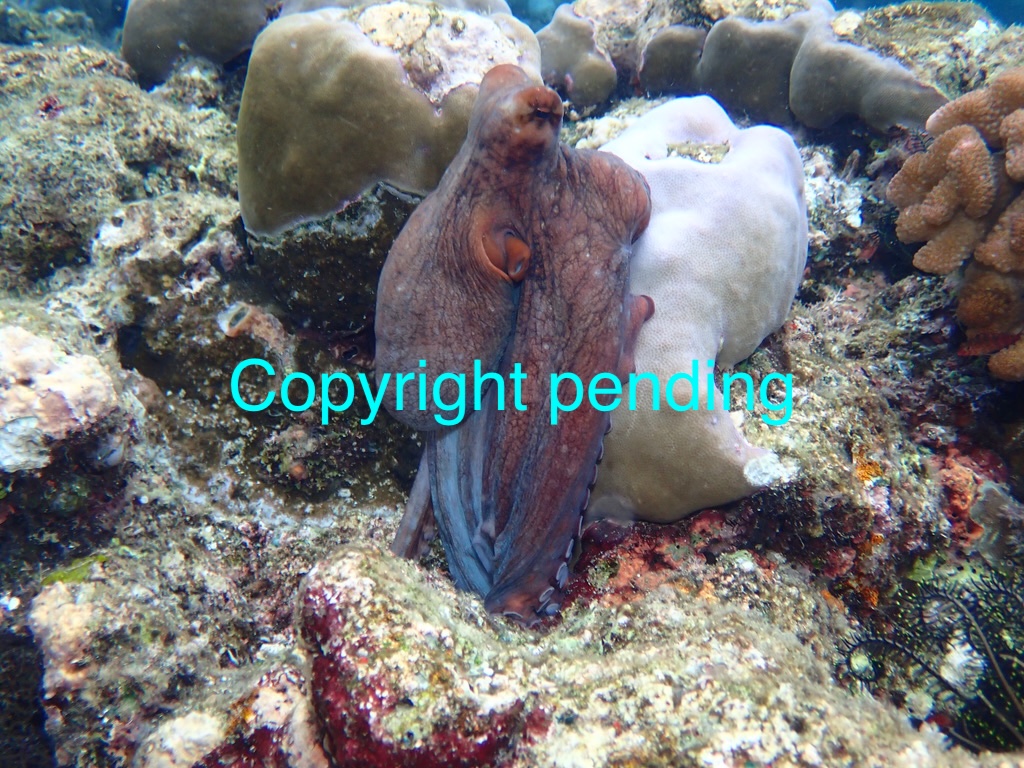
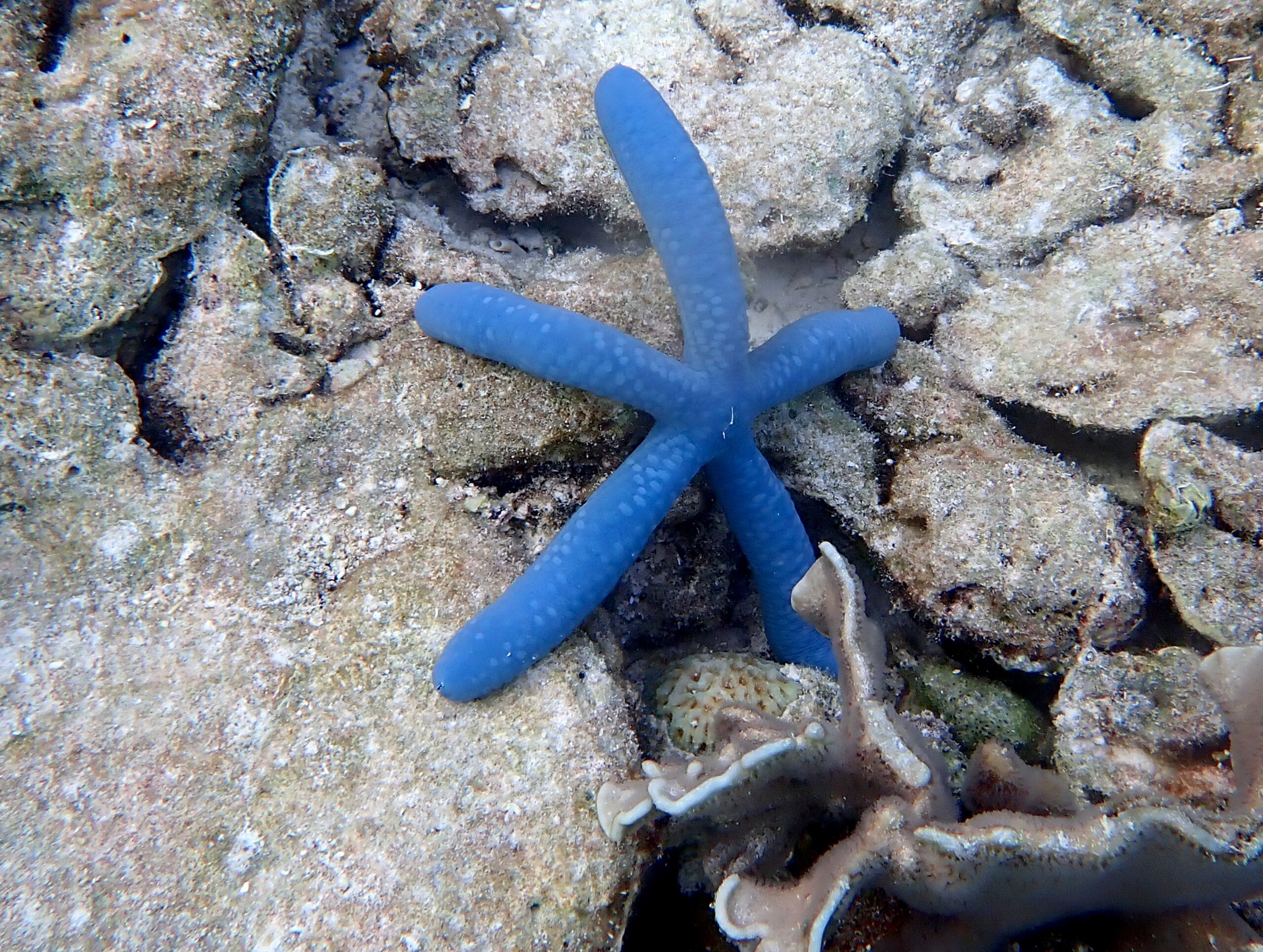
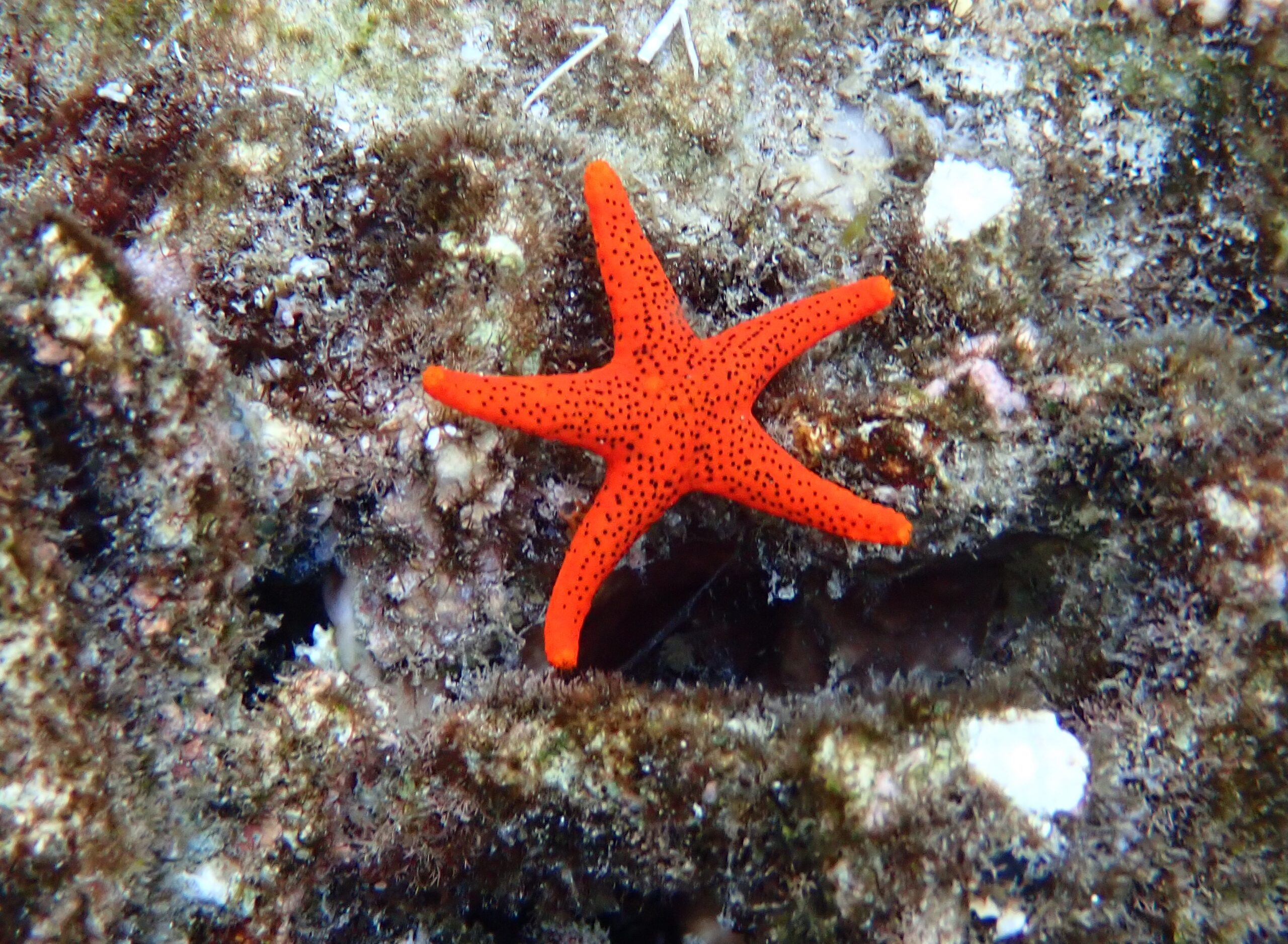
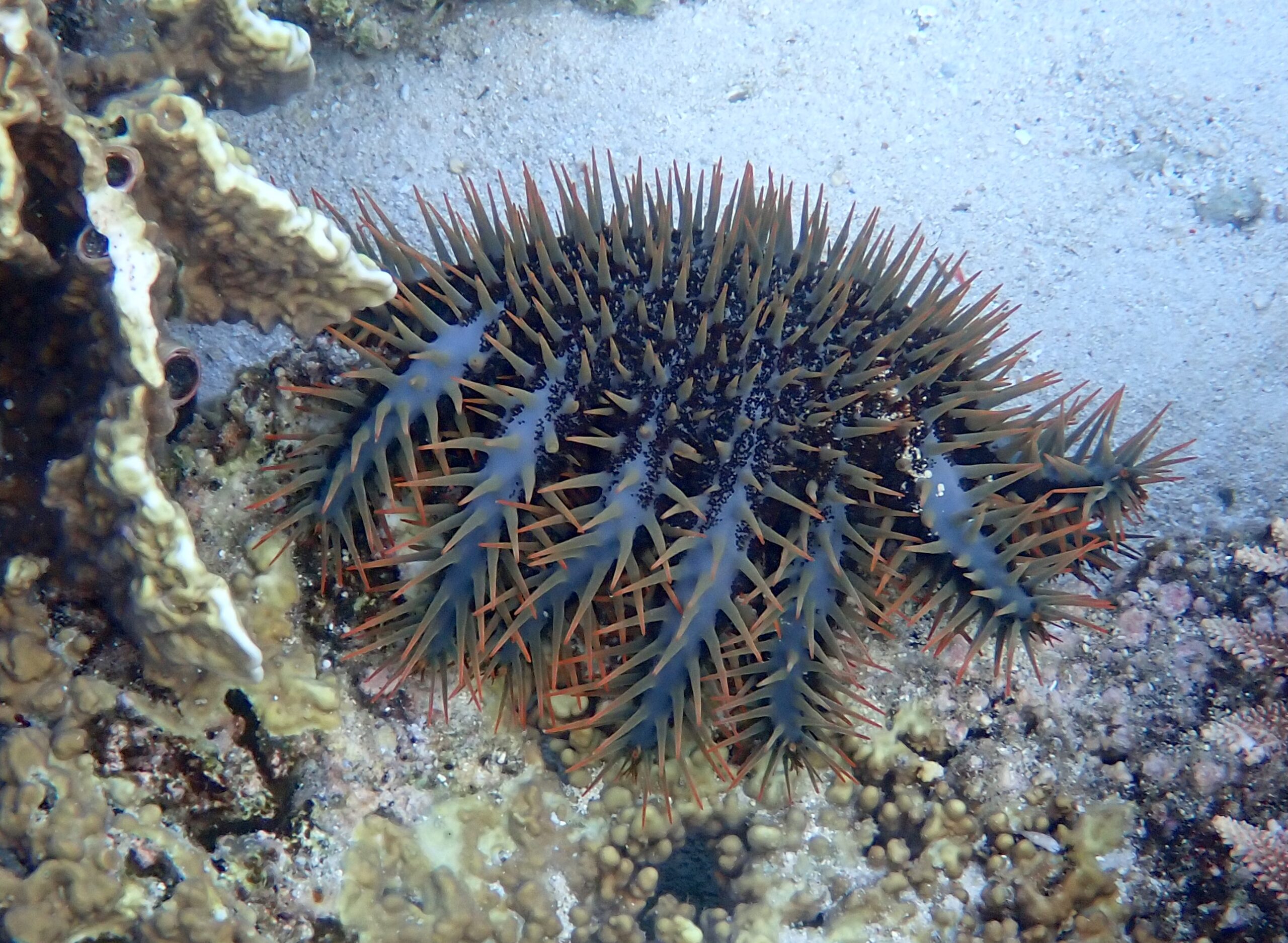
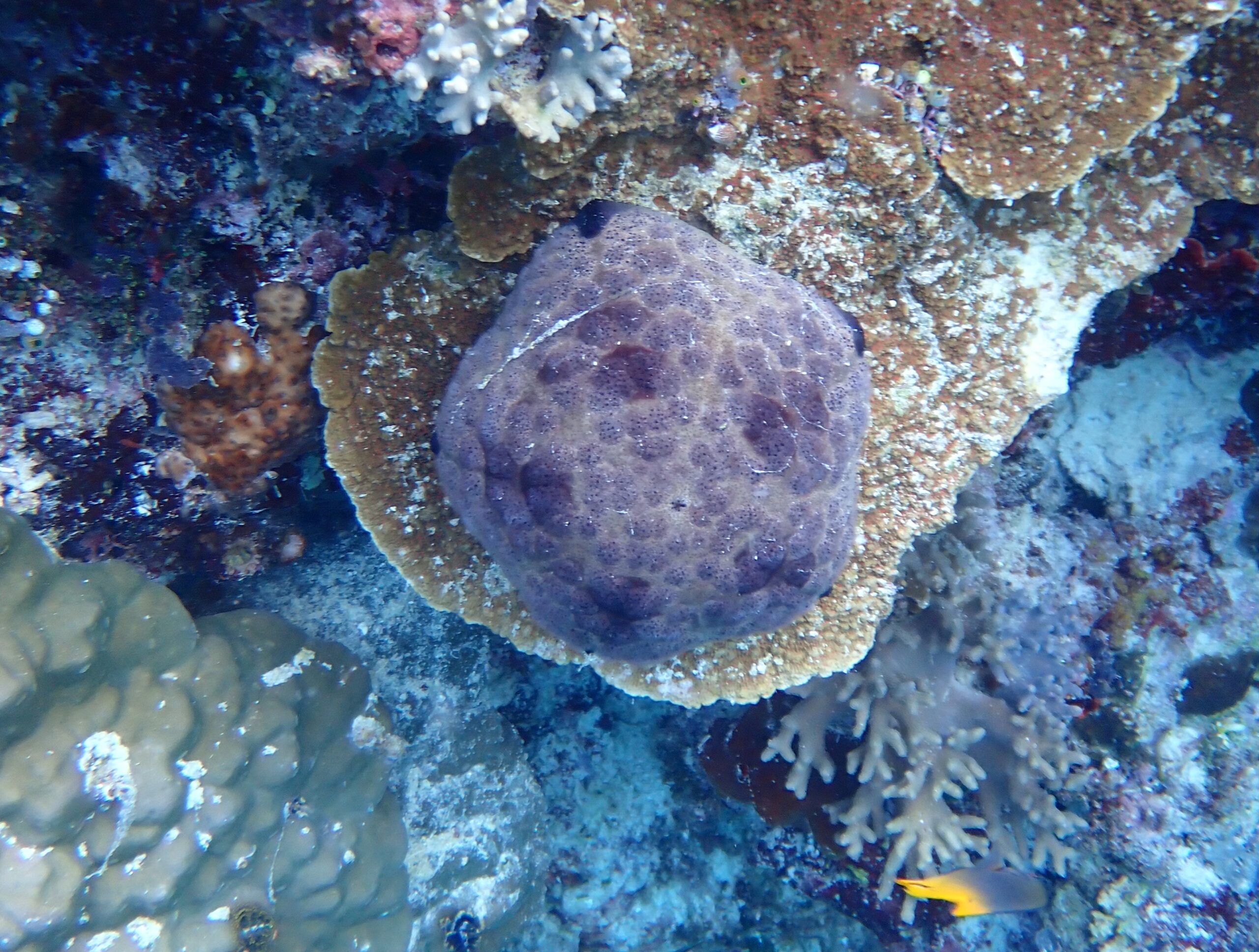
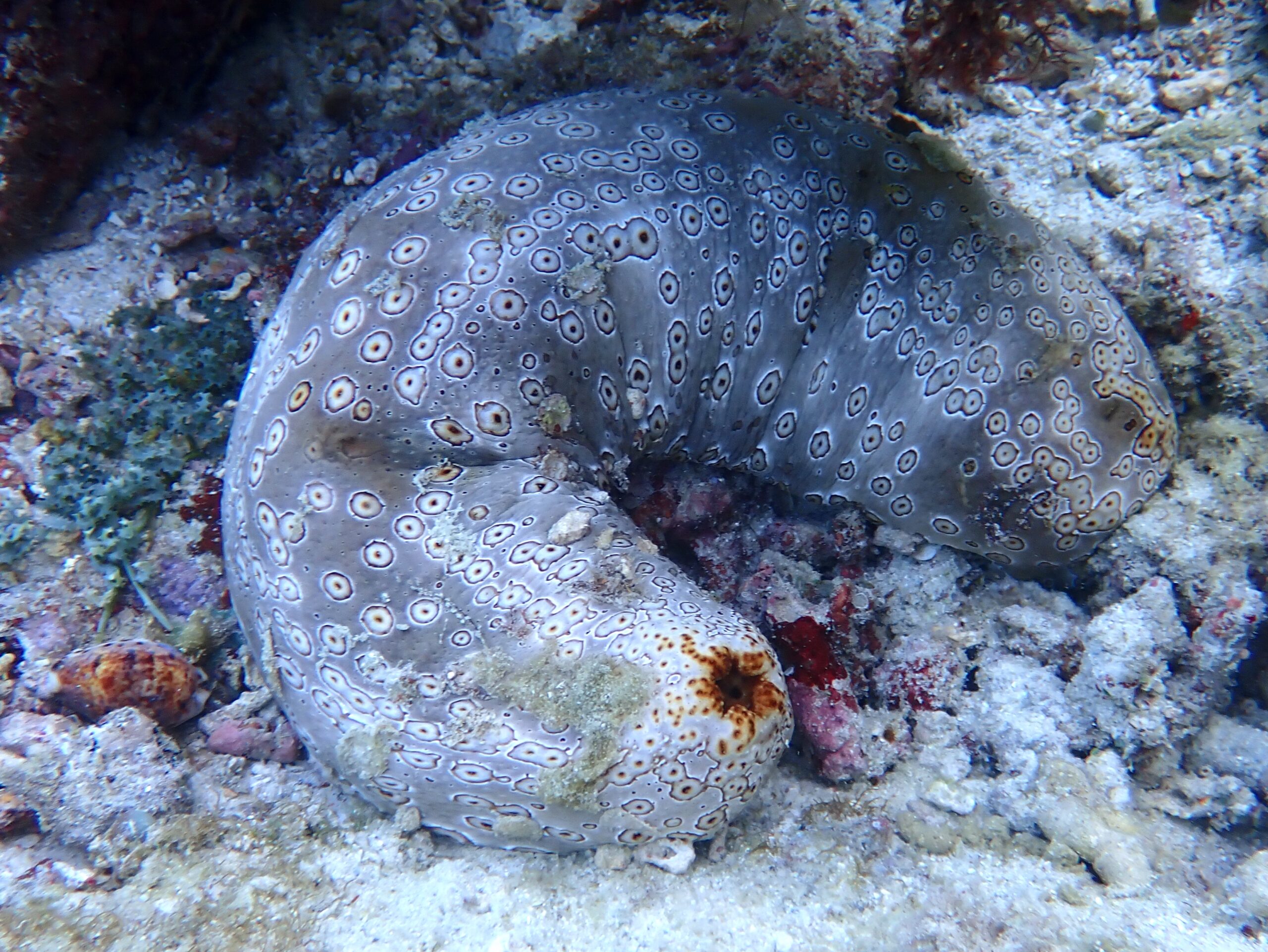
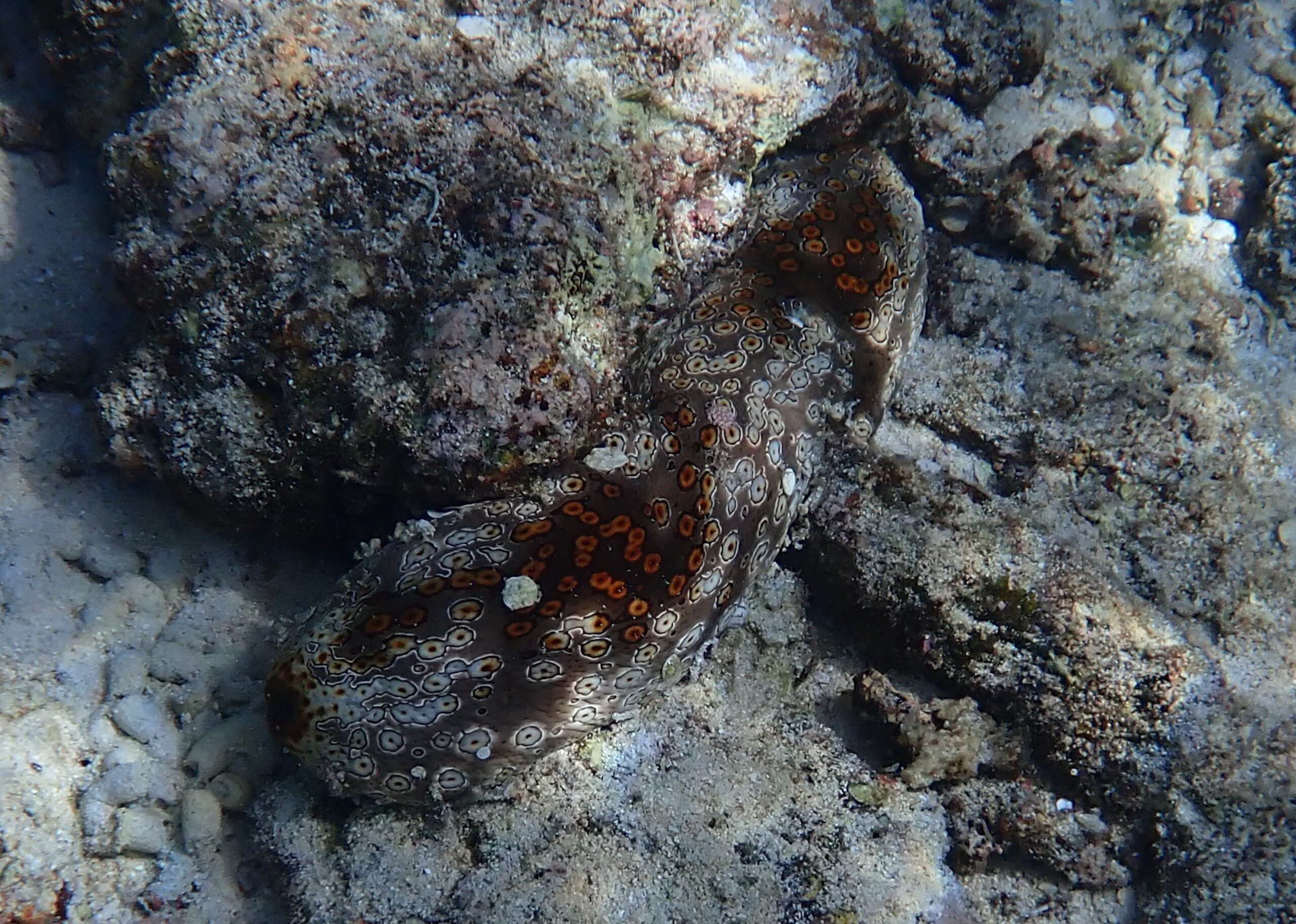
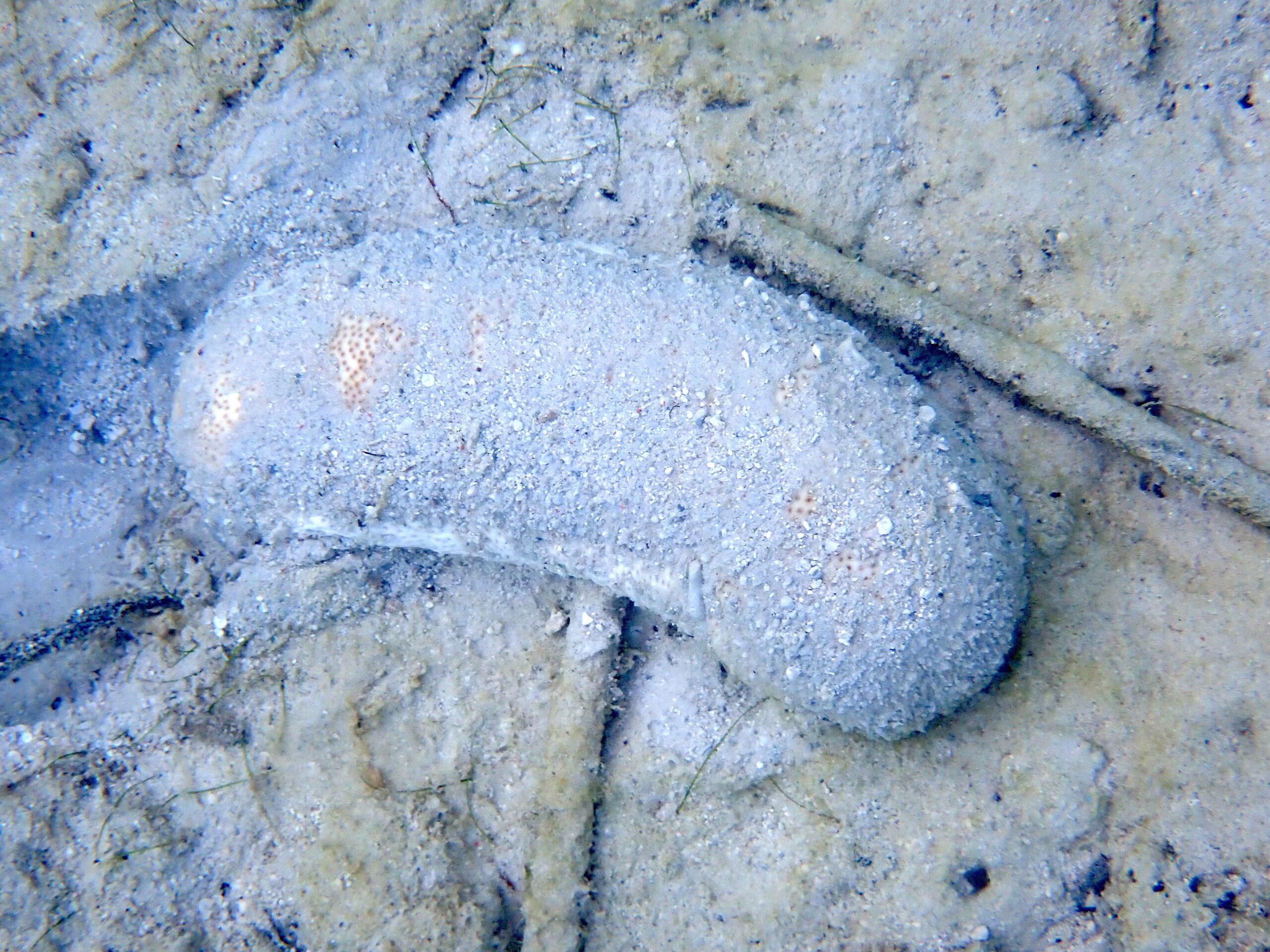
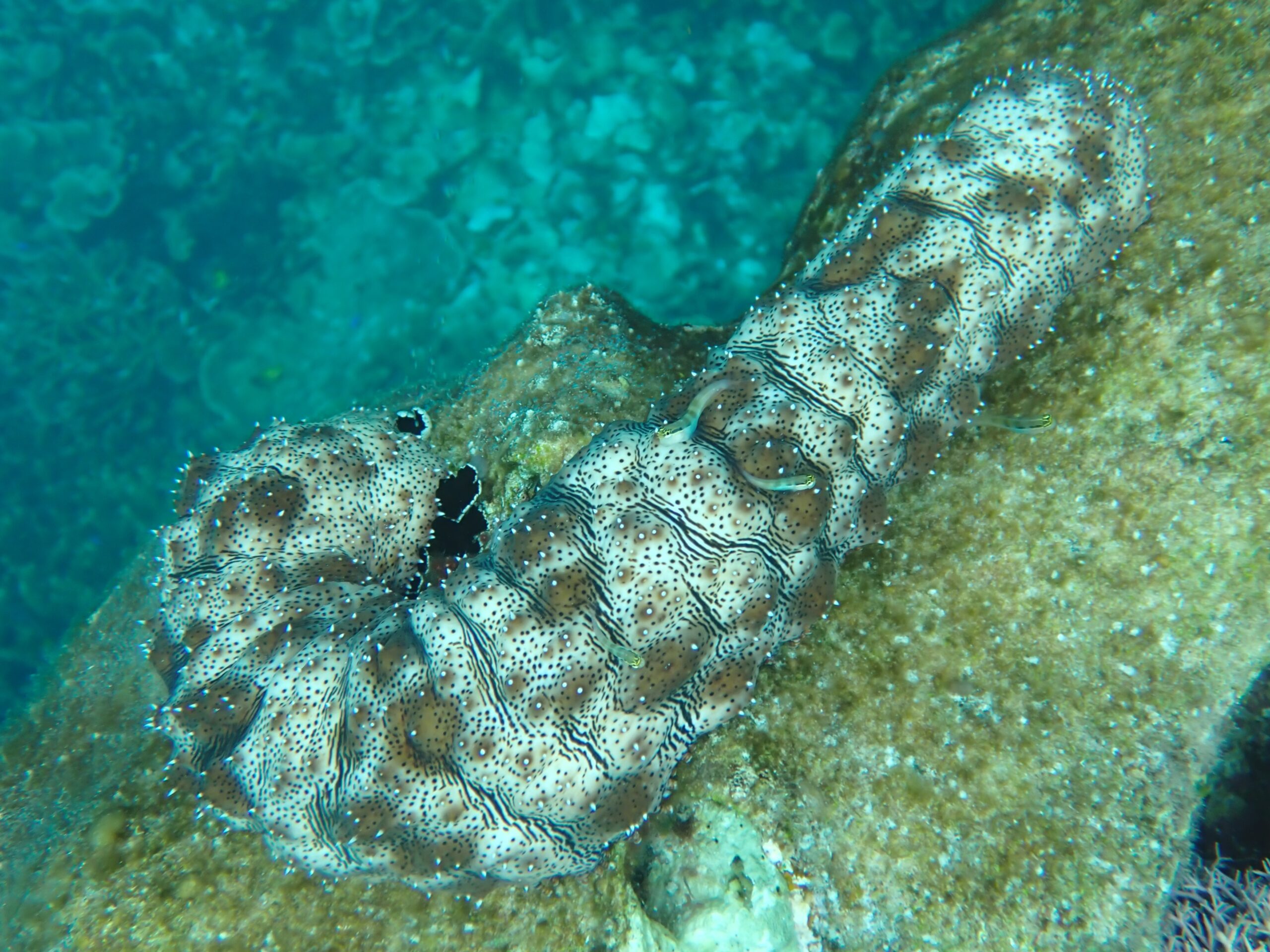
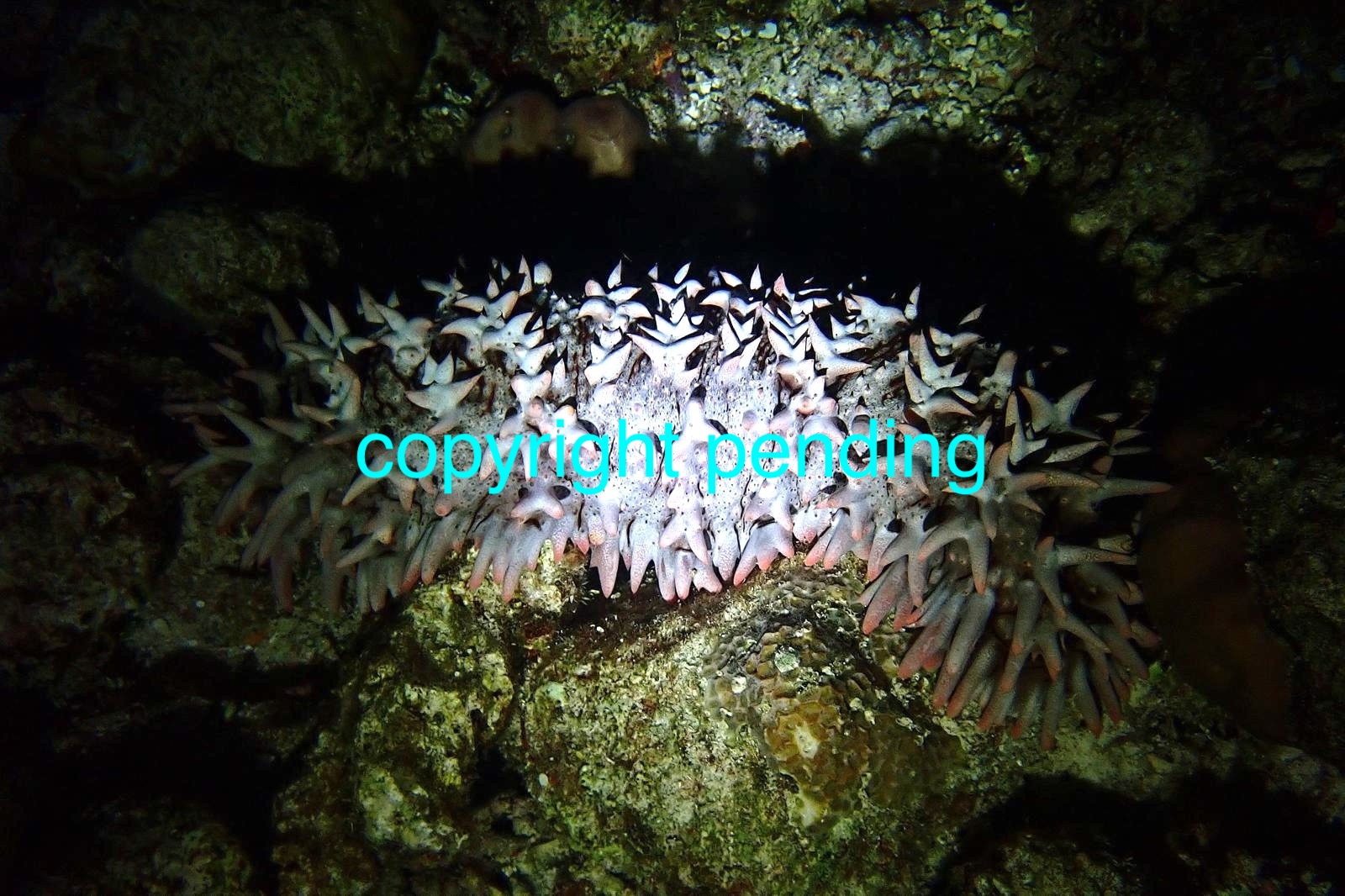
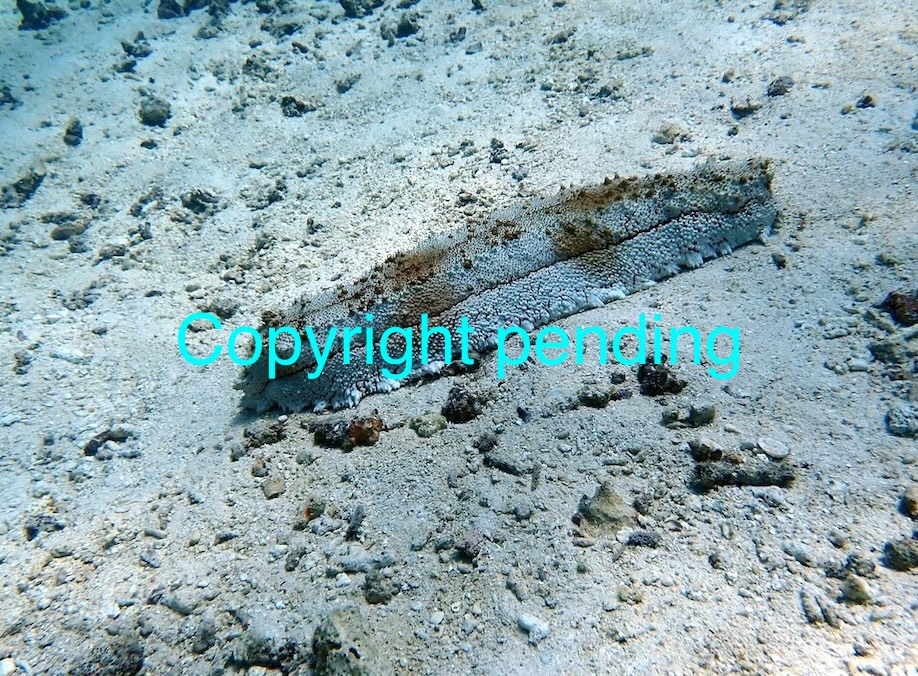
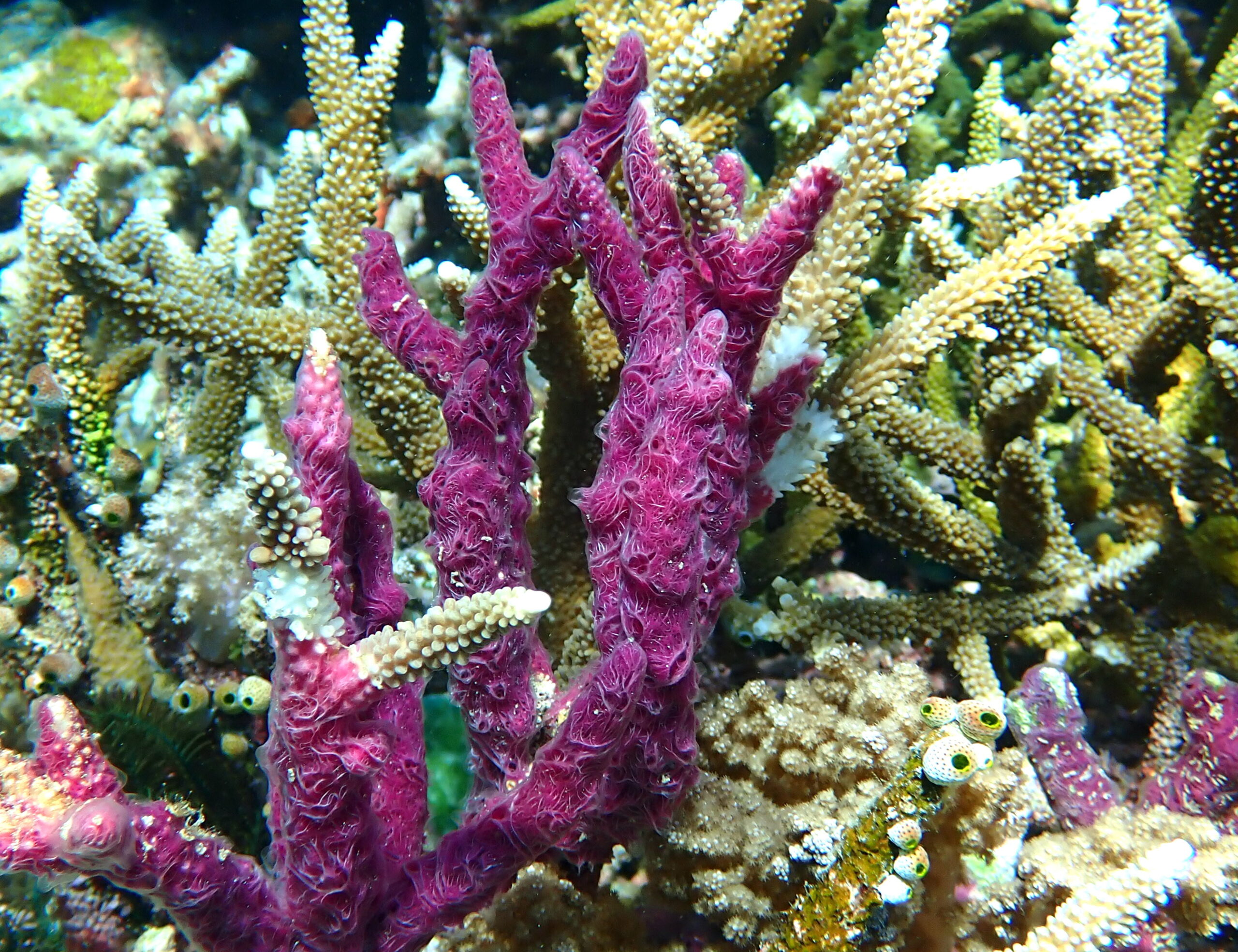
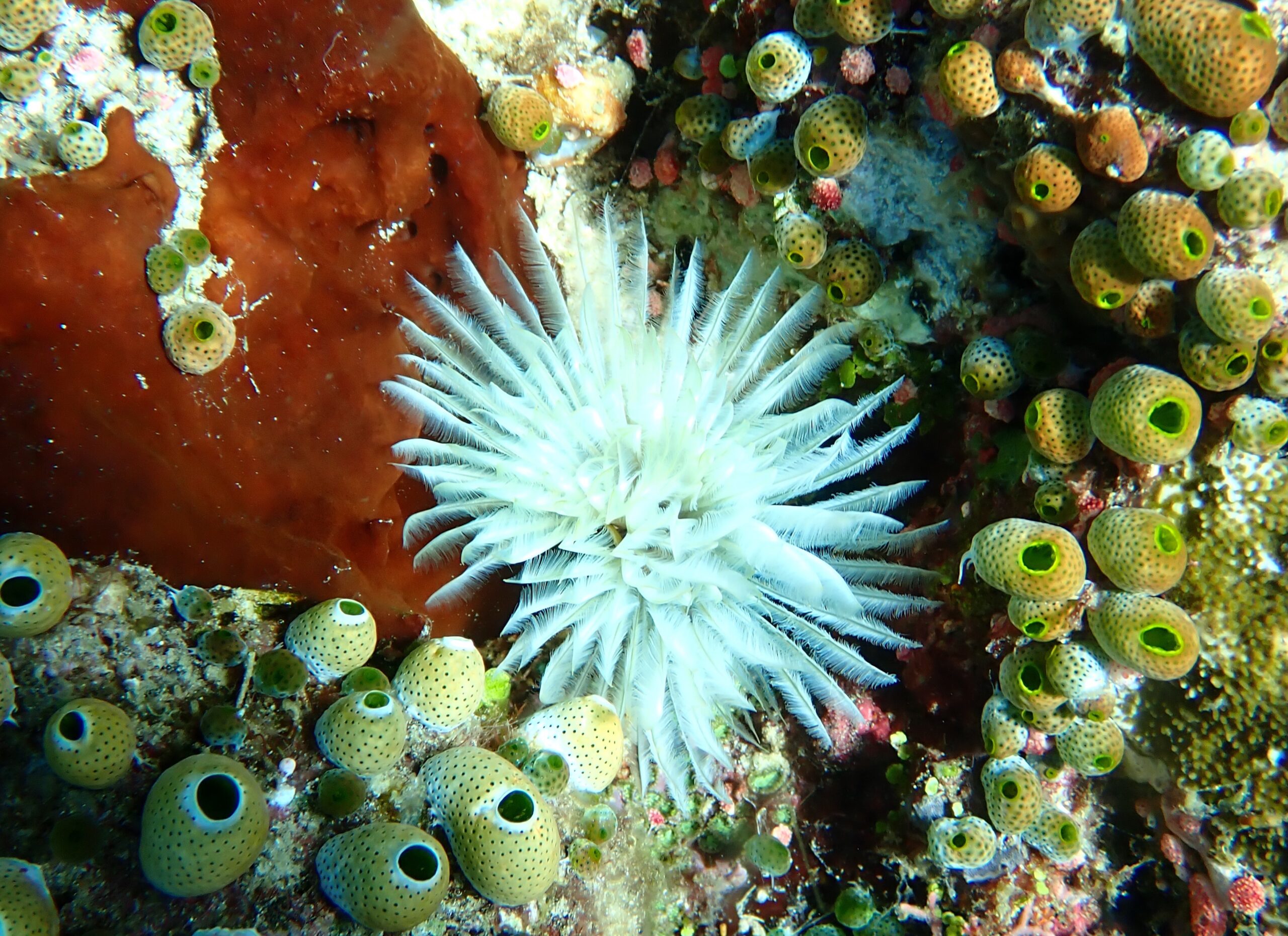
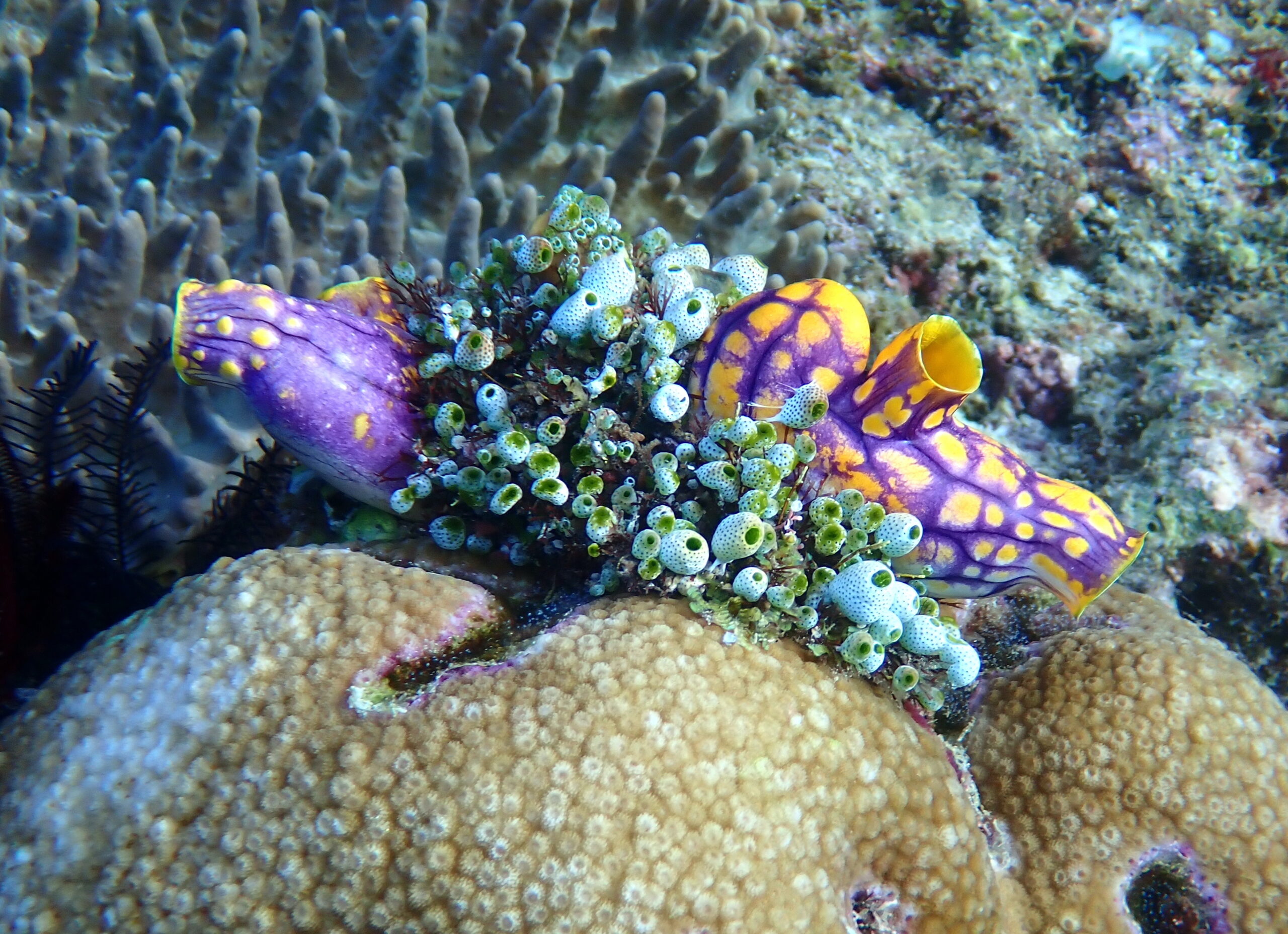
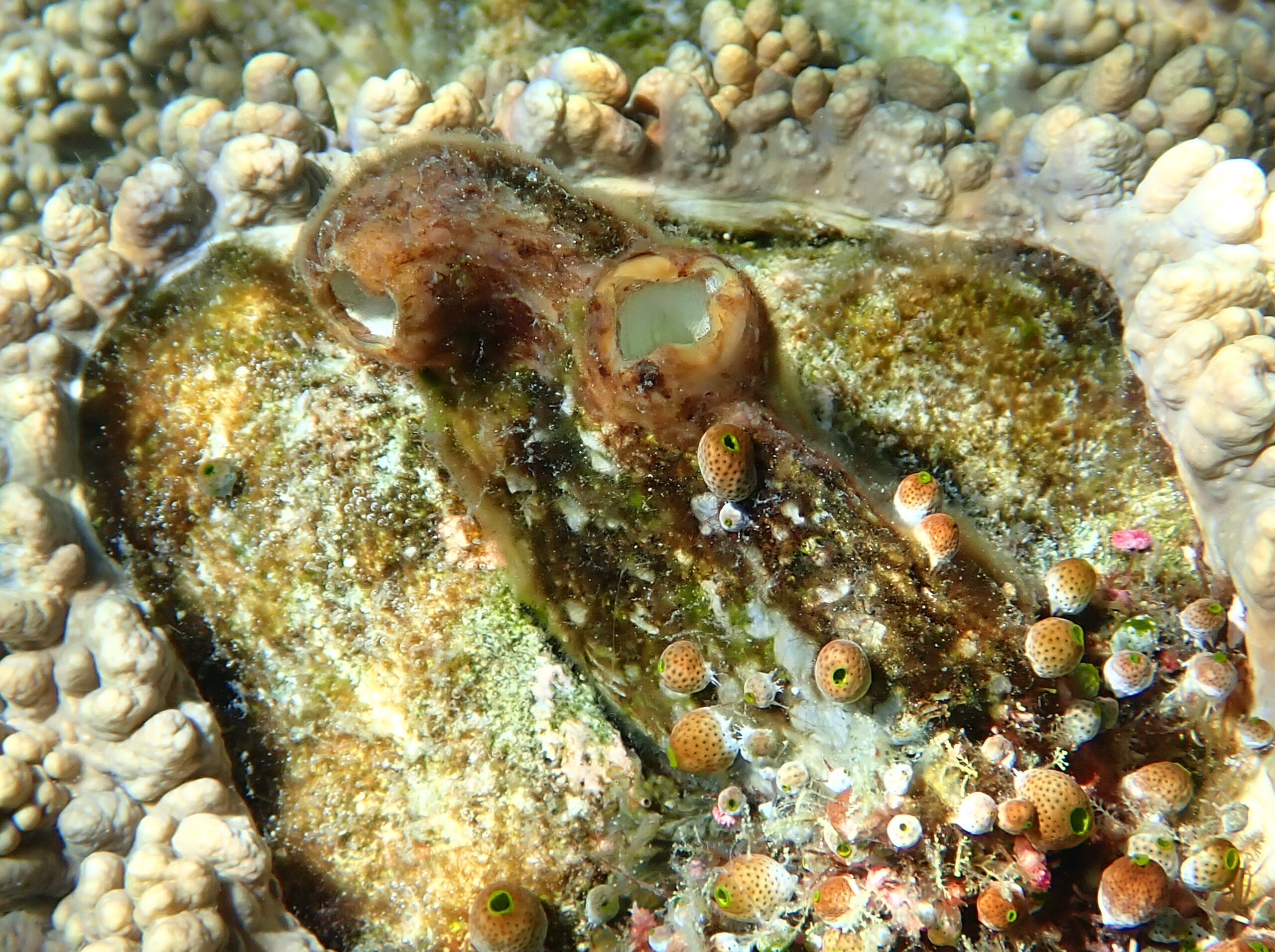
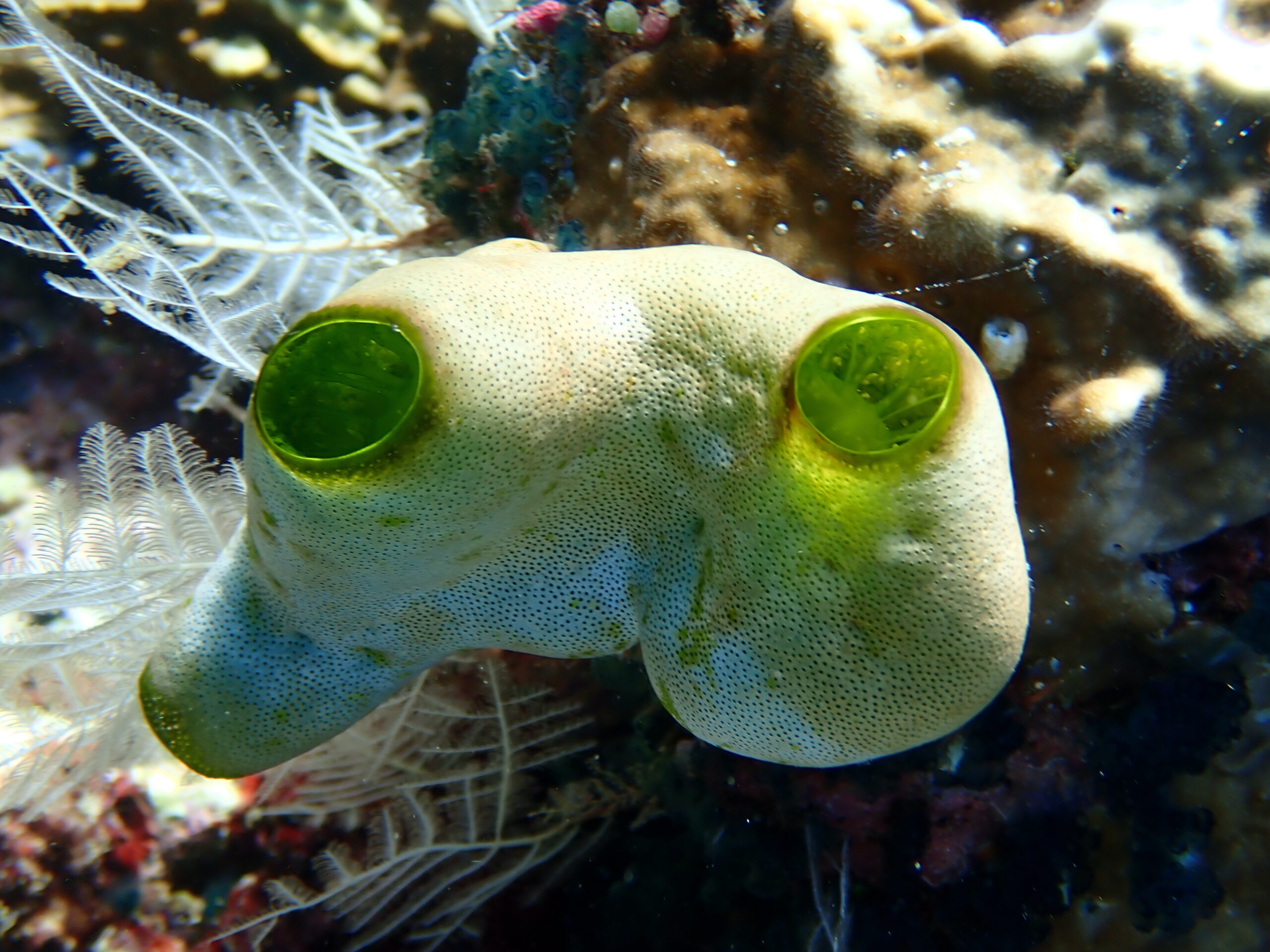
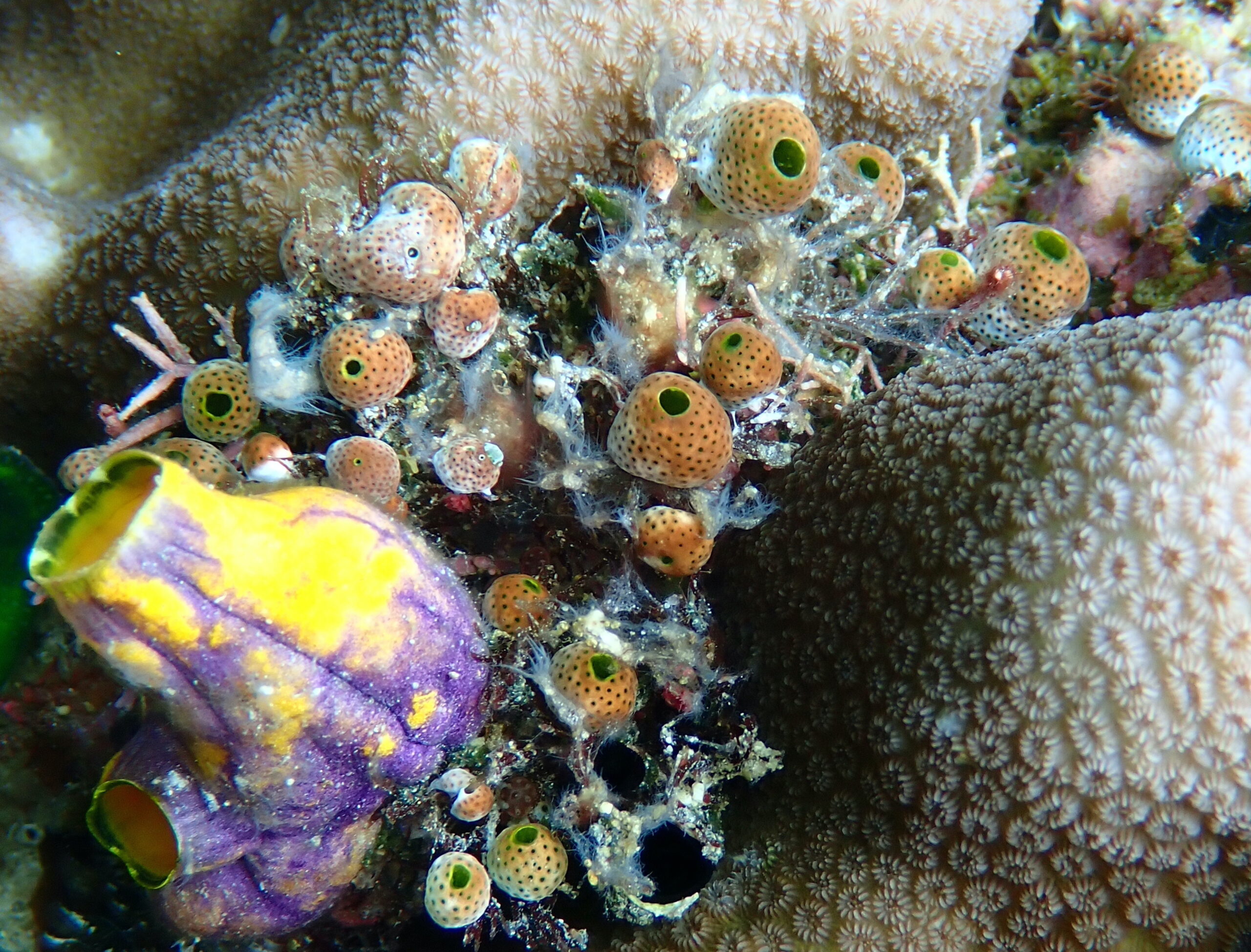
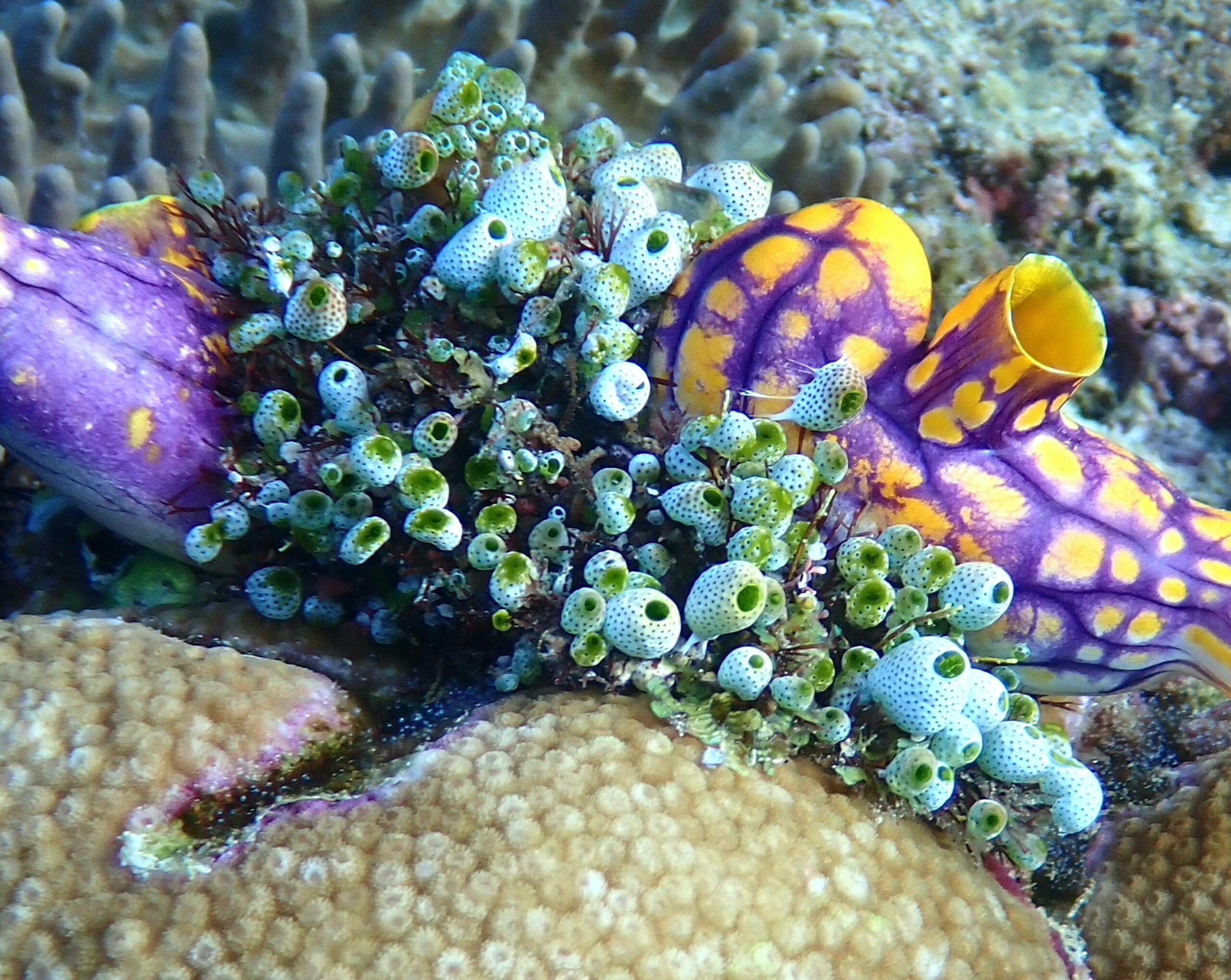
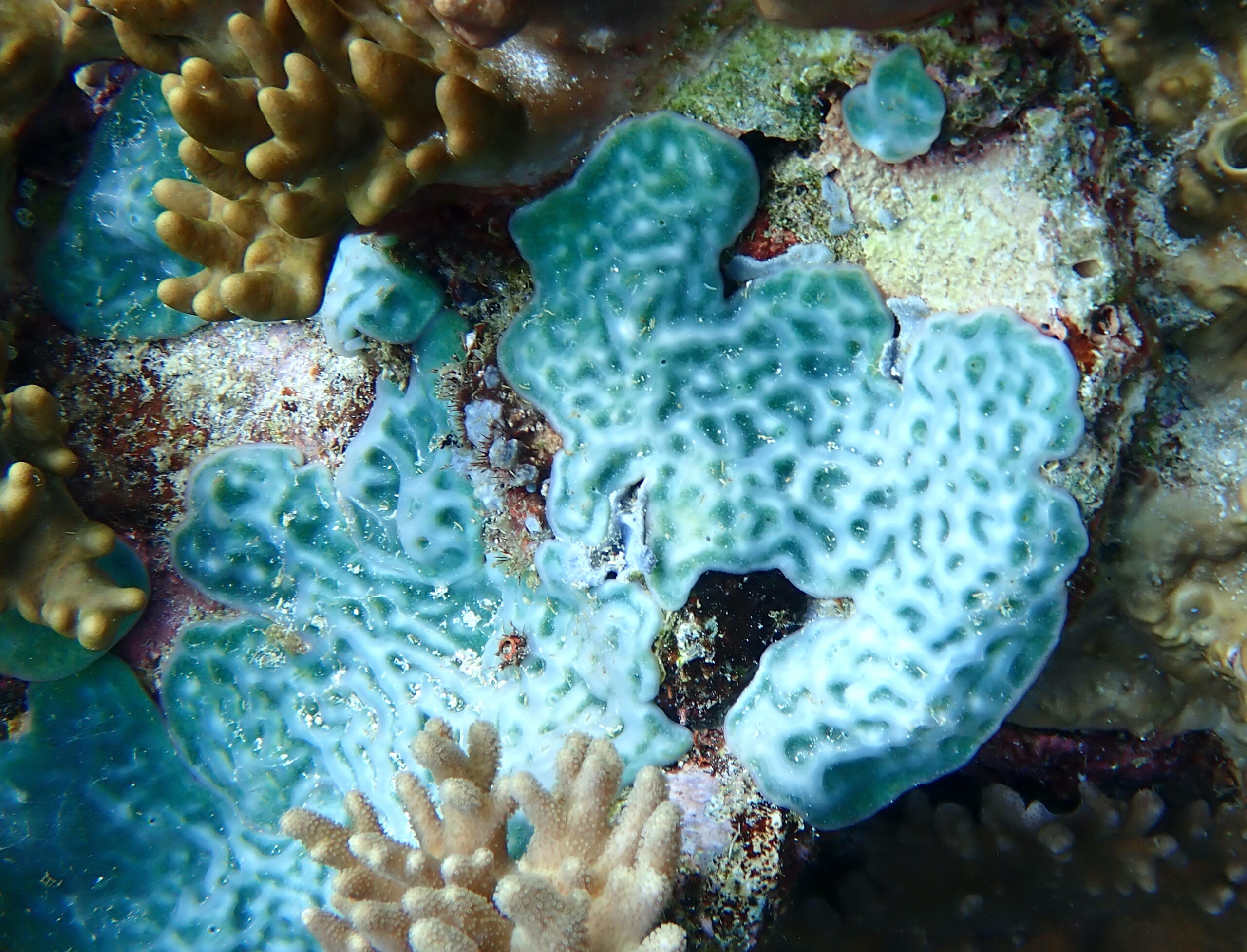
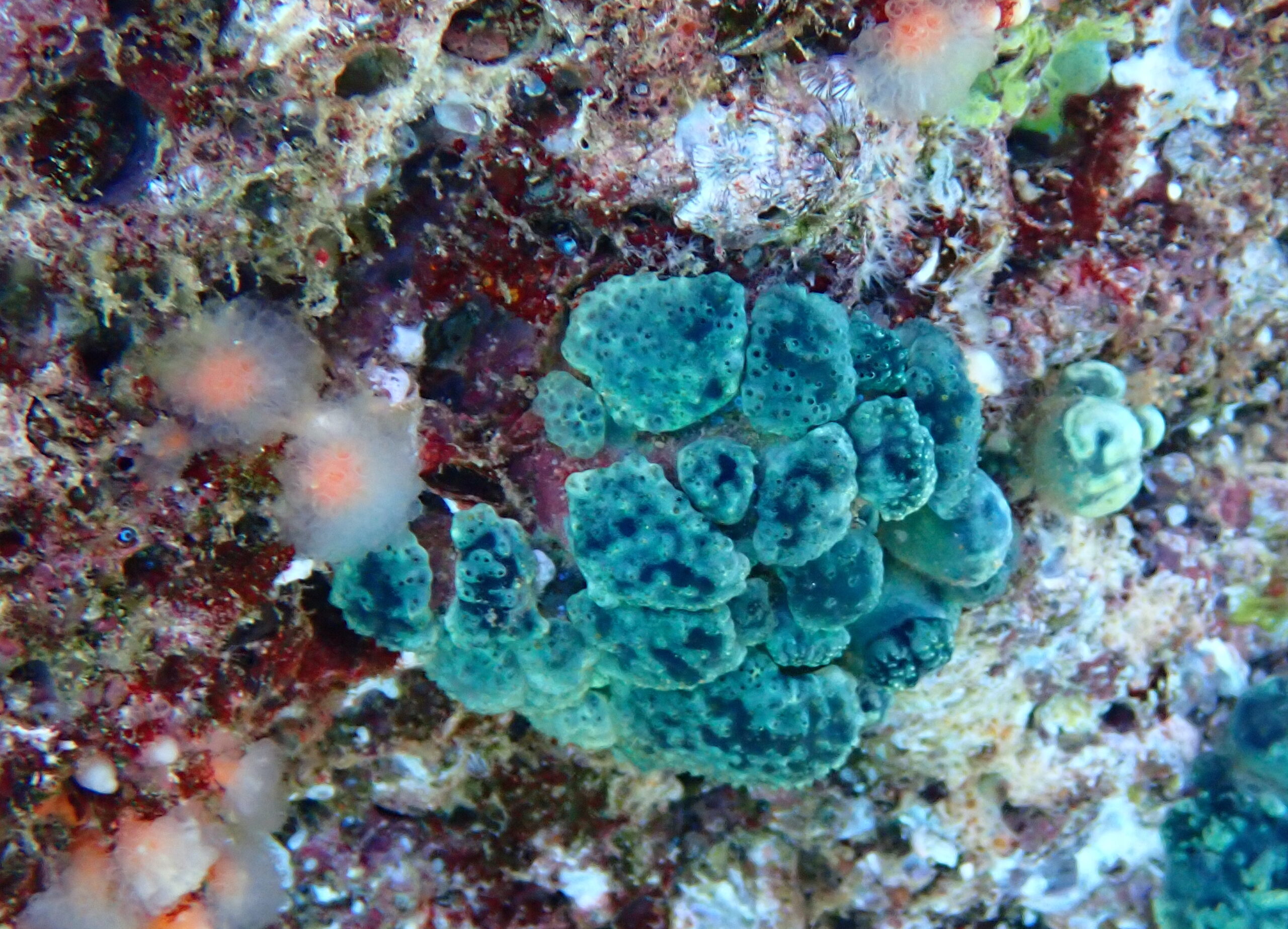
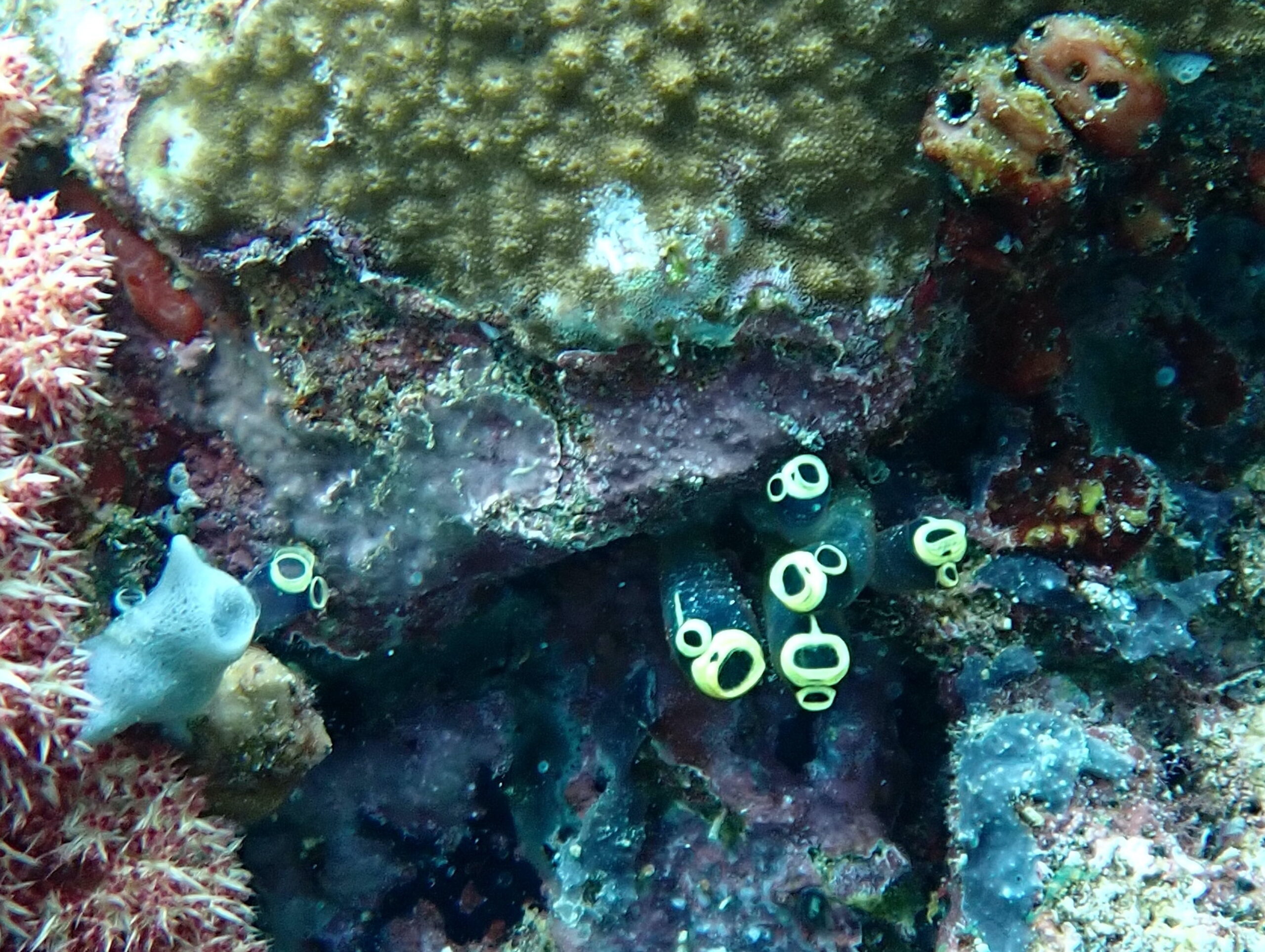
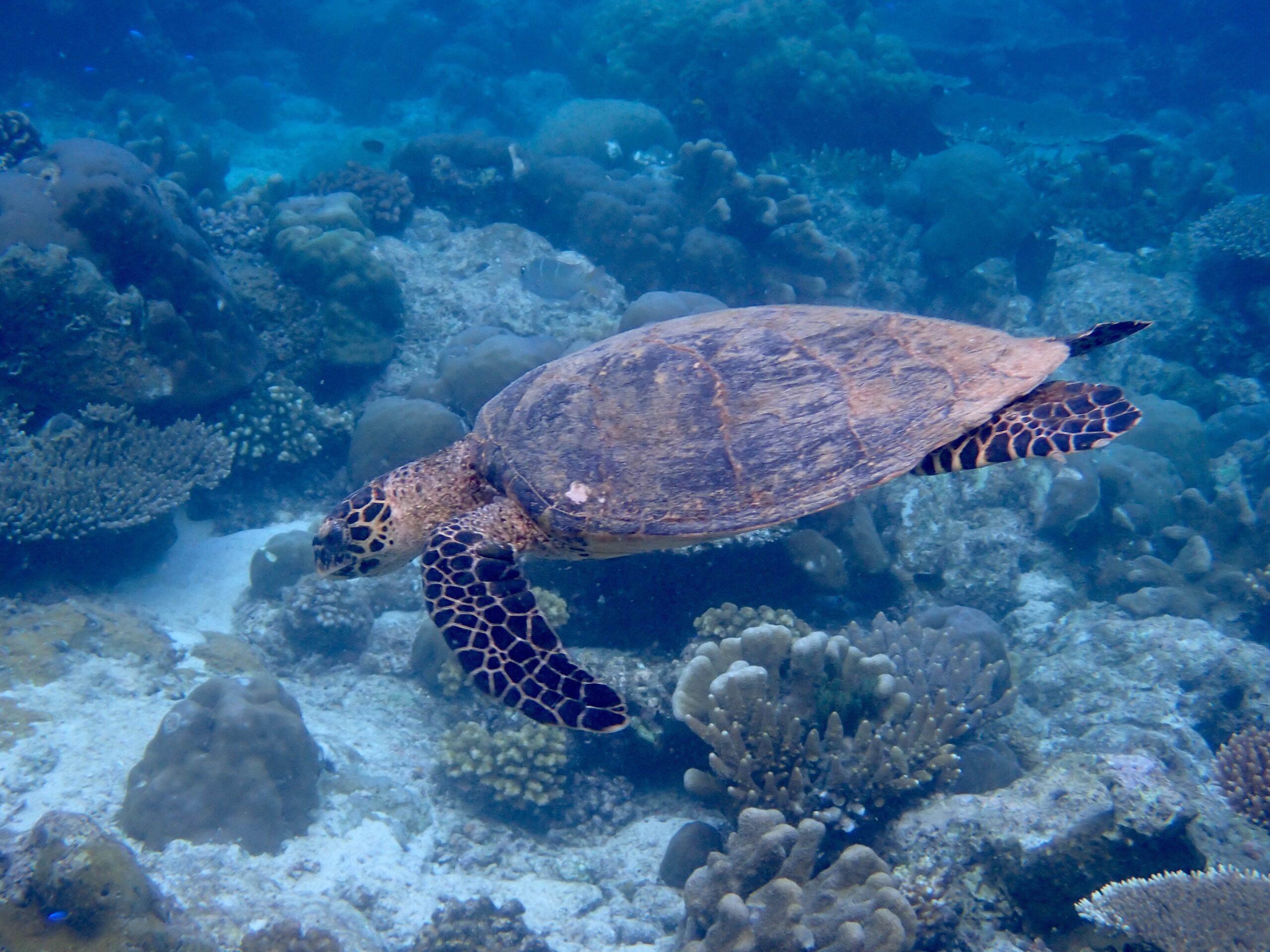
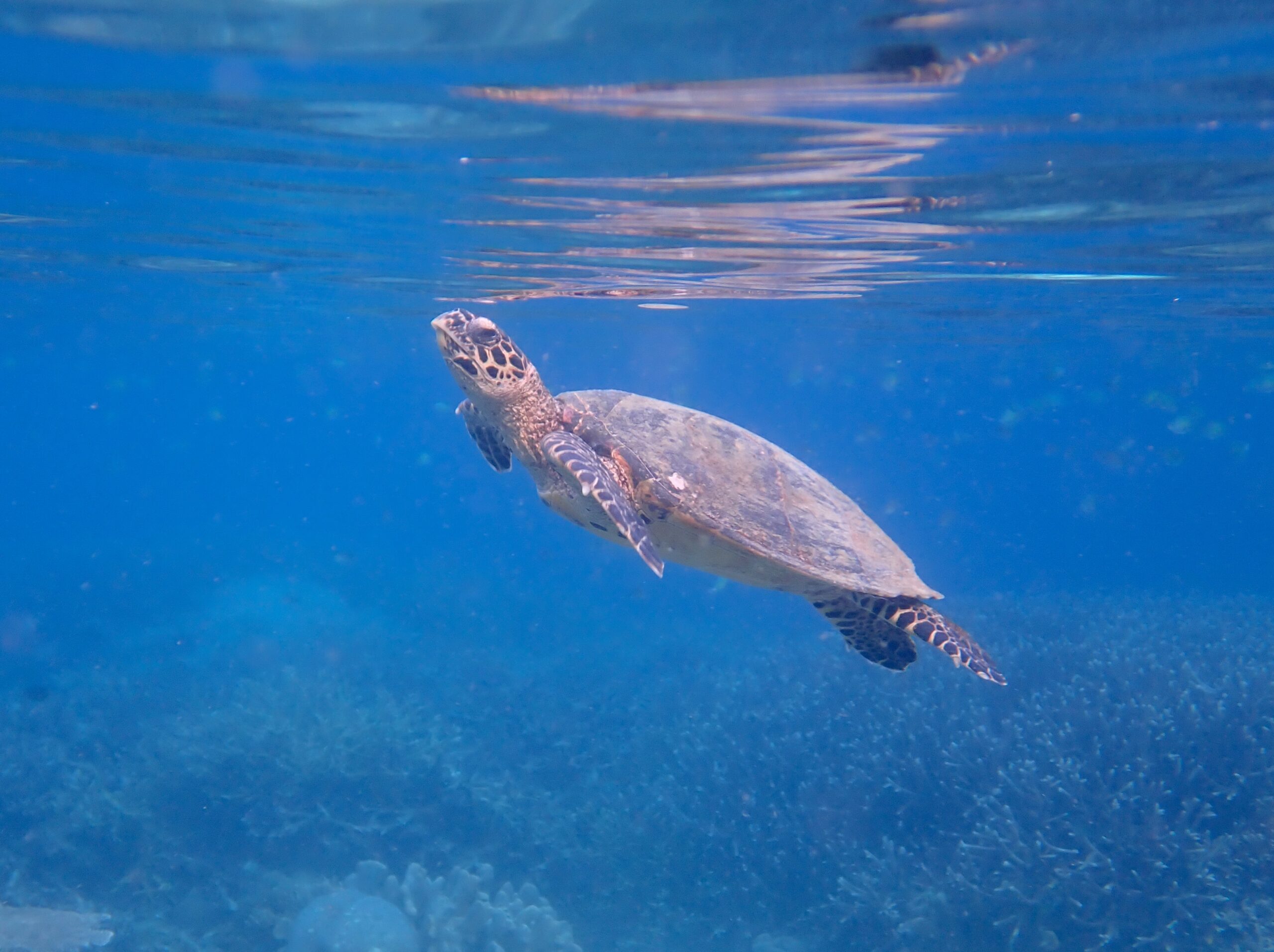
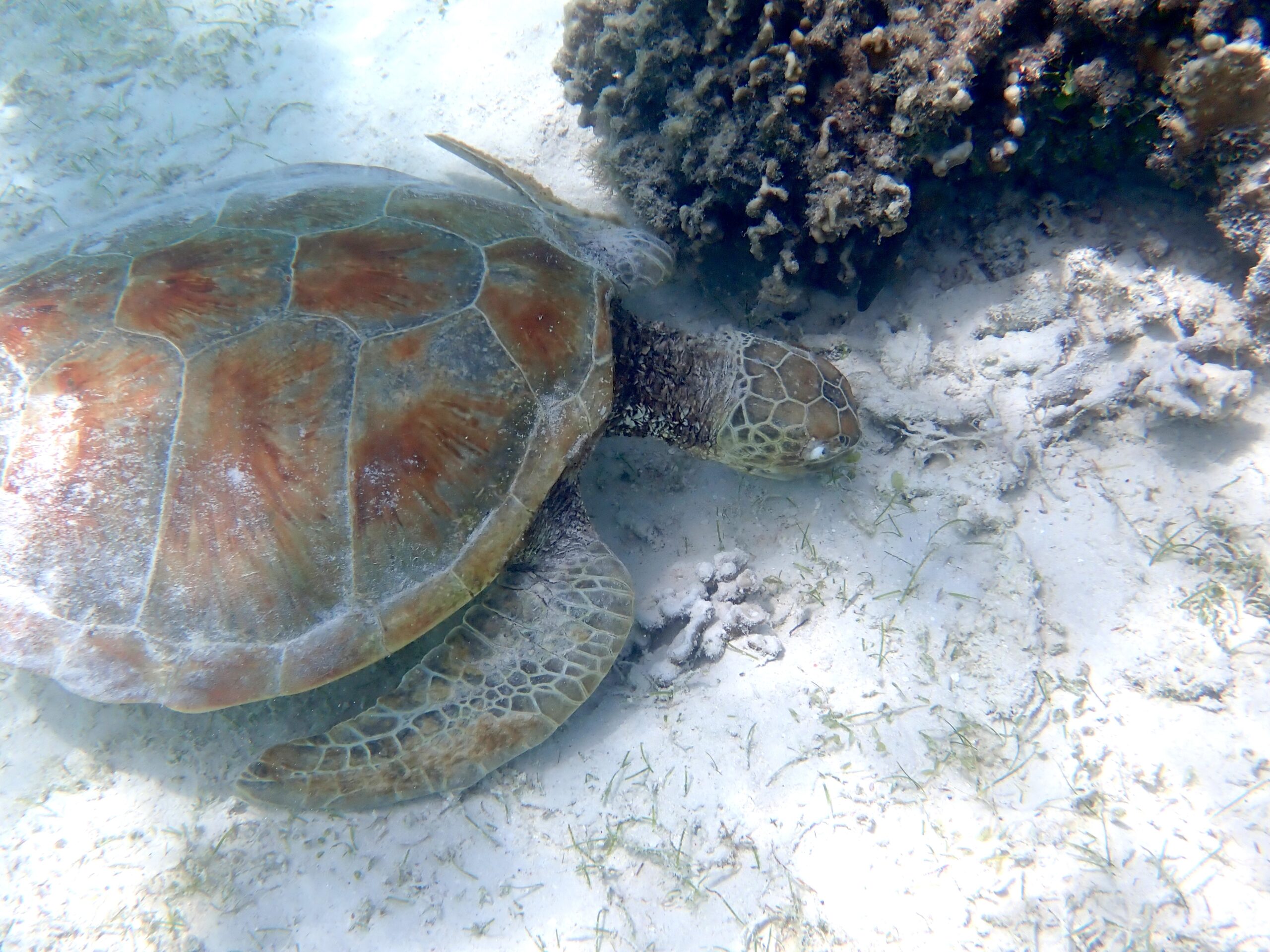
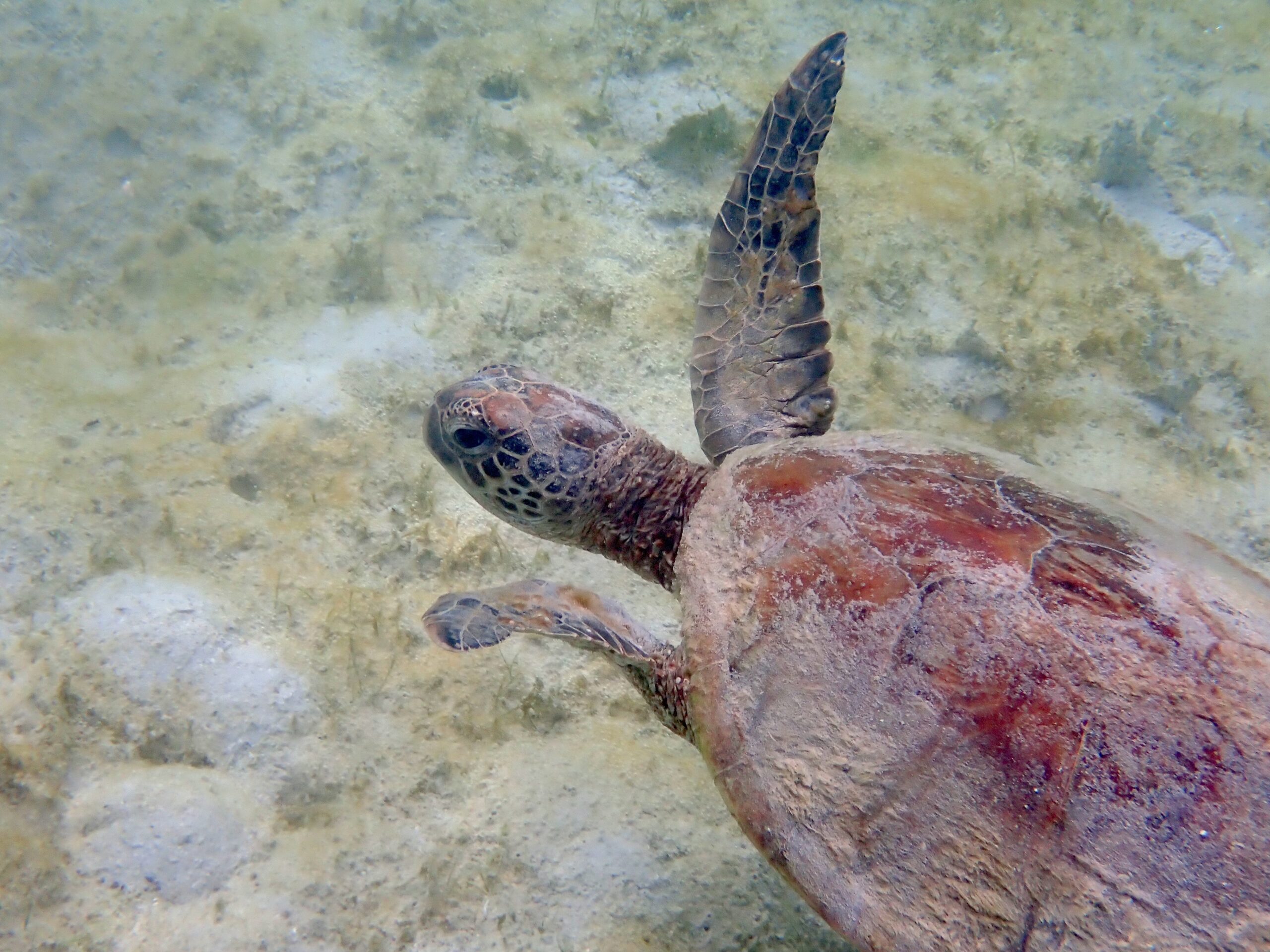
A total number of ?? species were identified during our 10 day trip, comprising ?? fish species, including several large open water species, such as the Humphead Parrotfish.    ?? hard and soft coral species were noted in addition to numerous echinoderms and colourful ascidians.  Turtles were observed on the house reef every day. 

There are three distinct areas with several subareas.  Area 1, referred to as the North Lagoon, is enclosed on three sides and has both a sandy seabed area and a shallow coral reef.  Enter from the shore or from the deck area steps.  Area 2 is along the channel, with entry from Area 1 or off the jetty.  Be aware of the current directions.  Area 3 can be reached by swimming from Area 2 or off South Beach directly, although on some low tides access is limited from the beach.  This area has a deeper area in the middle of the bay, referred to as the Blue Hole. 
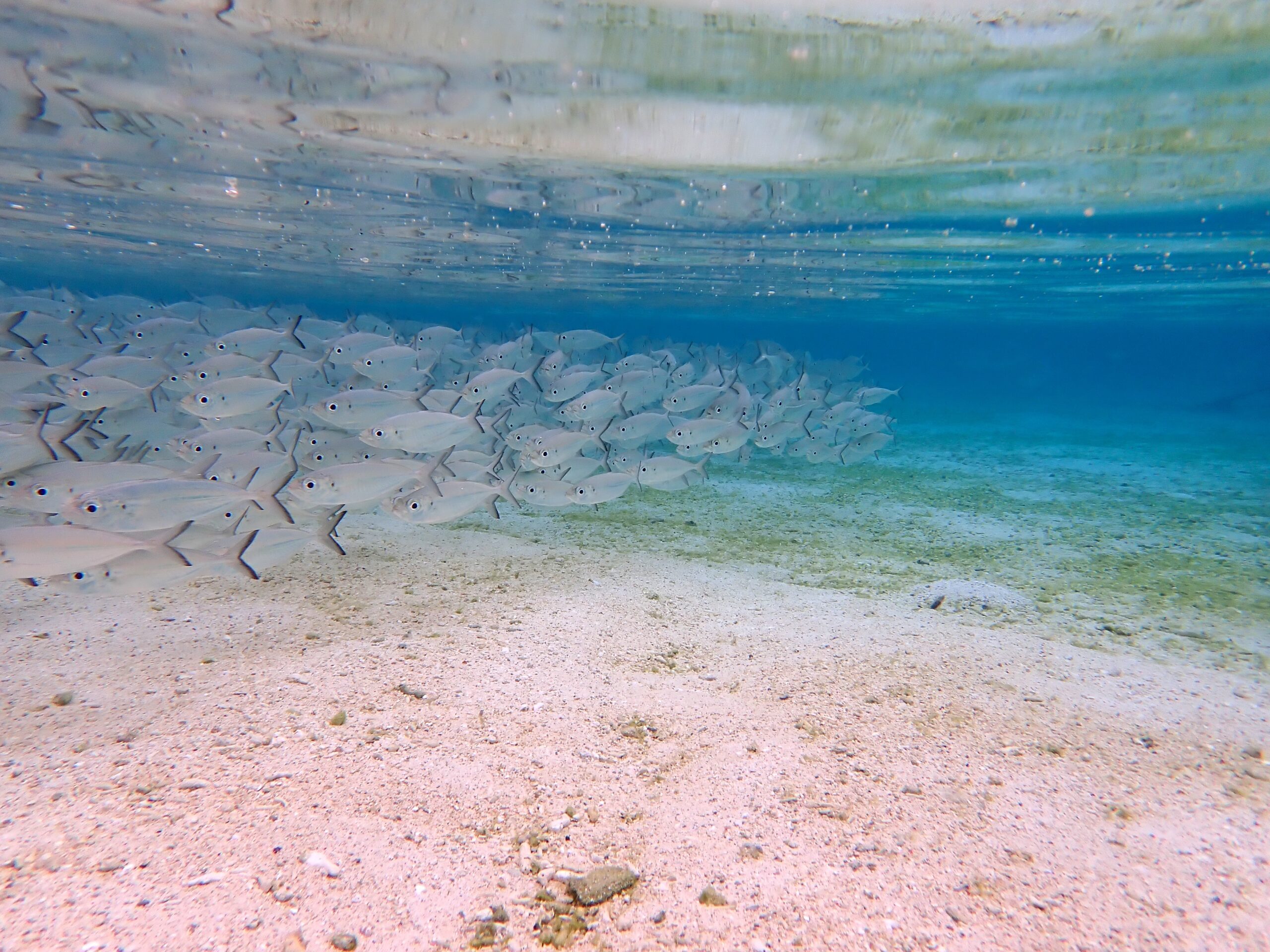
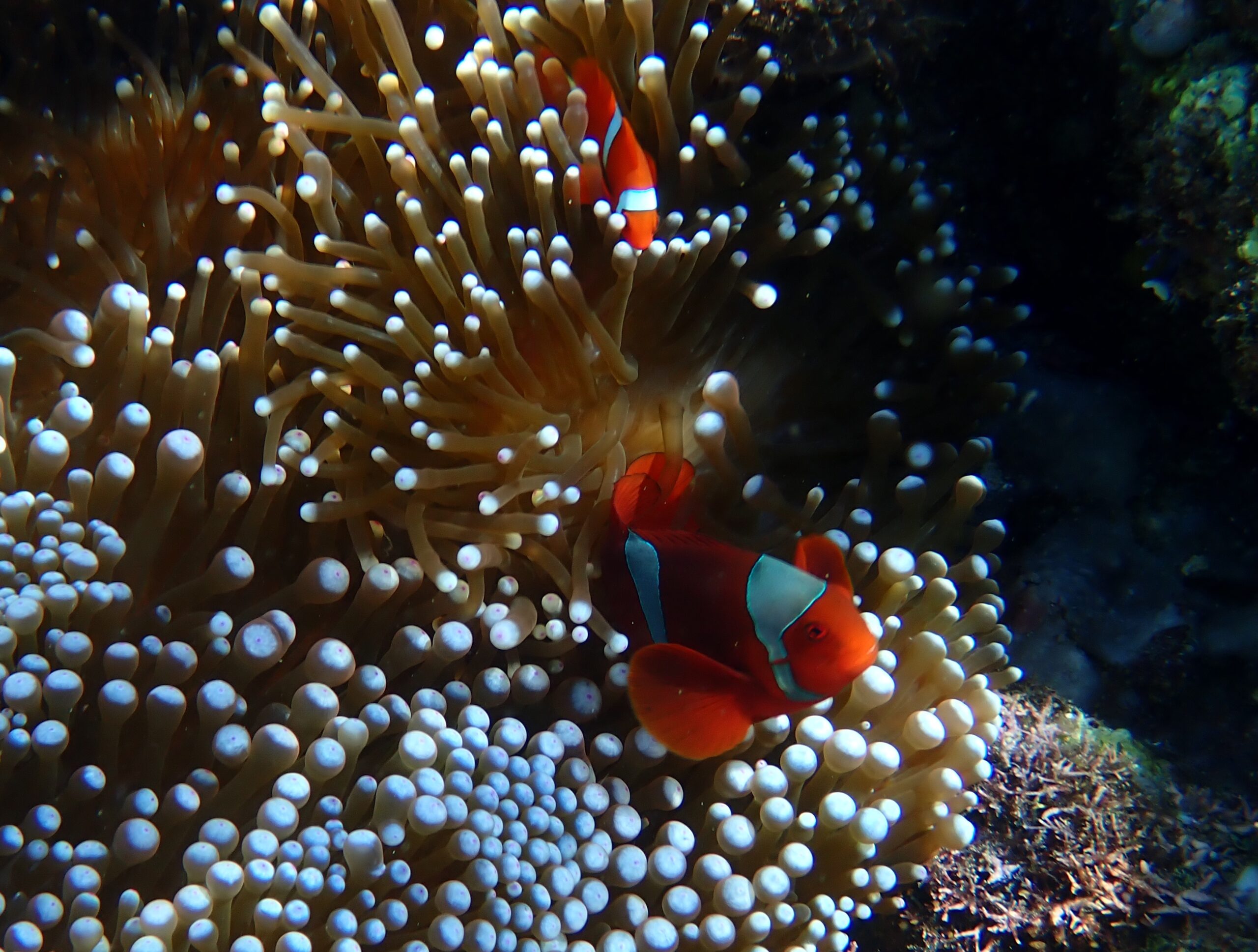
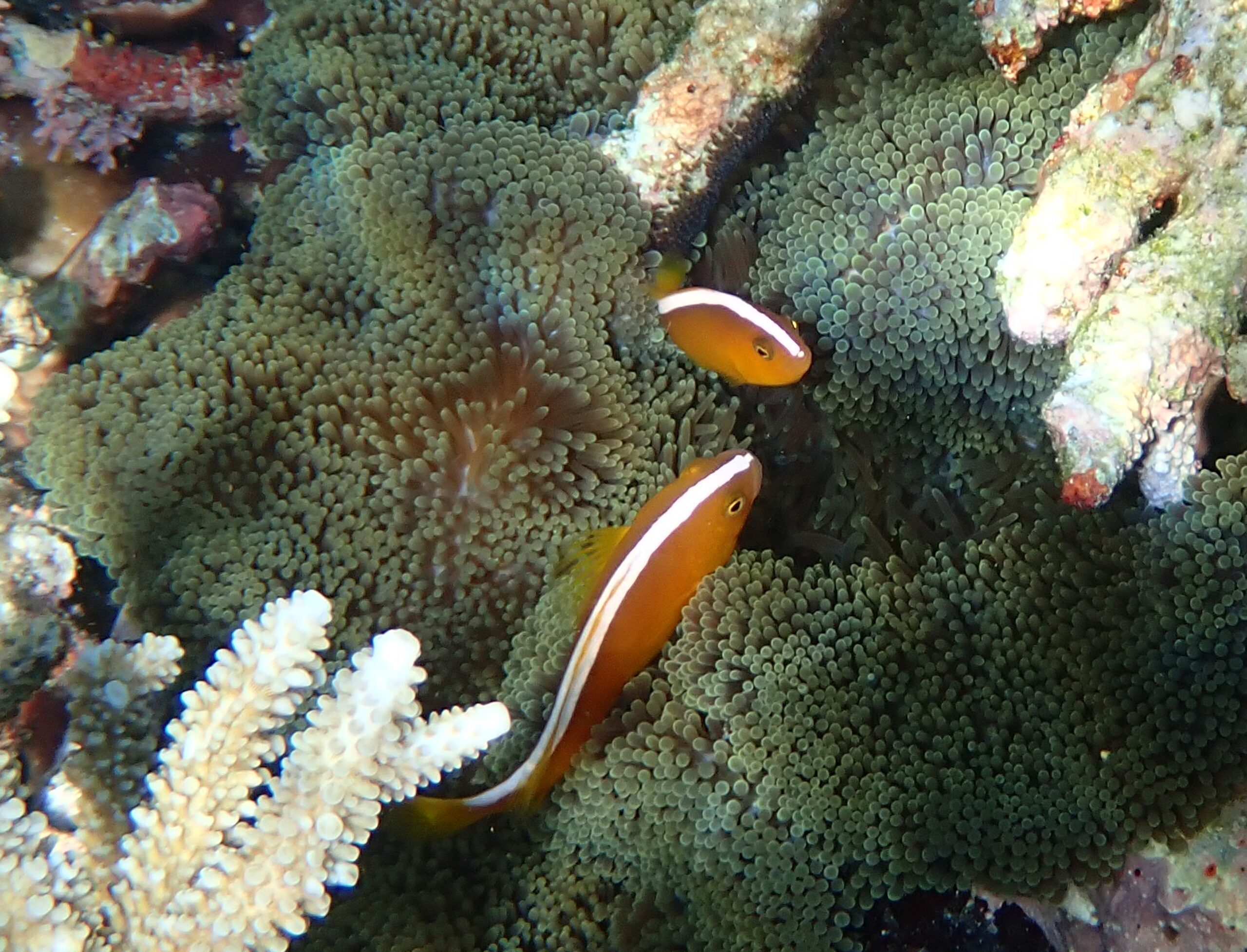
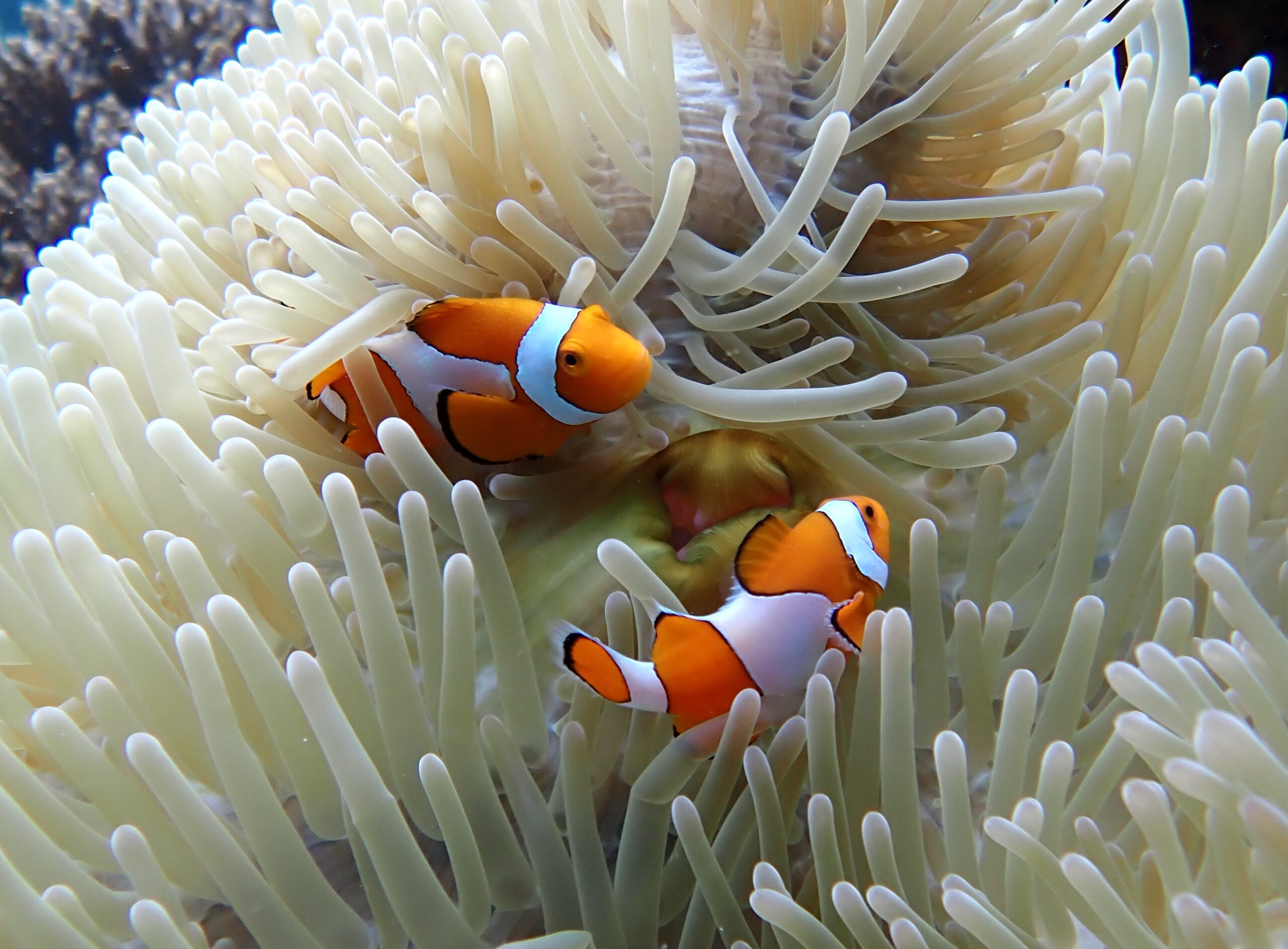
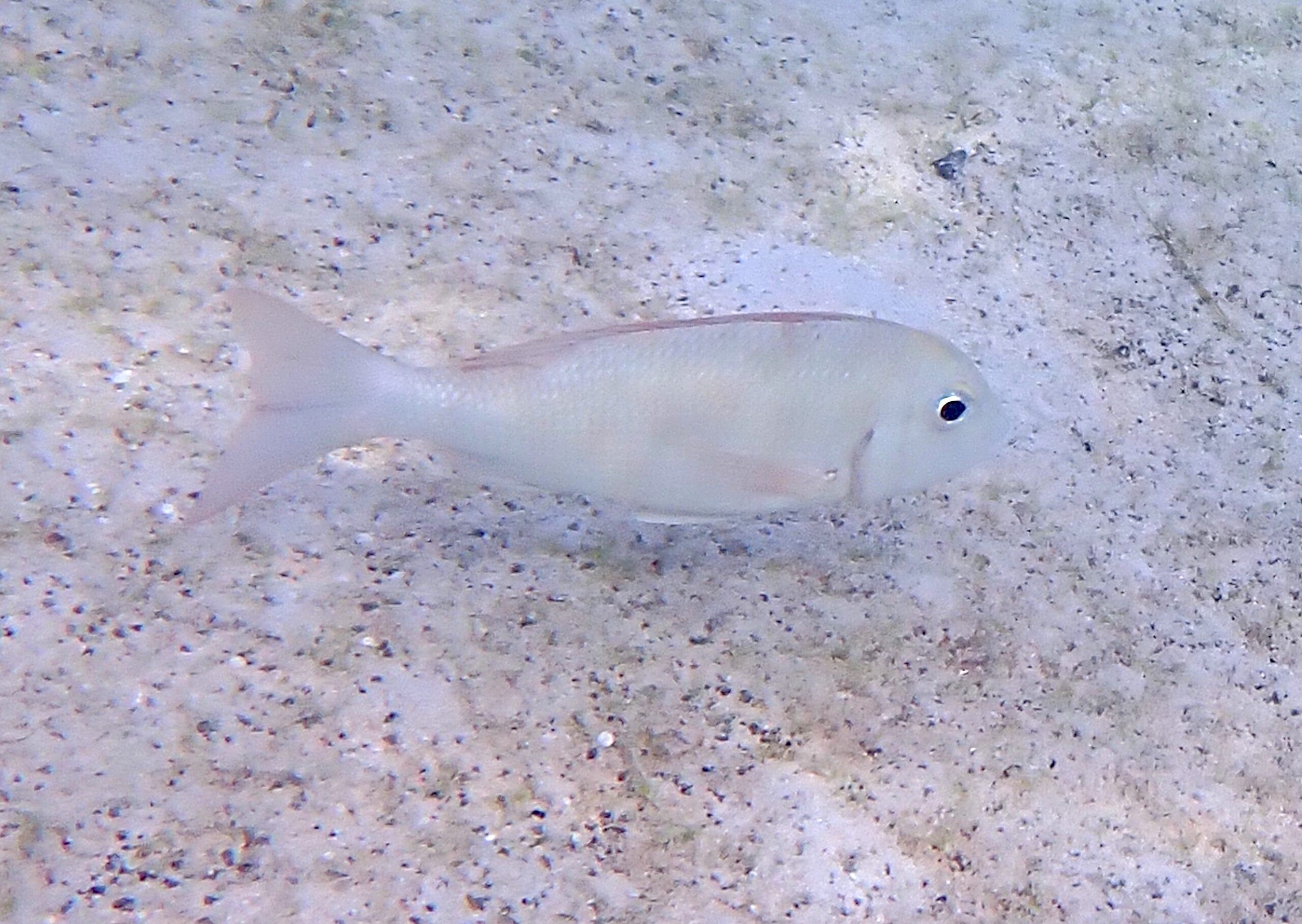
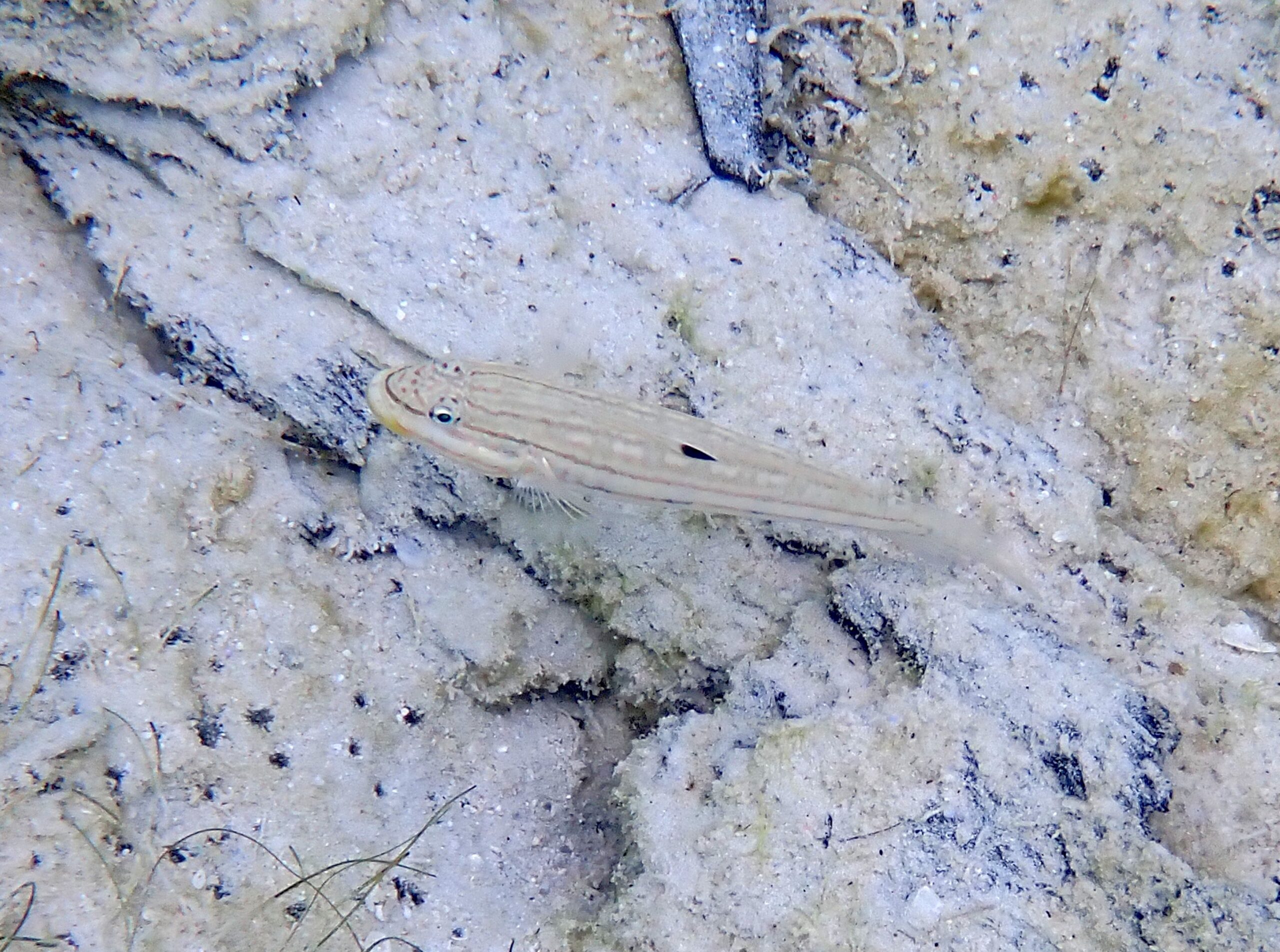
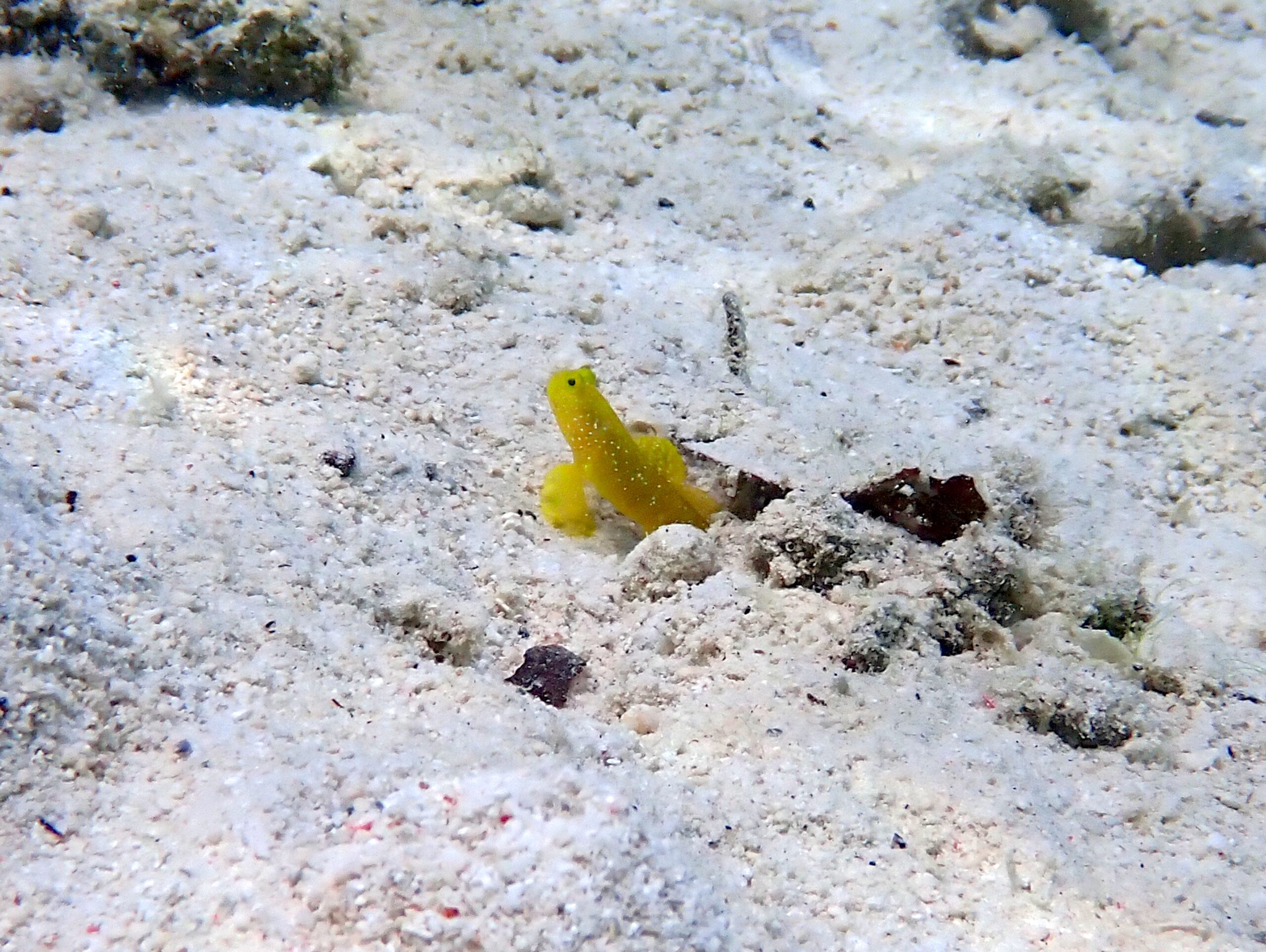
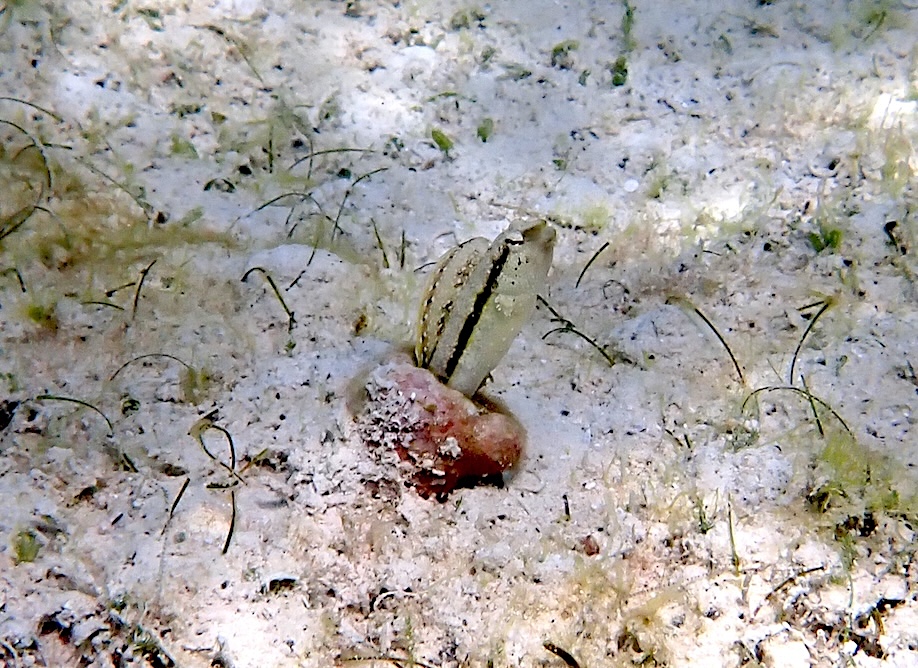
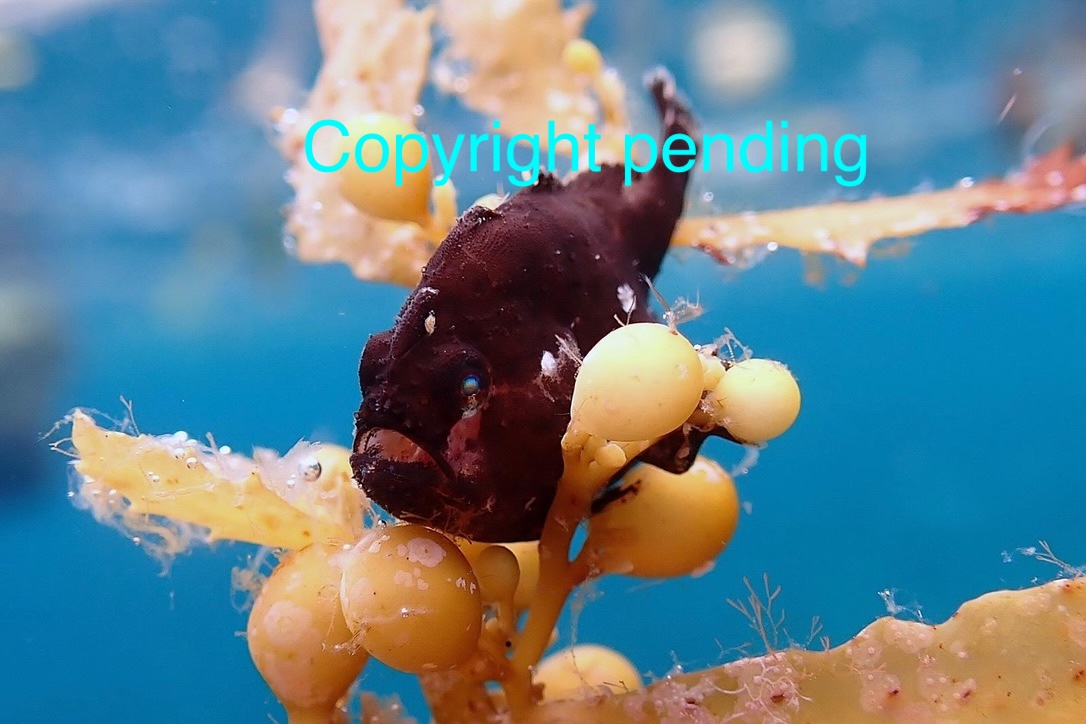
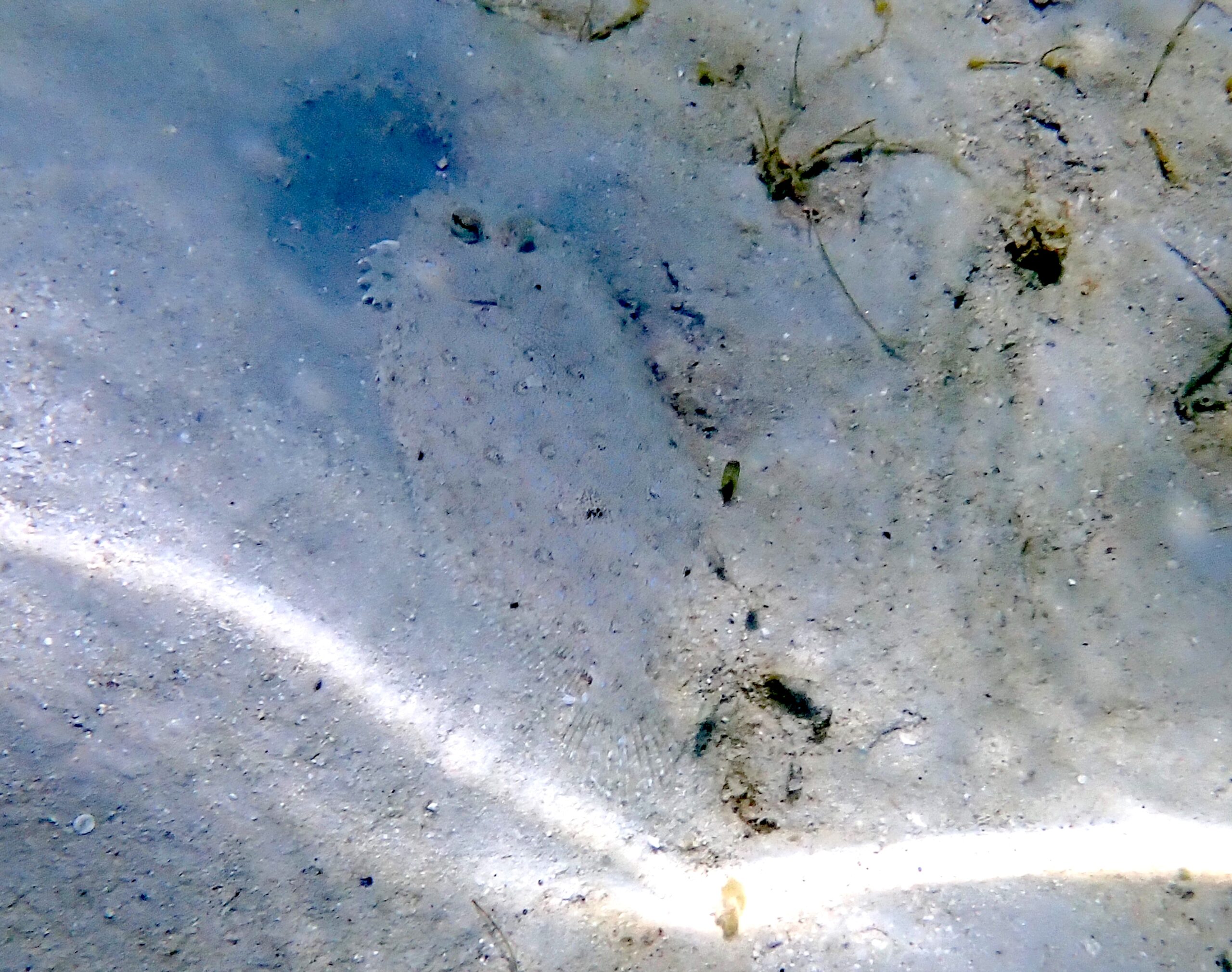
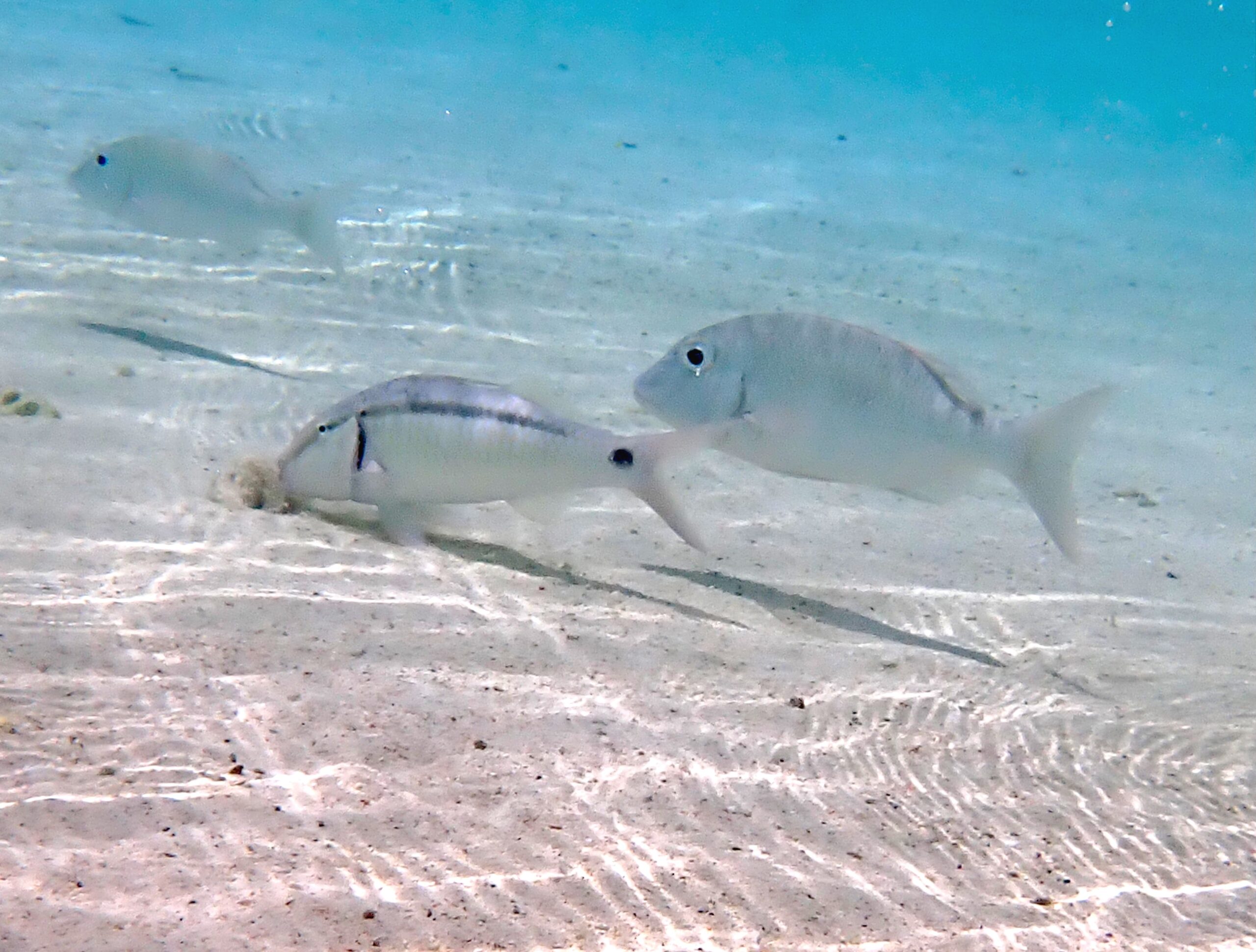
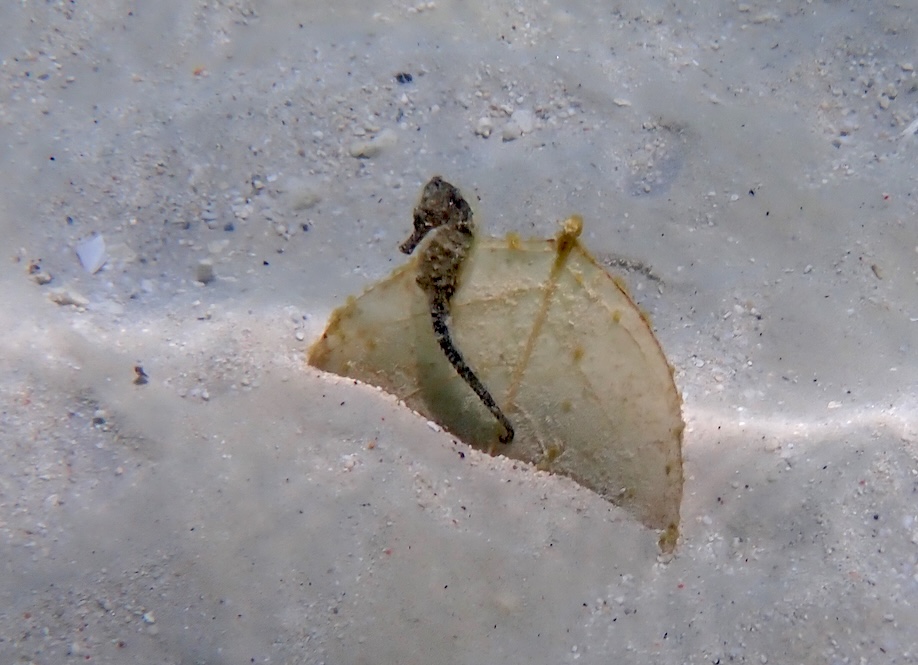
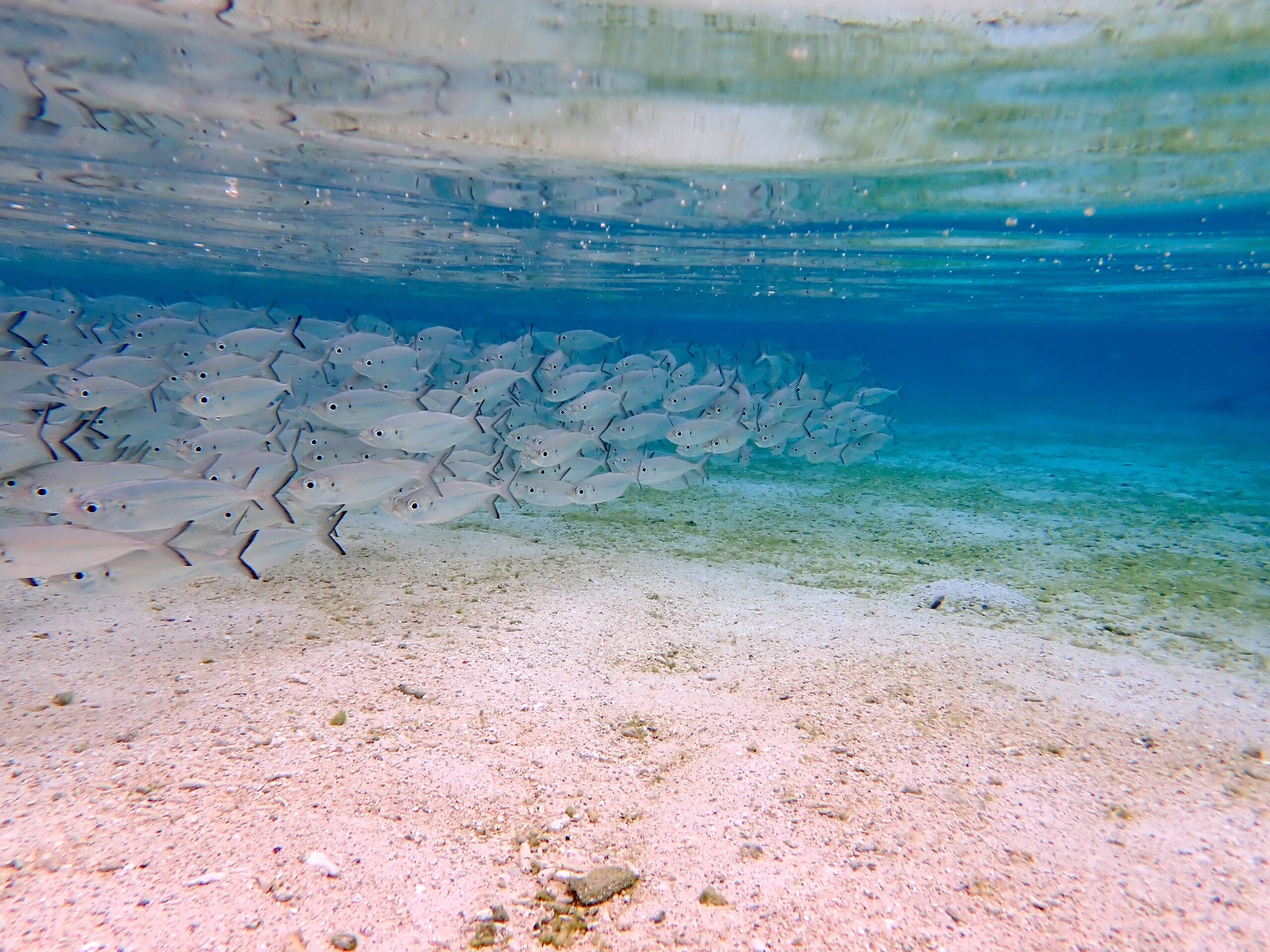
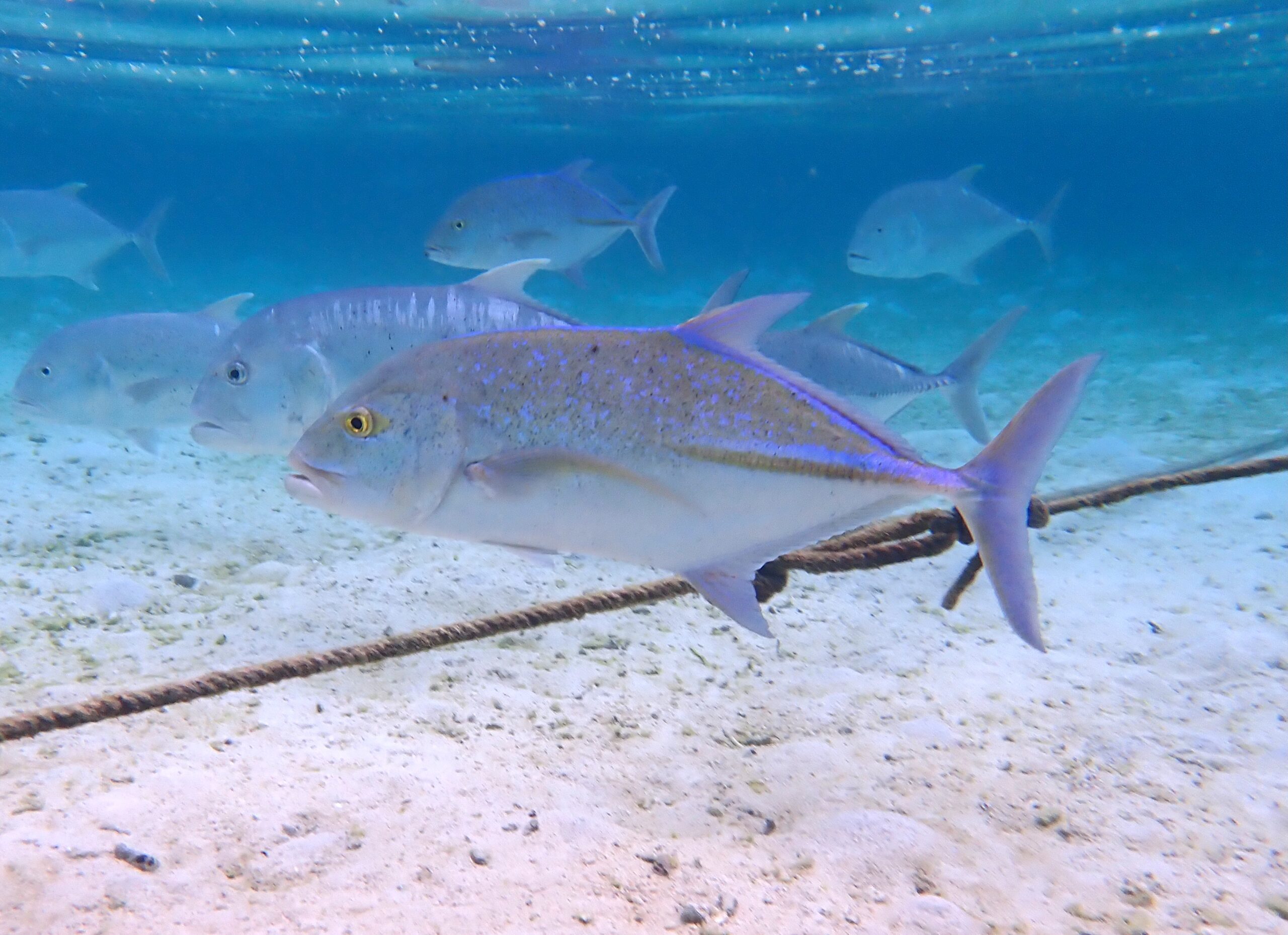
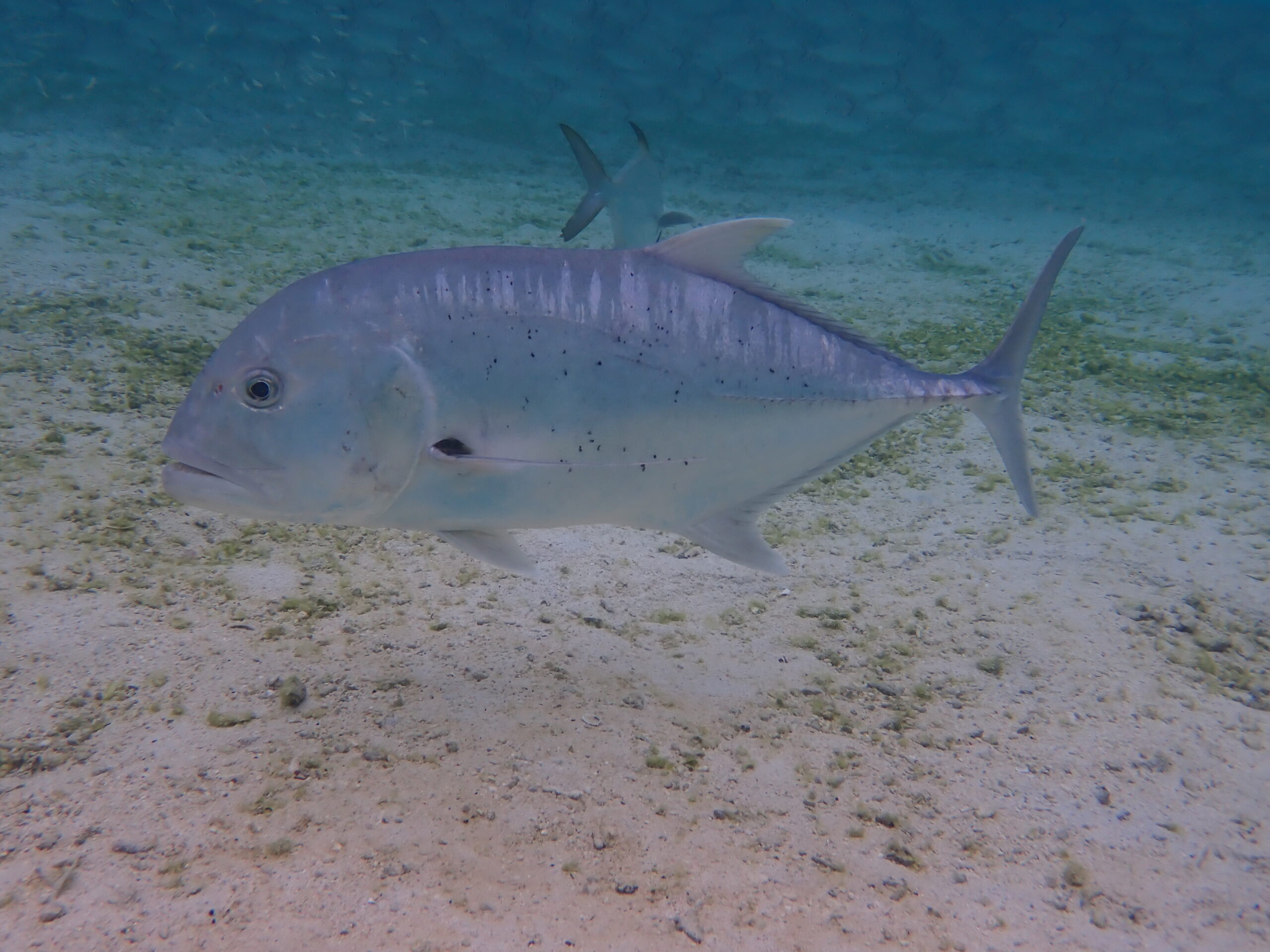
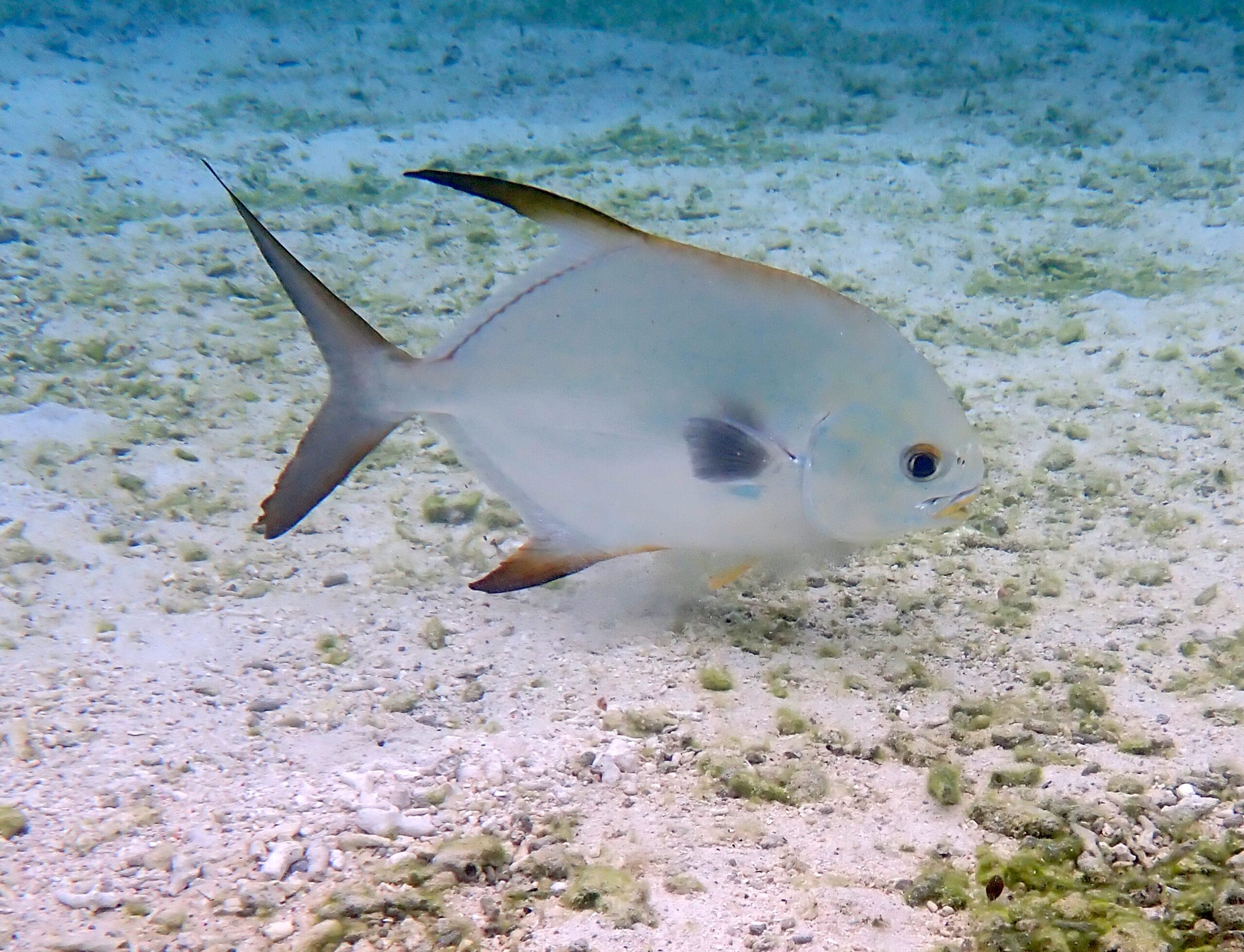
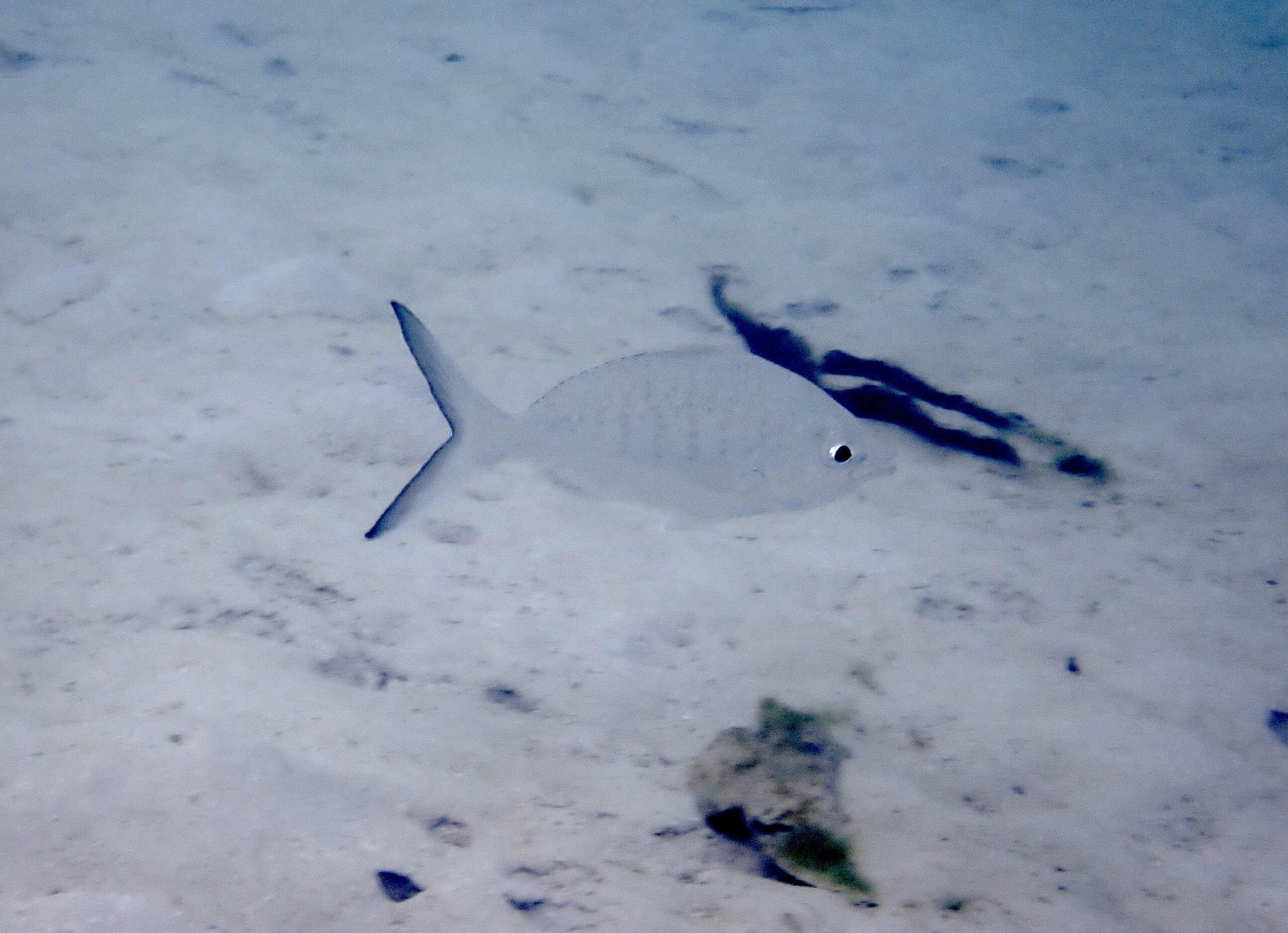
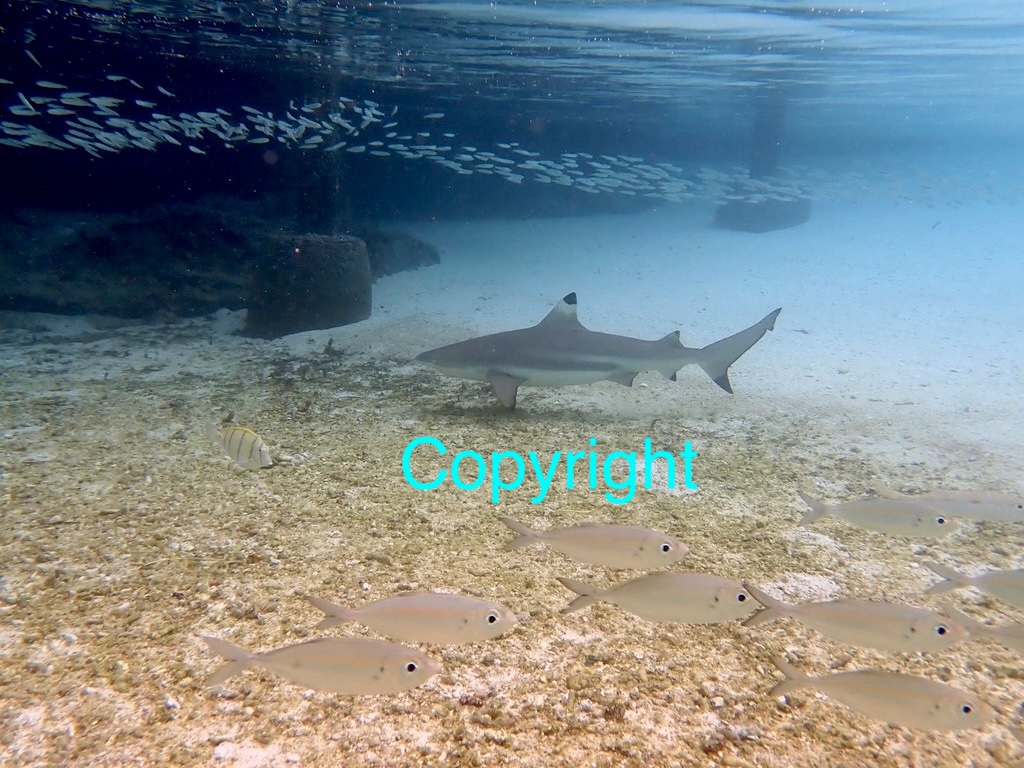
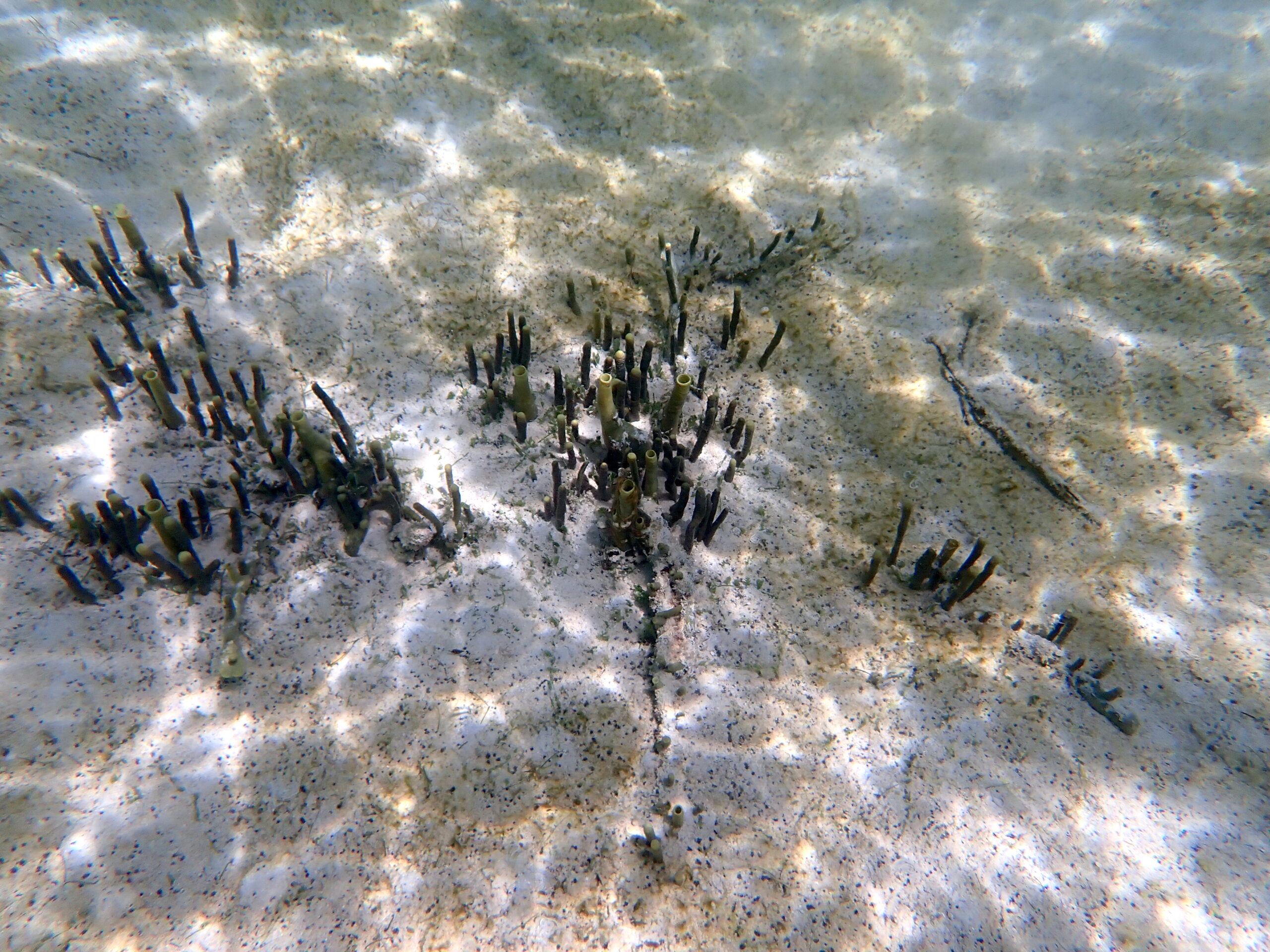
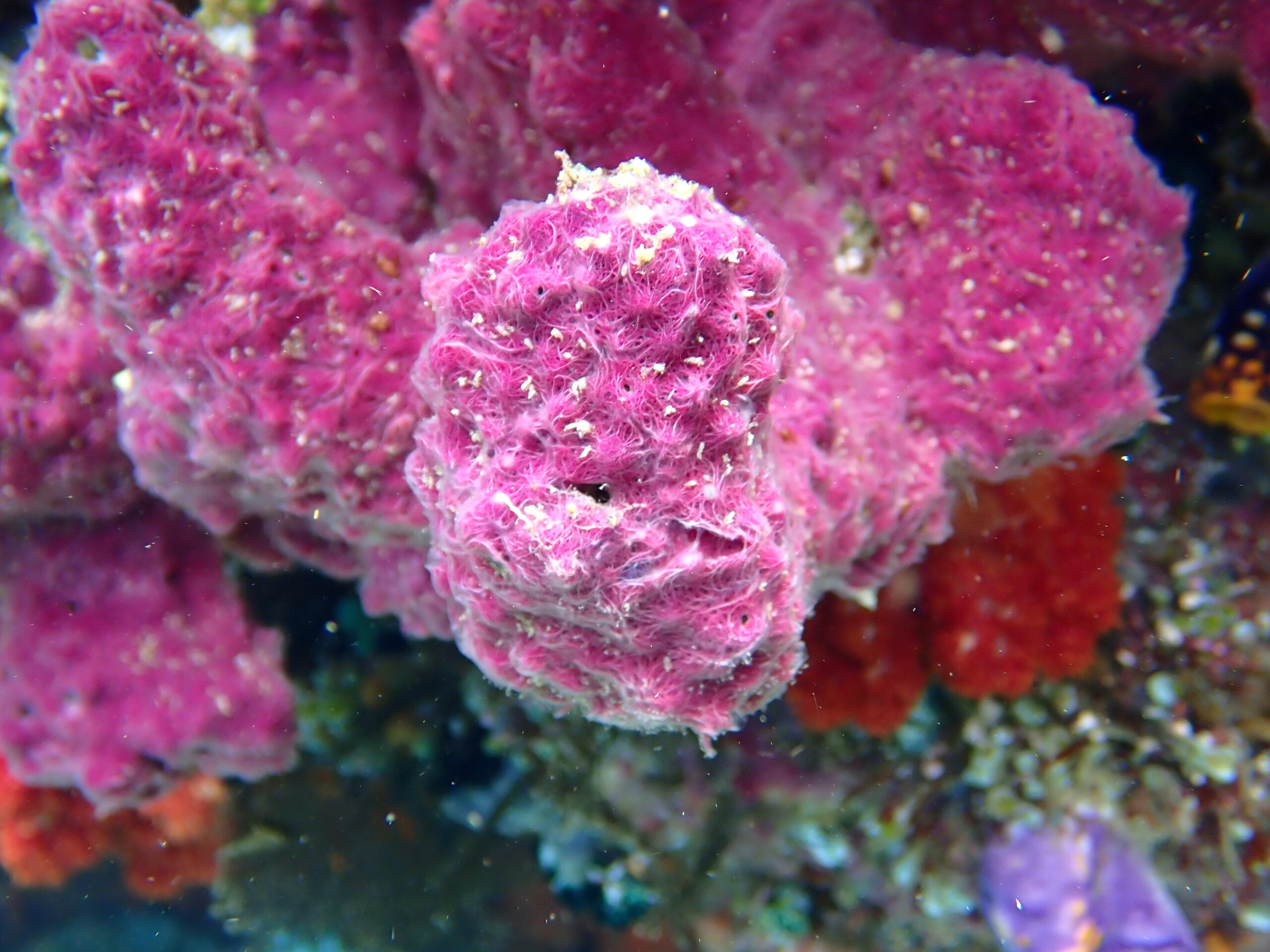
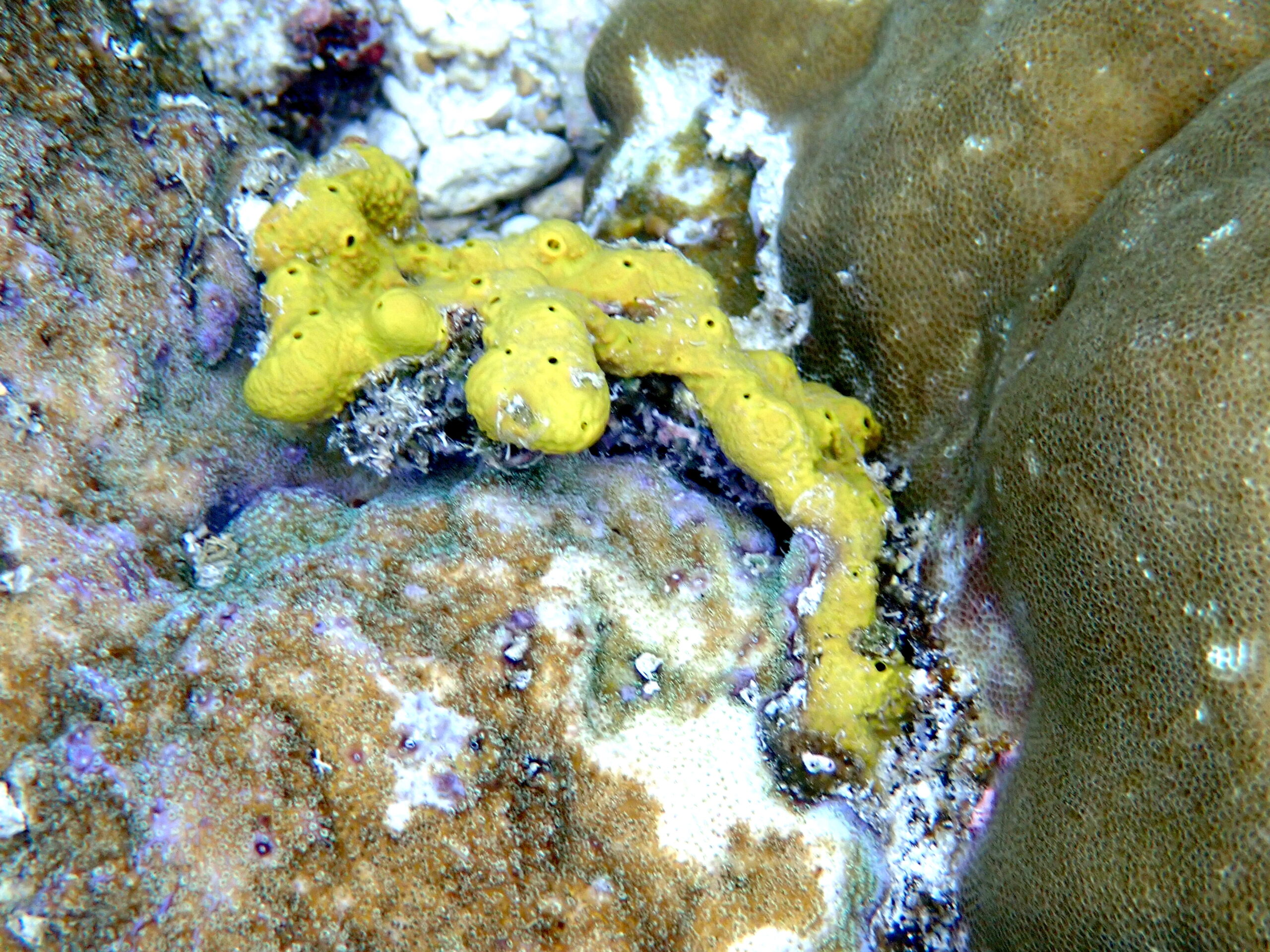
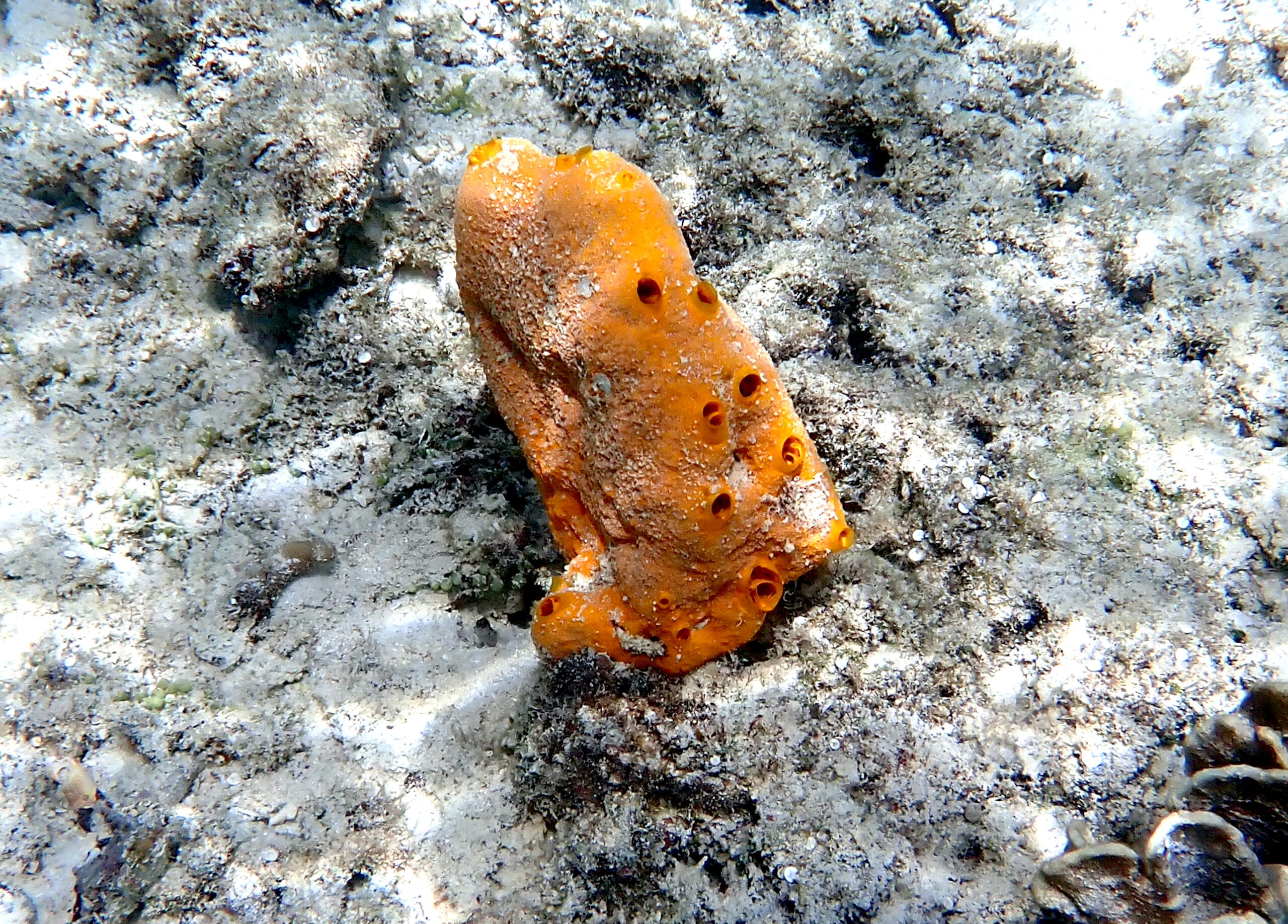
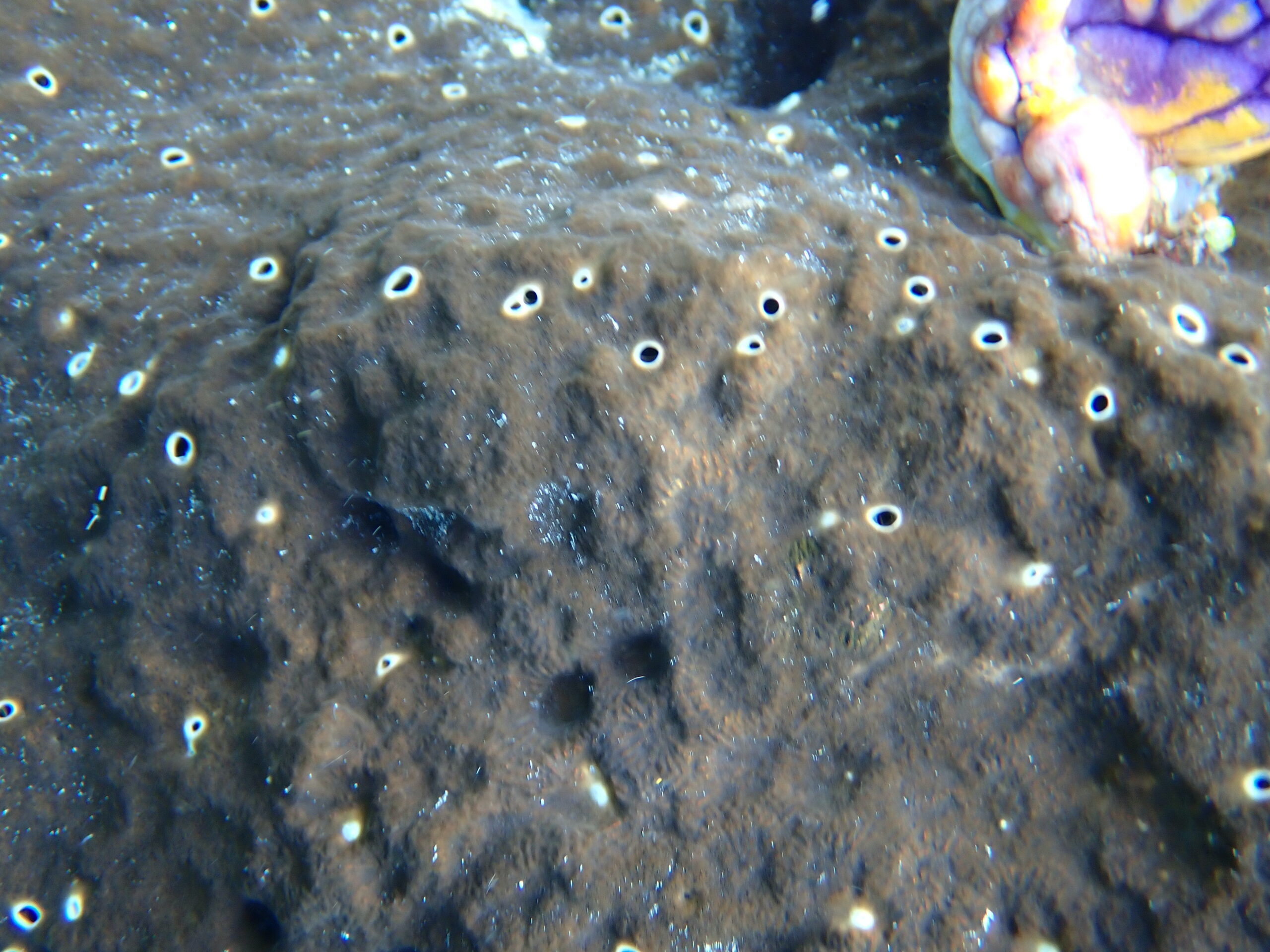
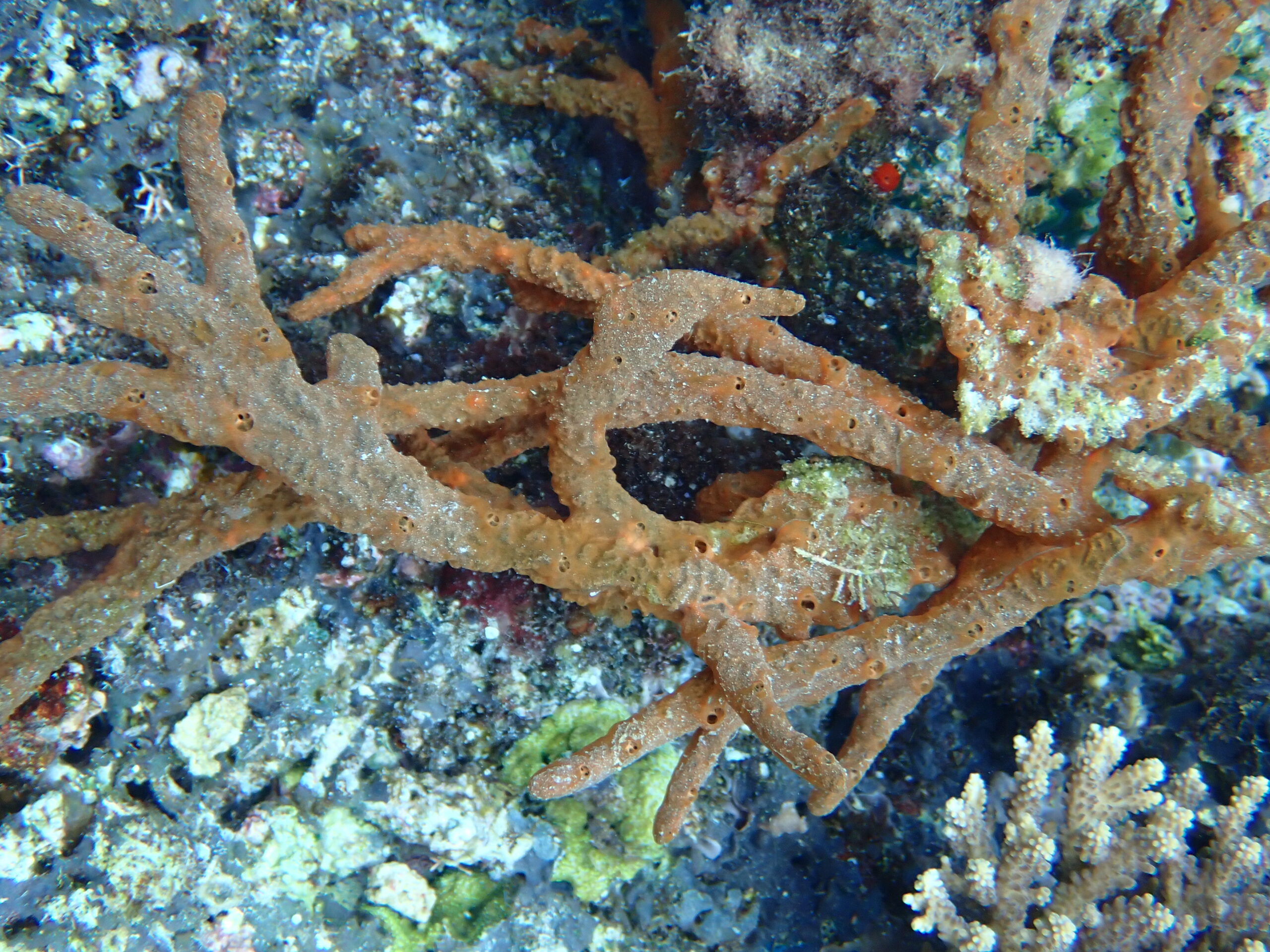
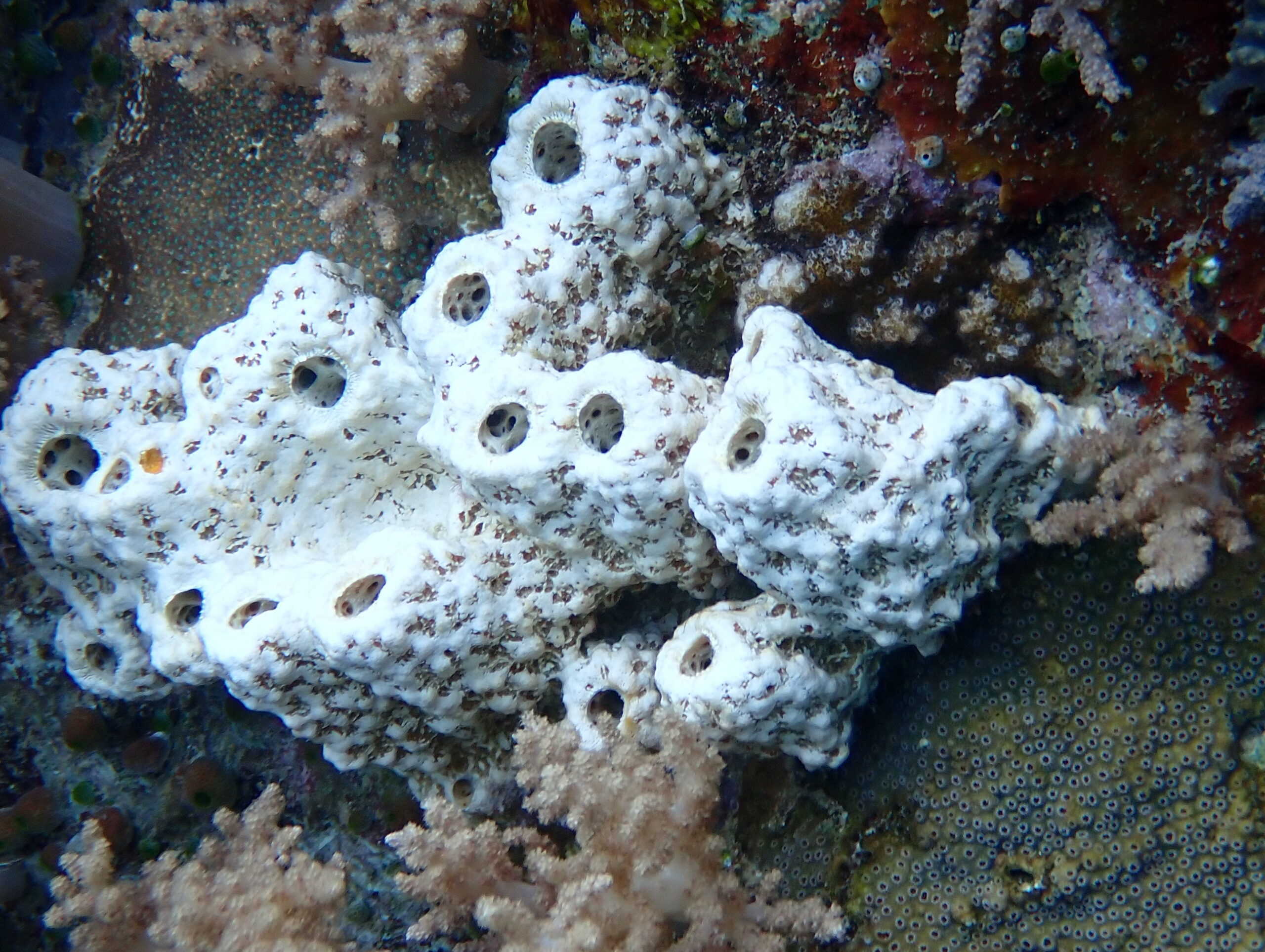
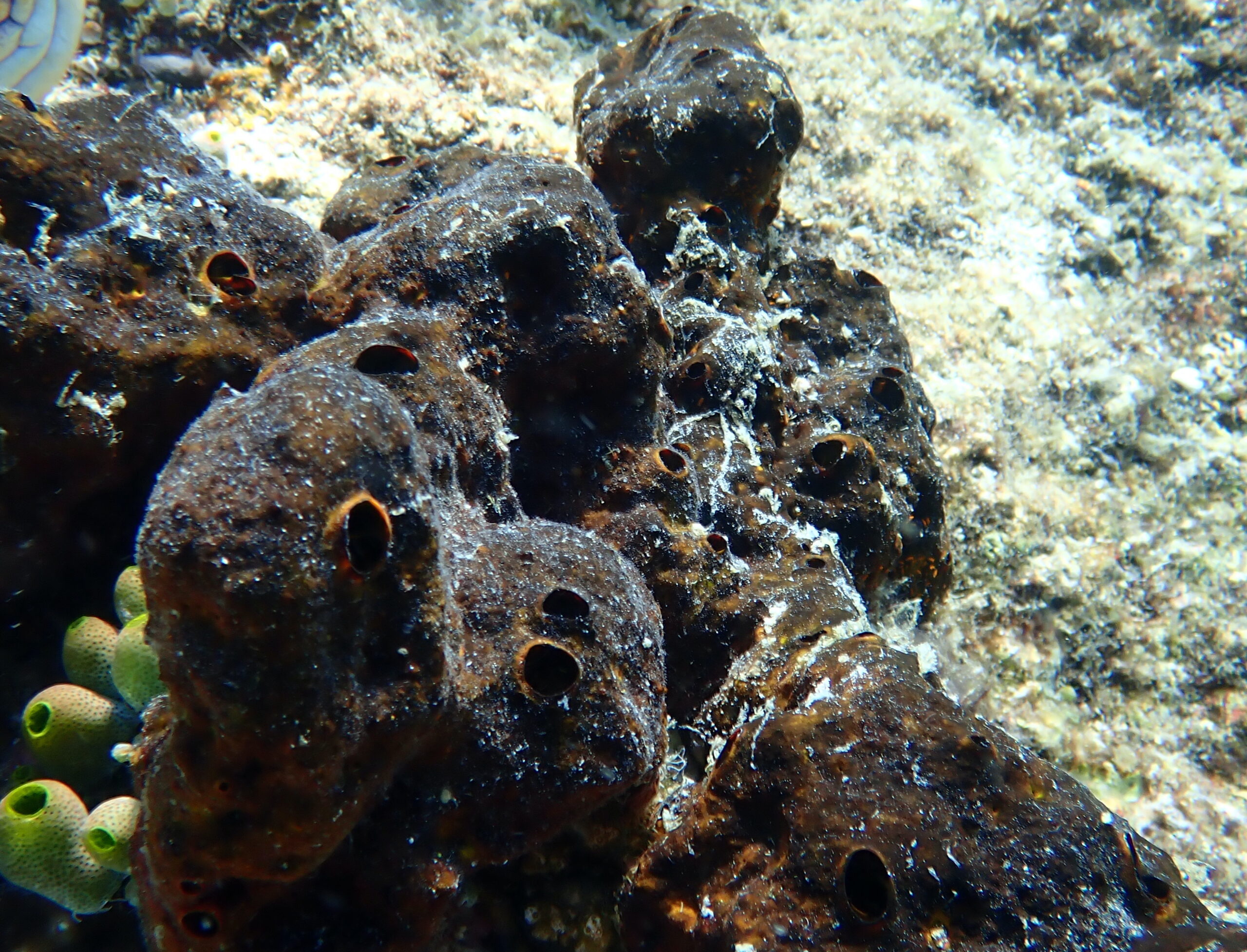
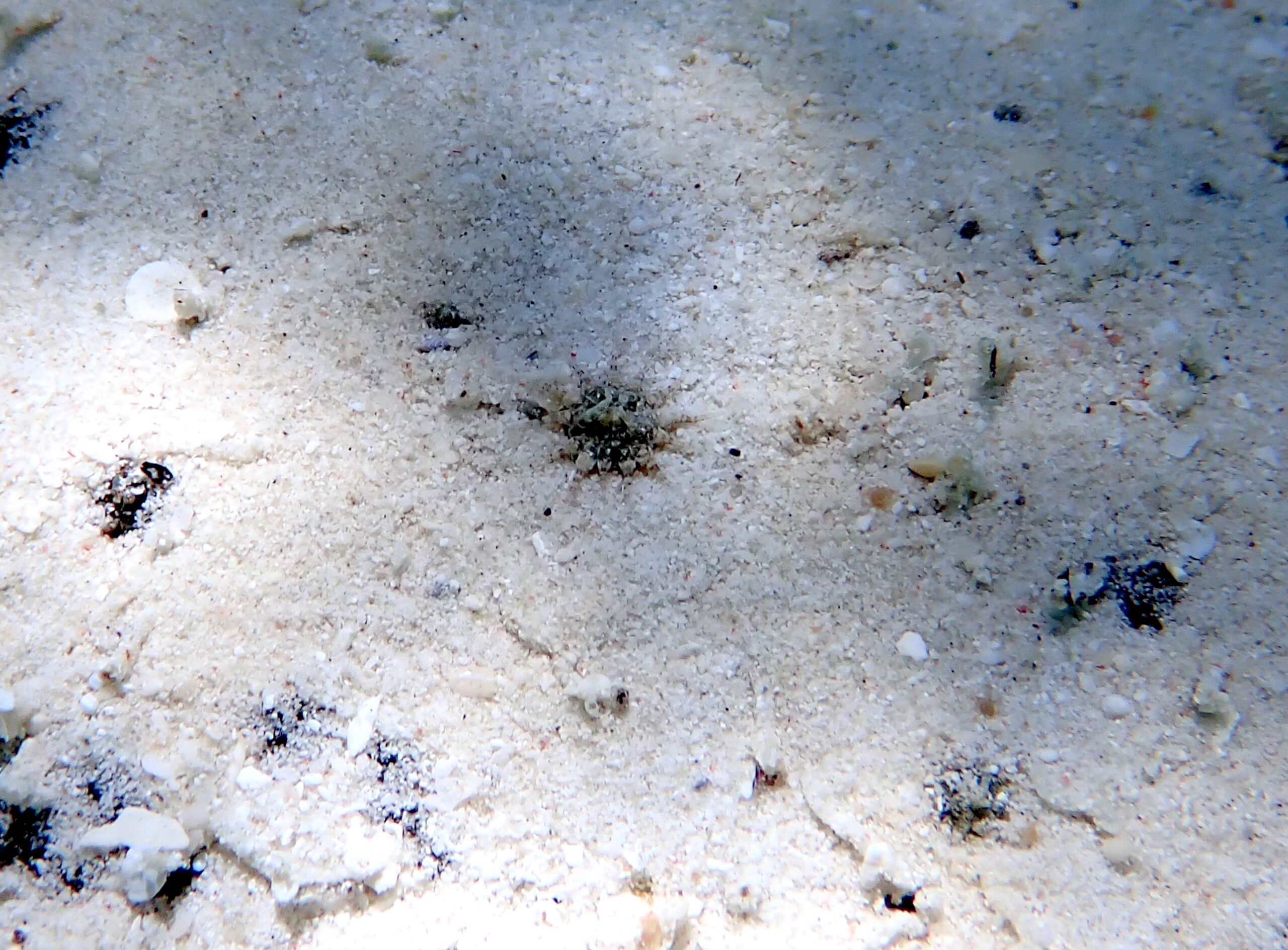
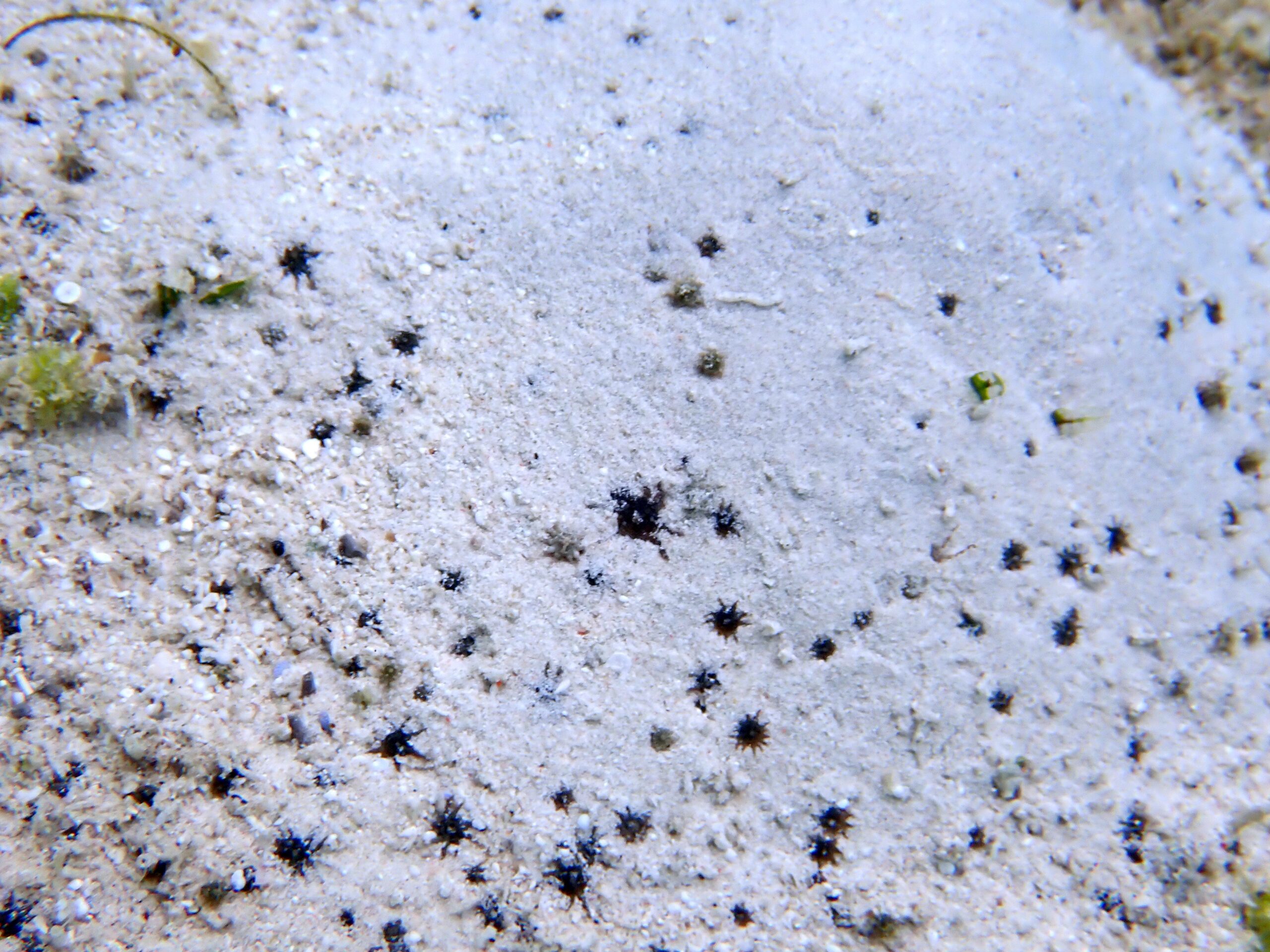
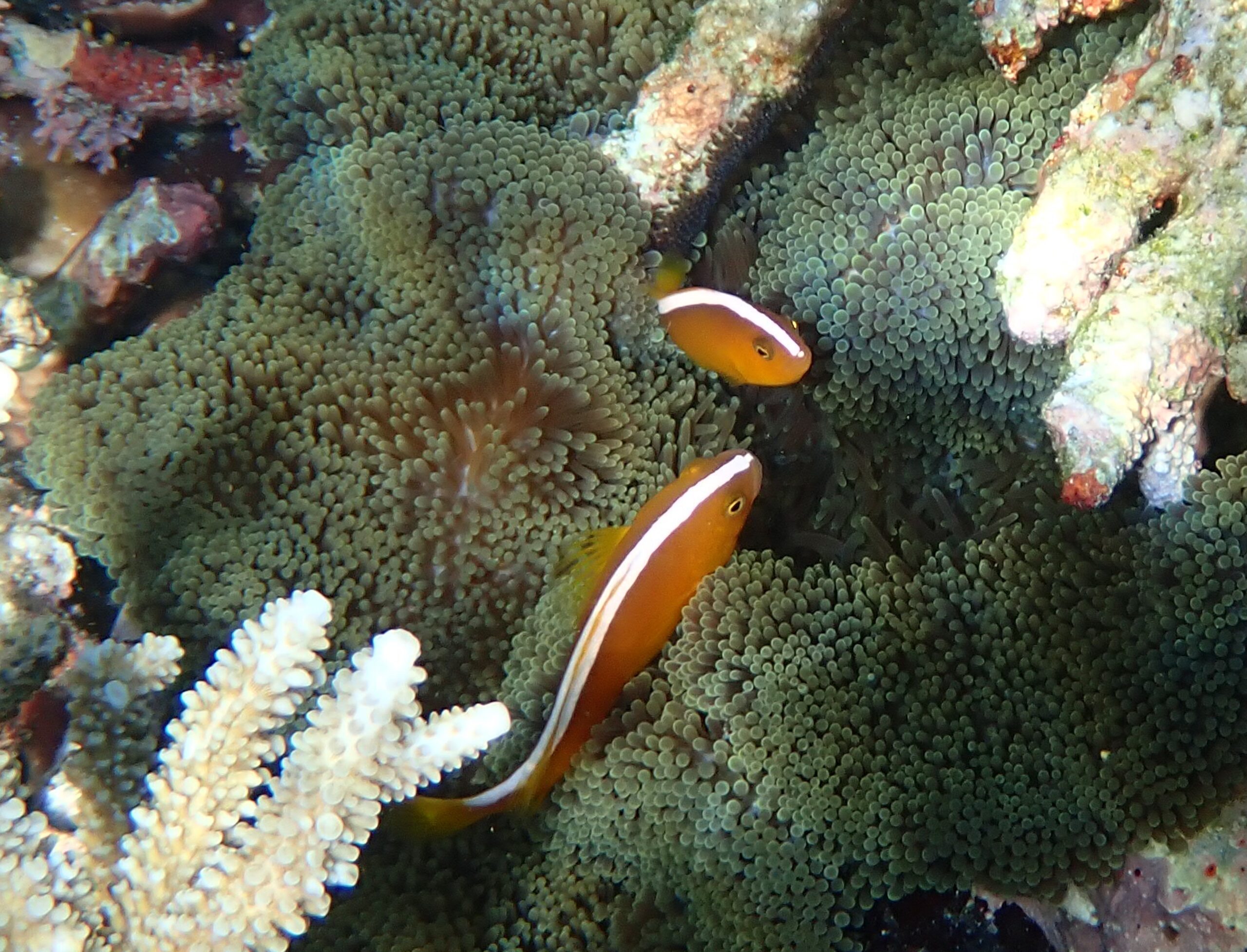
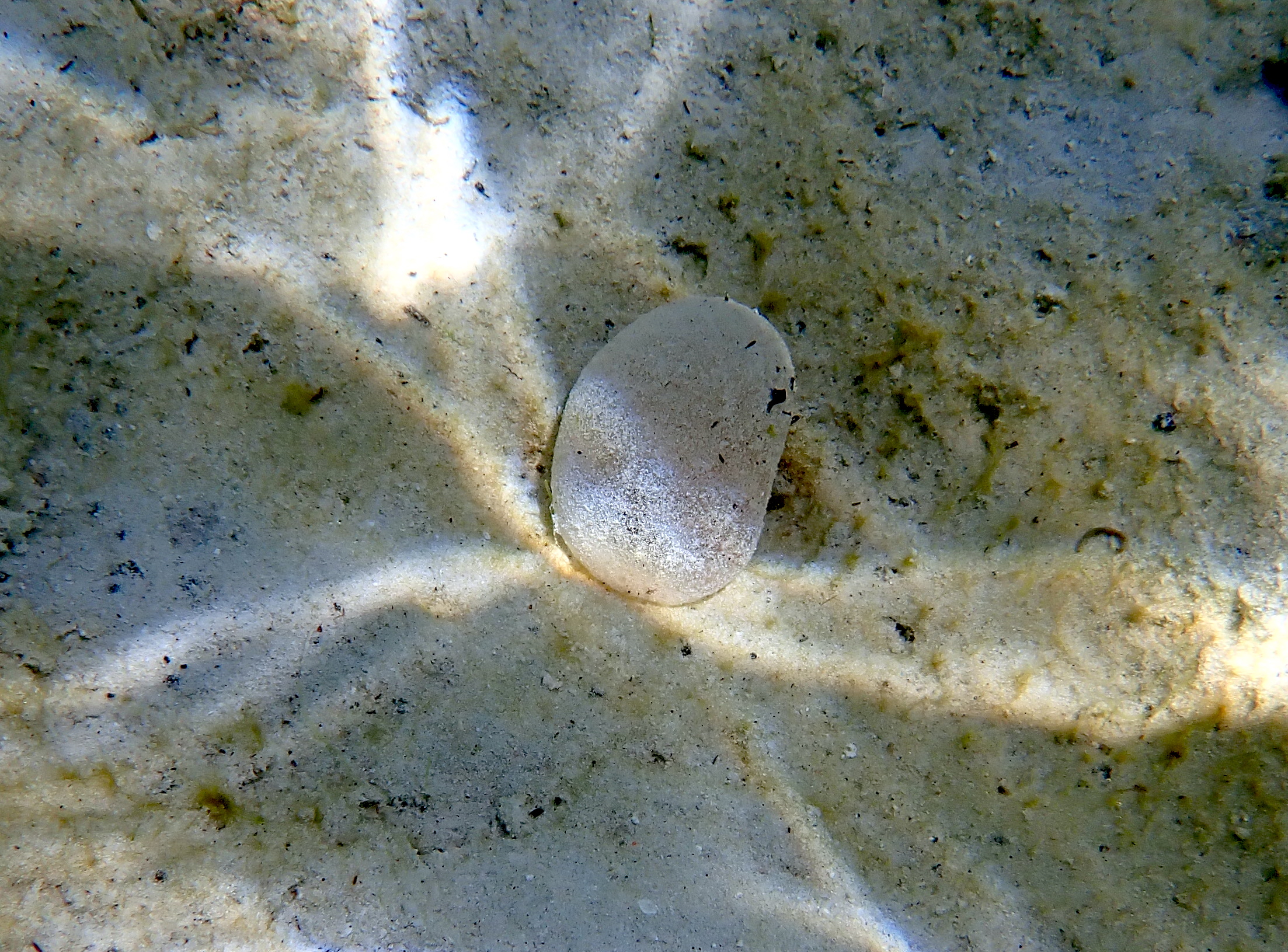
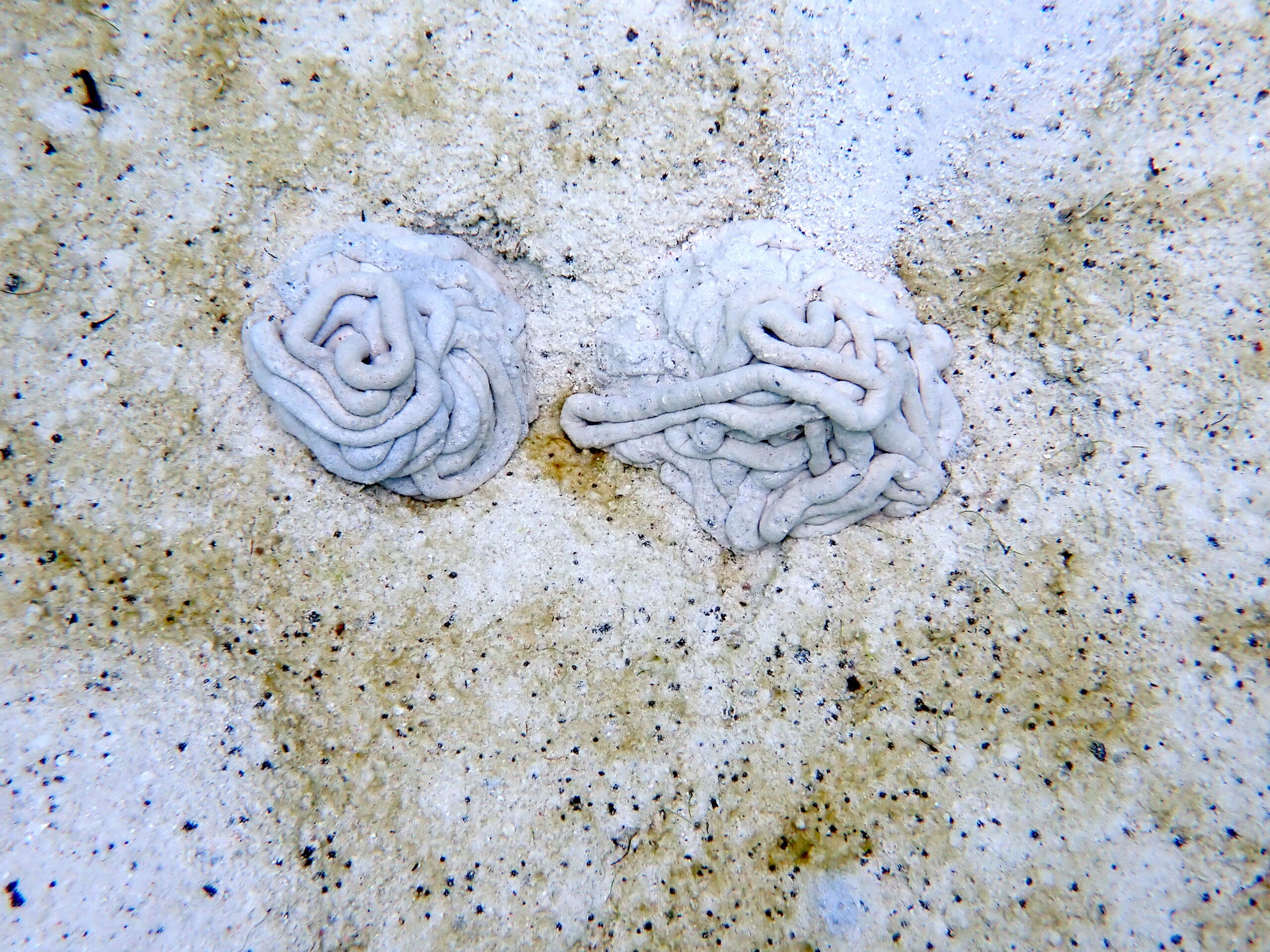
Much of Area 1 is made up of sandy sediments with patches of seagrass, some unusual sponges, very small anemones and the occasional Seahorse.  During our visit the sand areas also housed a large population of Oxeye Scad, which was preyed upon by both Bluefin and Giant Trevally.
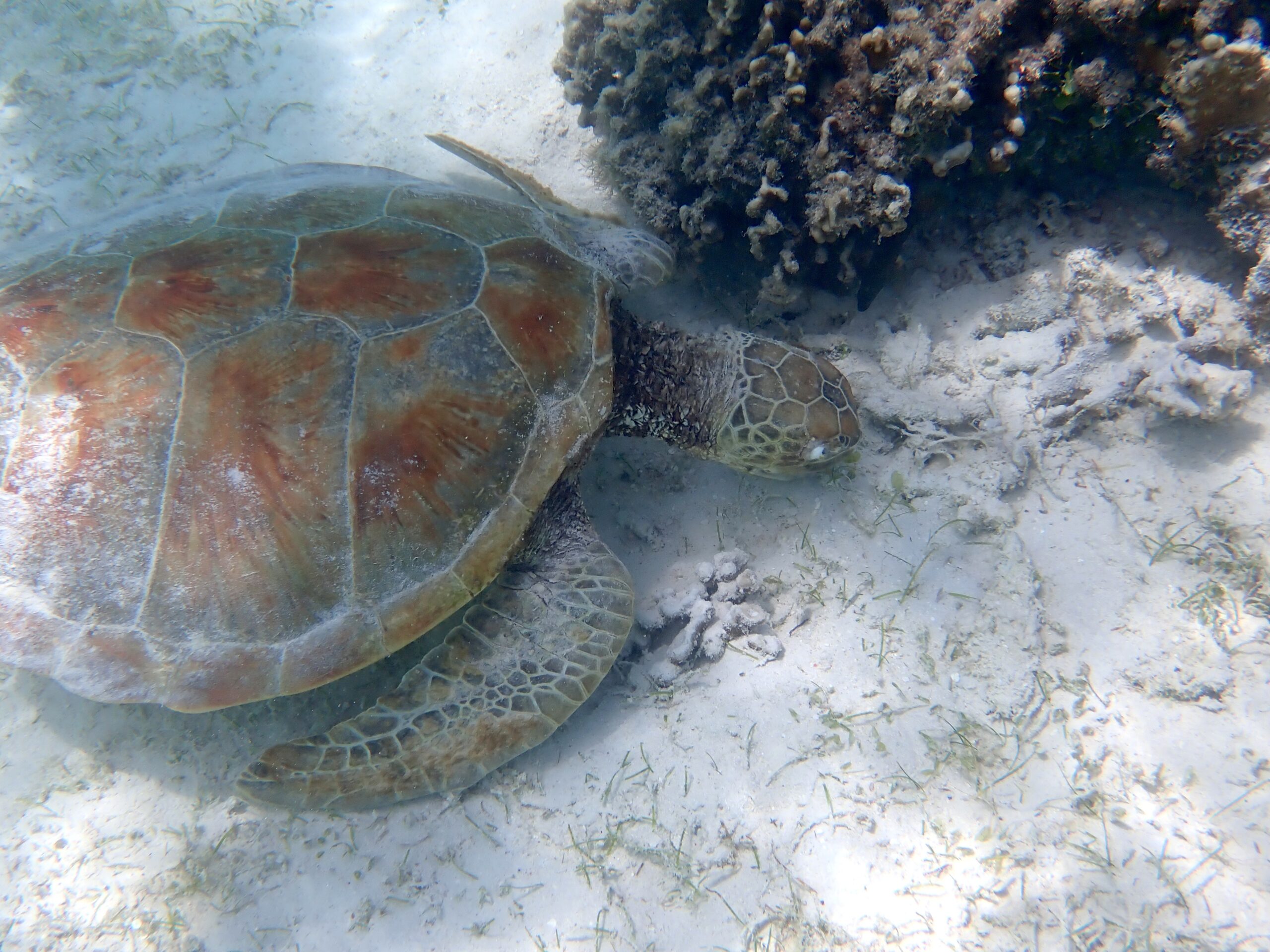
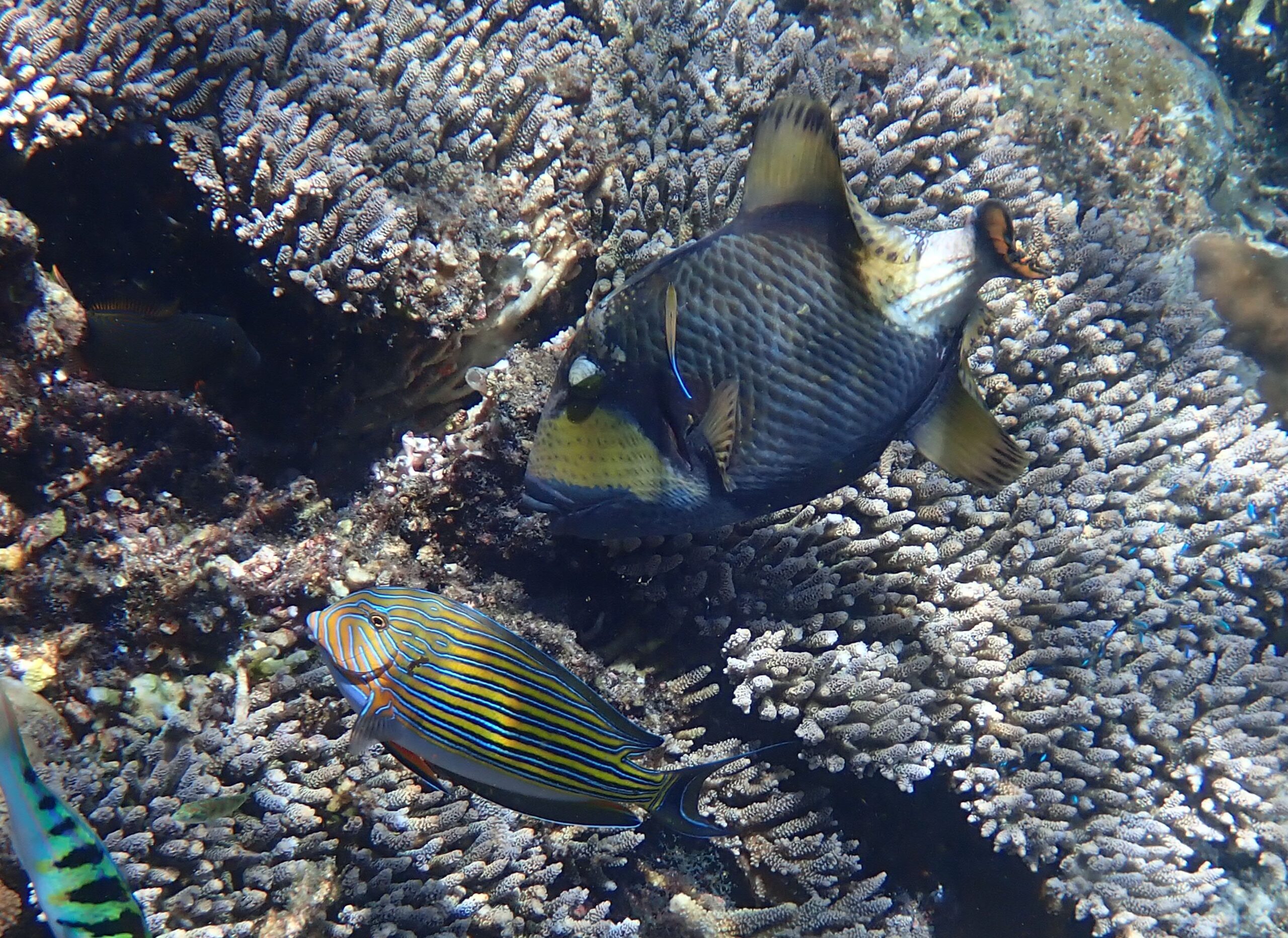
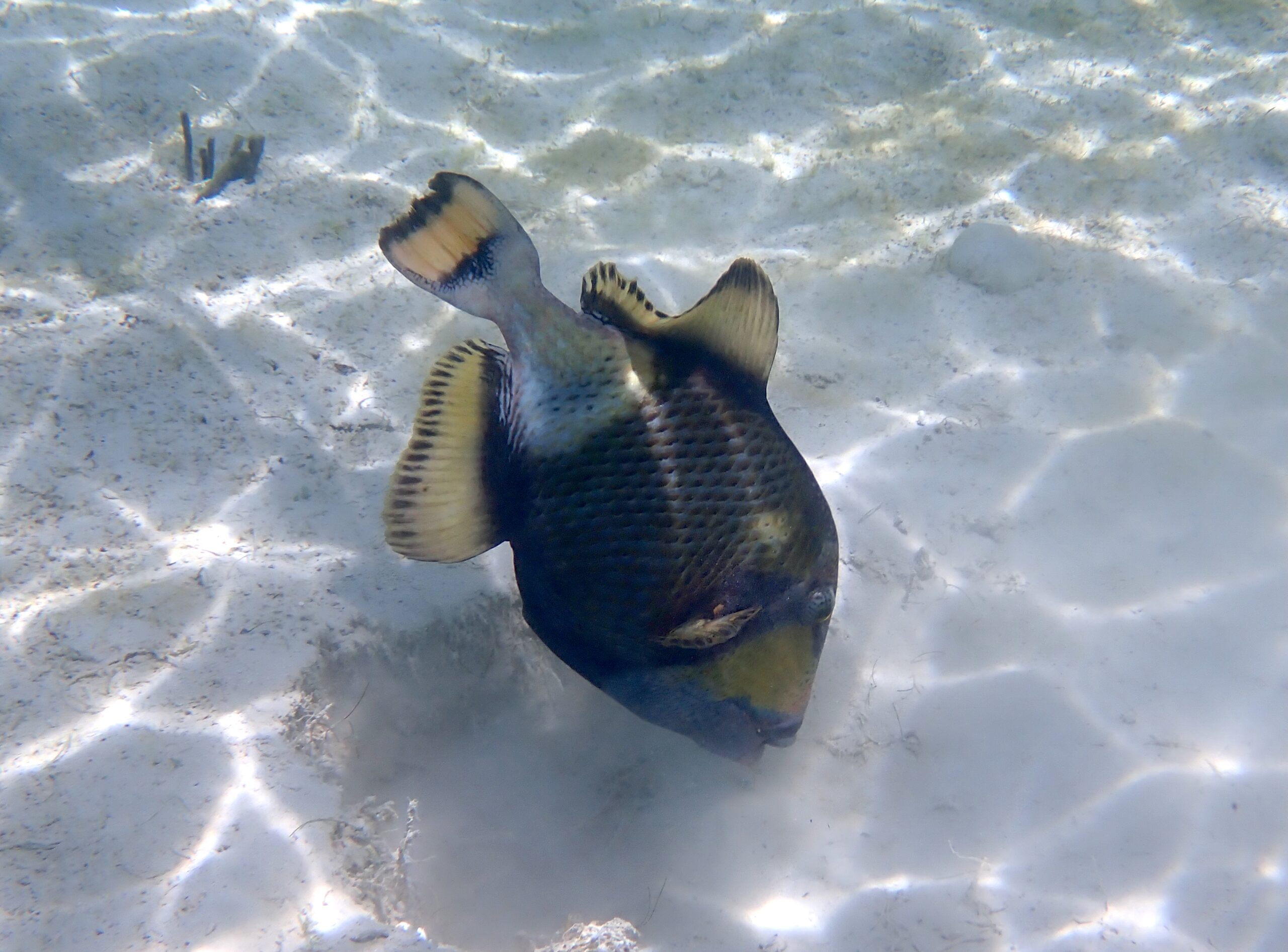
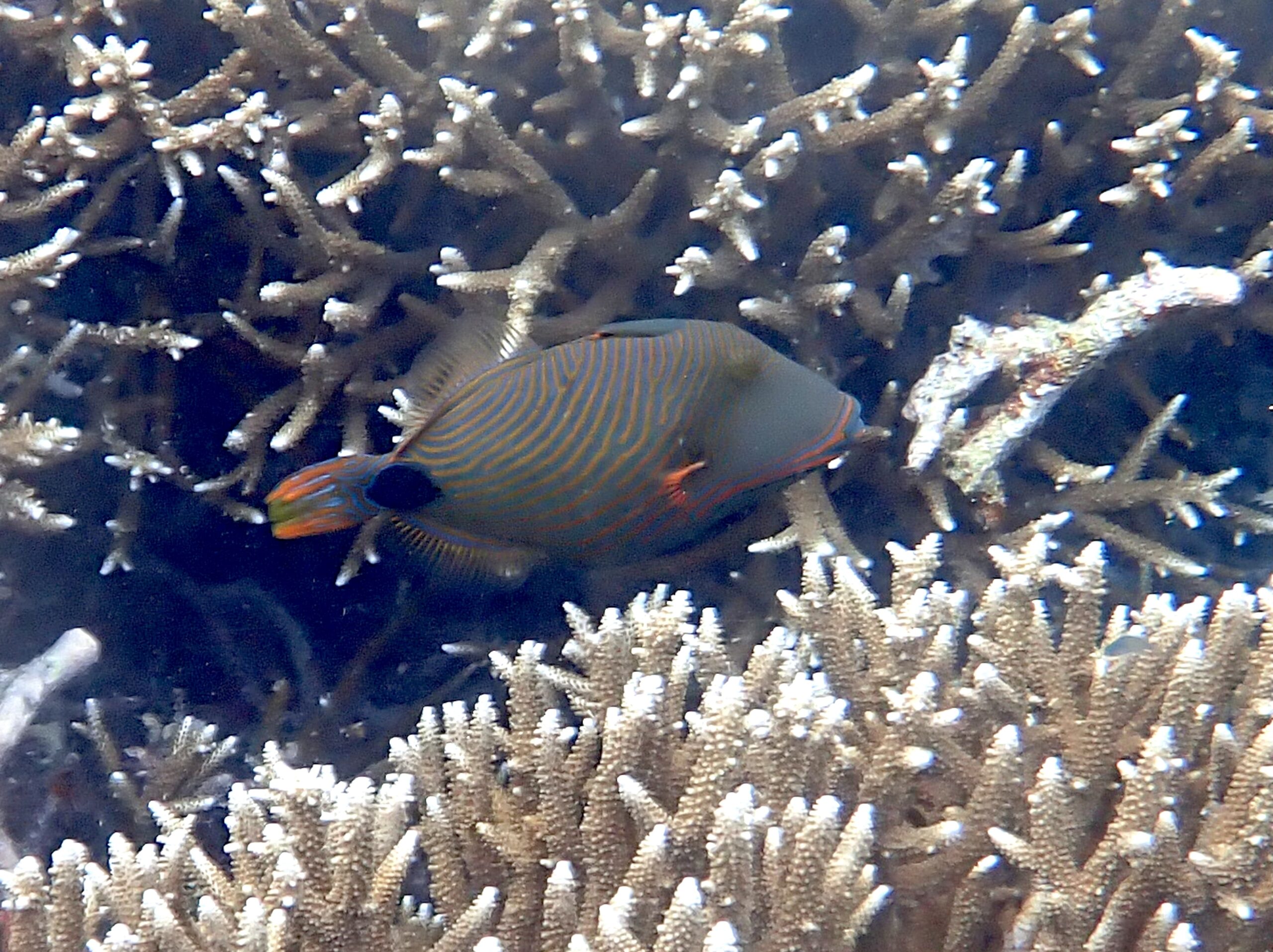
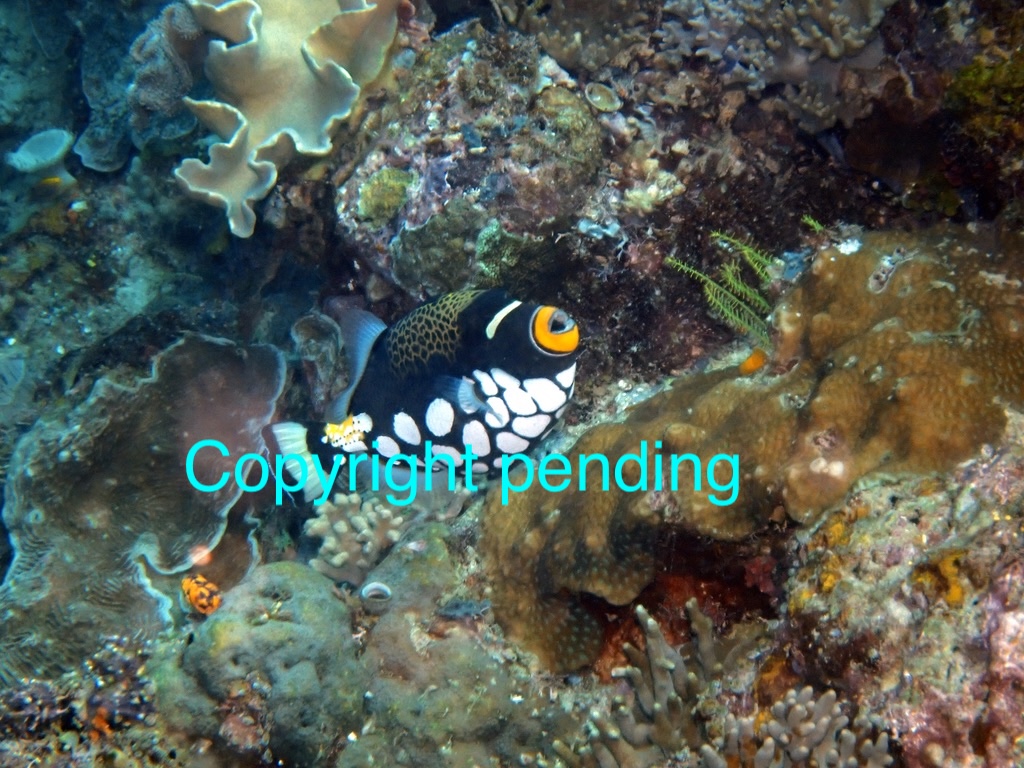
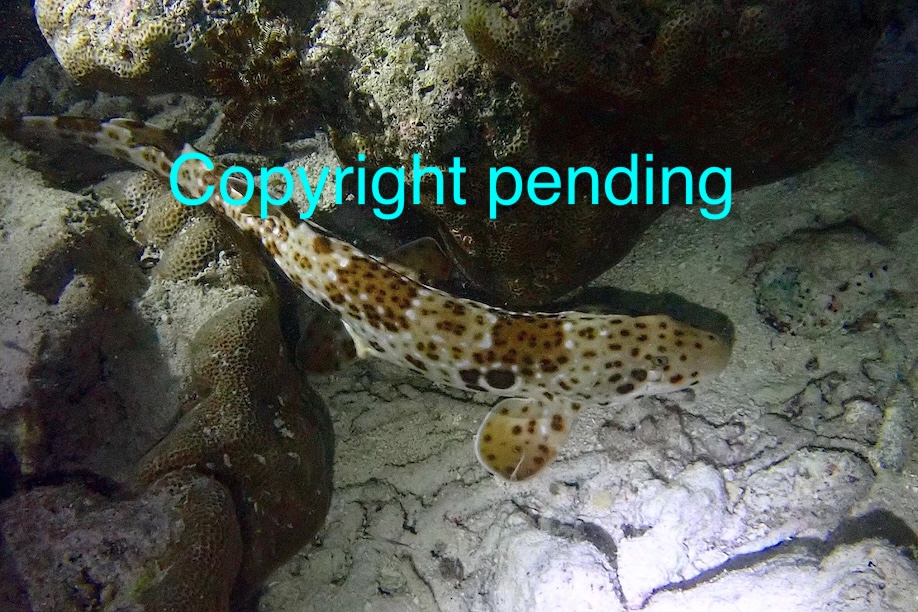
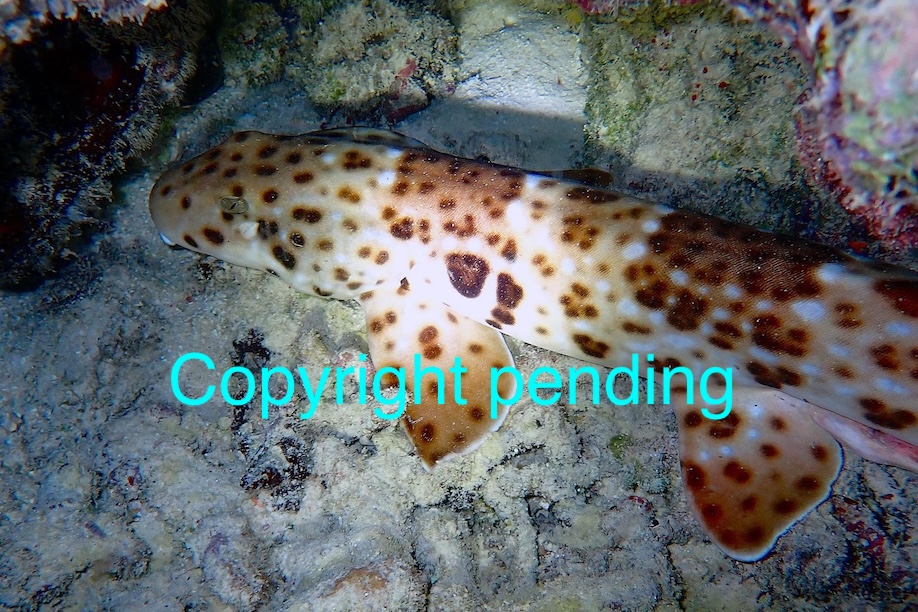
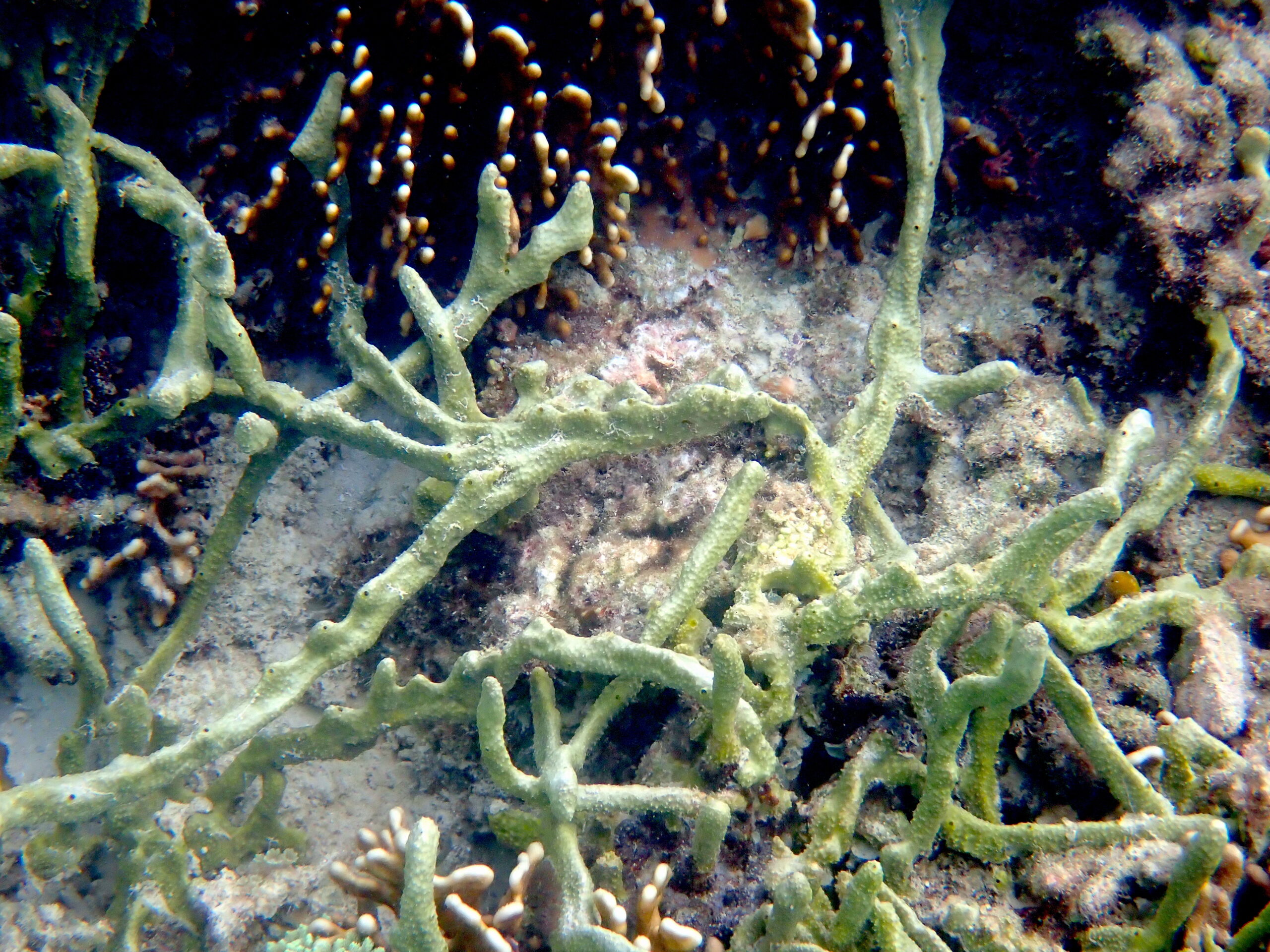
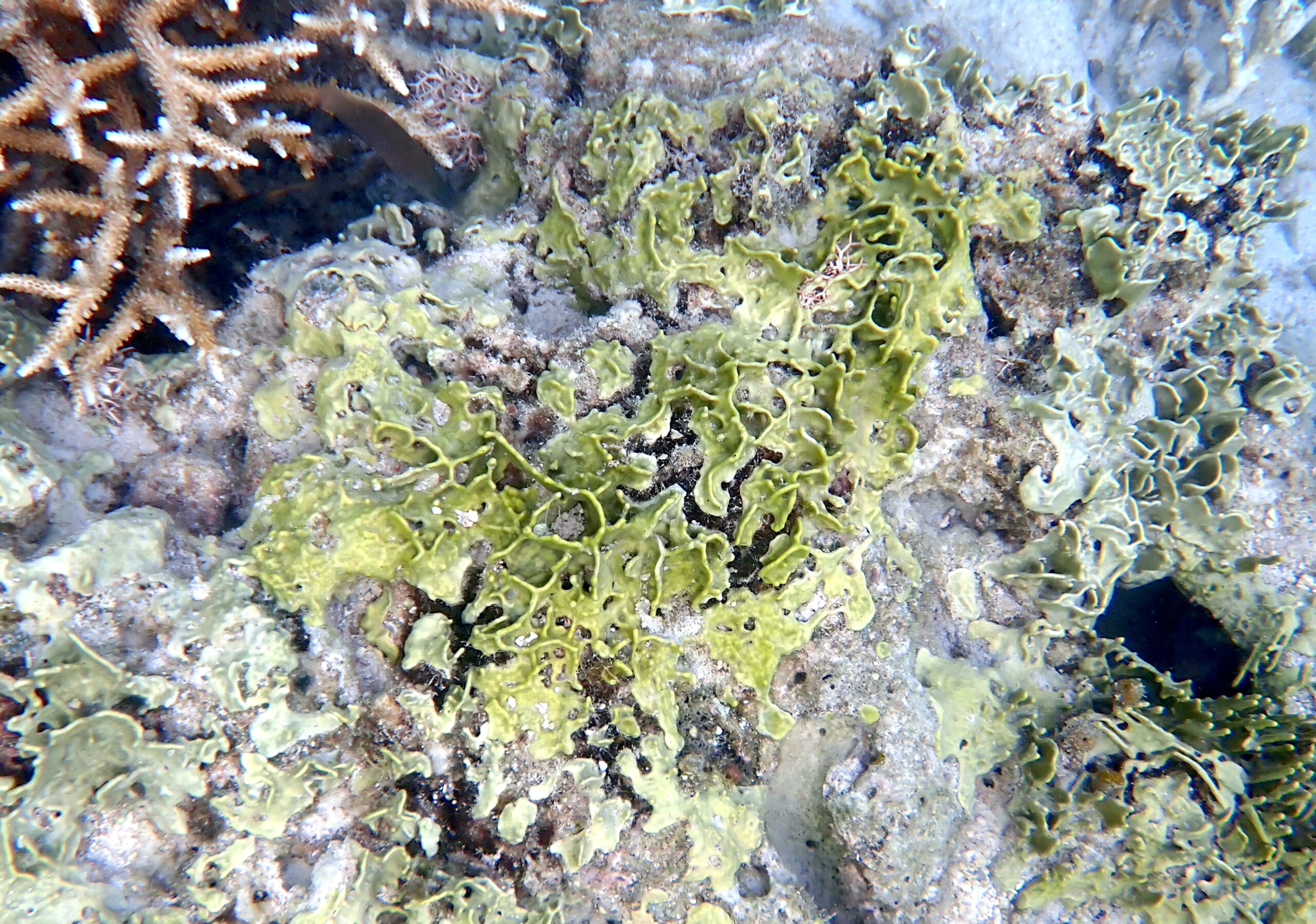
On the boundary between the sand and the adjacent shallow water coral in Area 1, it is possible to see Turtles grazing on seagrass as well as a variety of fish, including sizeable Titan Triggerfish, feeding on invertebrates in the sands.    If you go on a night snorkel you might be lucky enough to see the Epaulette Shark.   The adjacent shallow water corals comprise a variety of different types including several small Acropora species and extensive areas of Blue Coral.
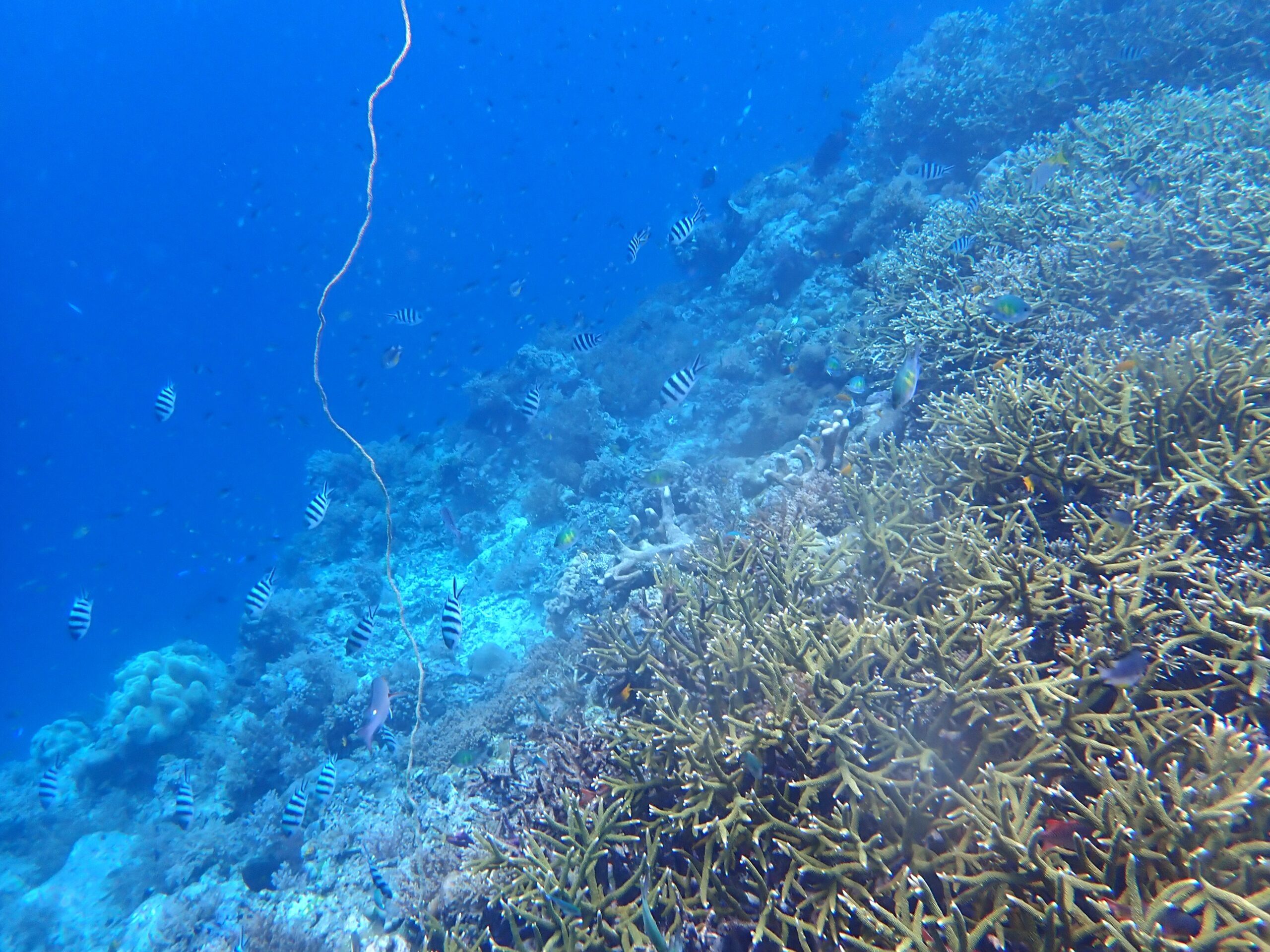
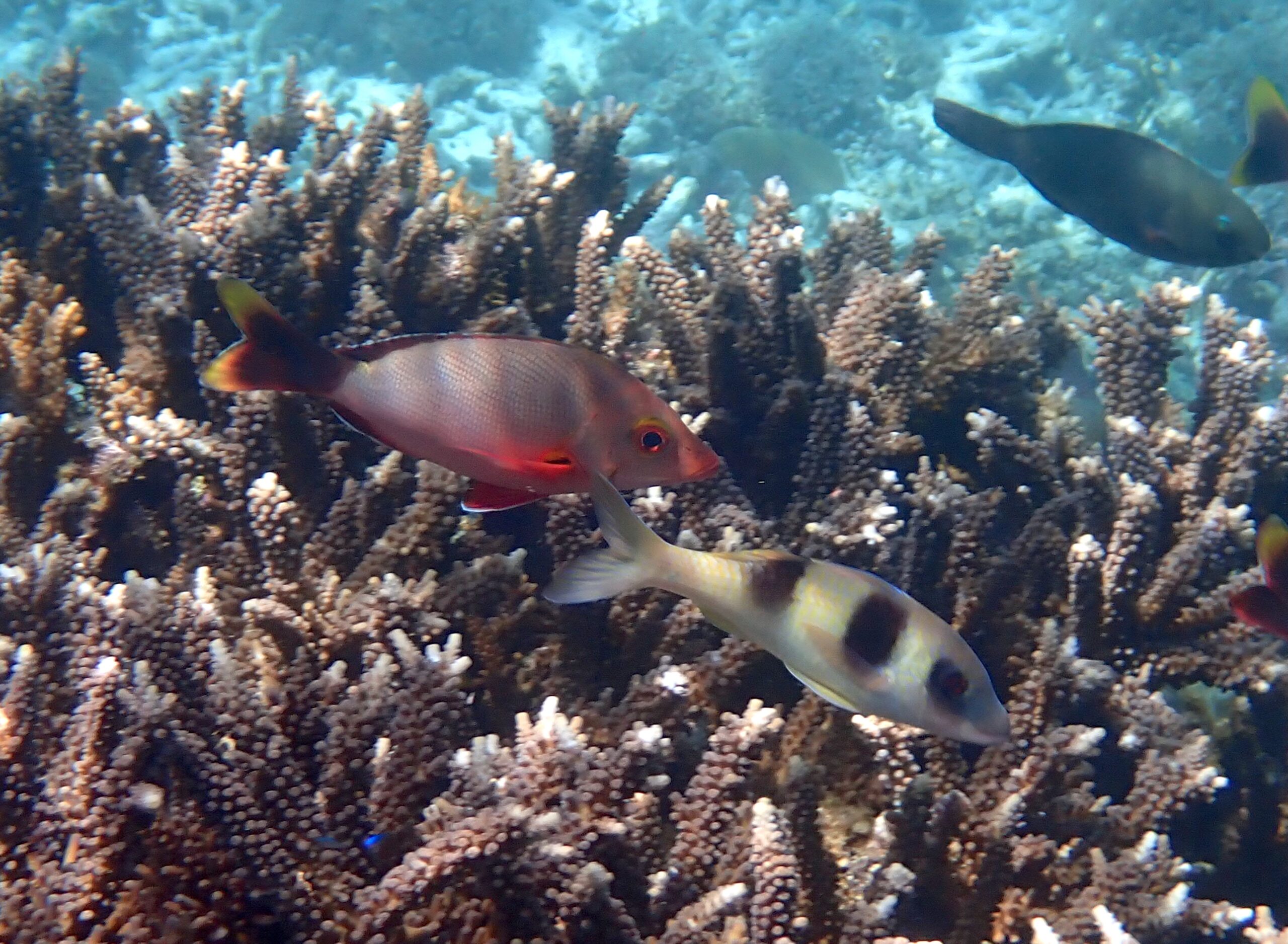
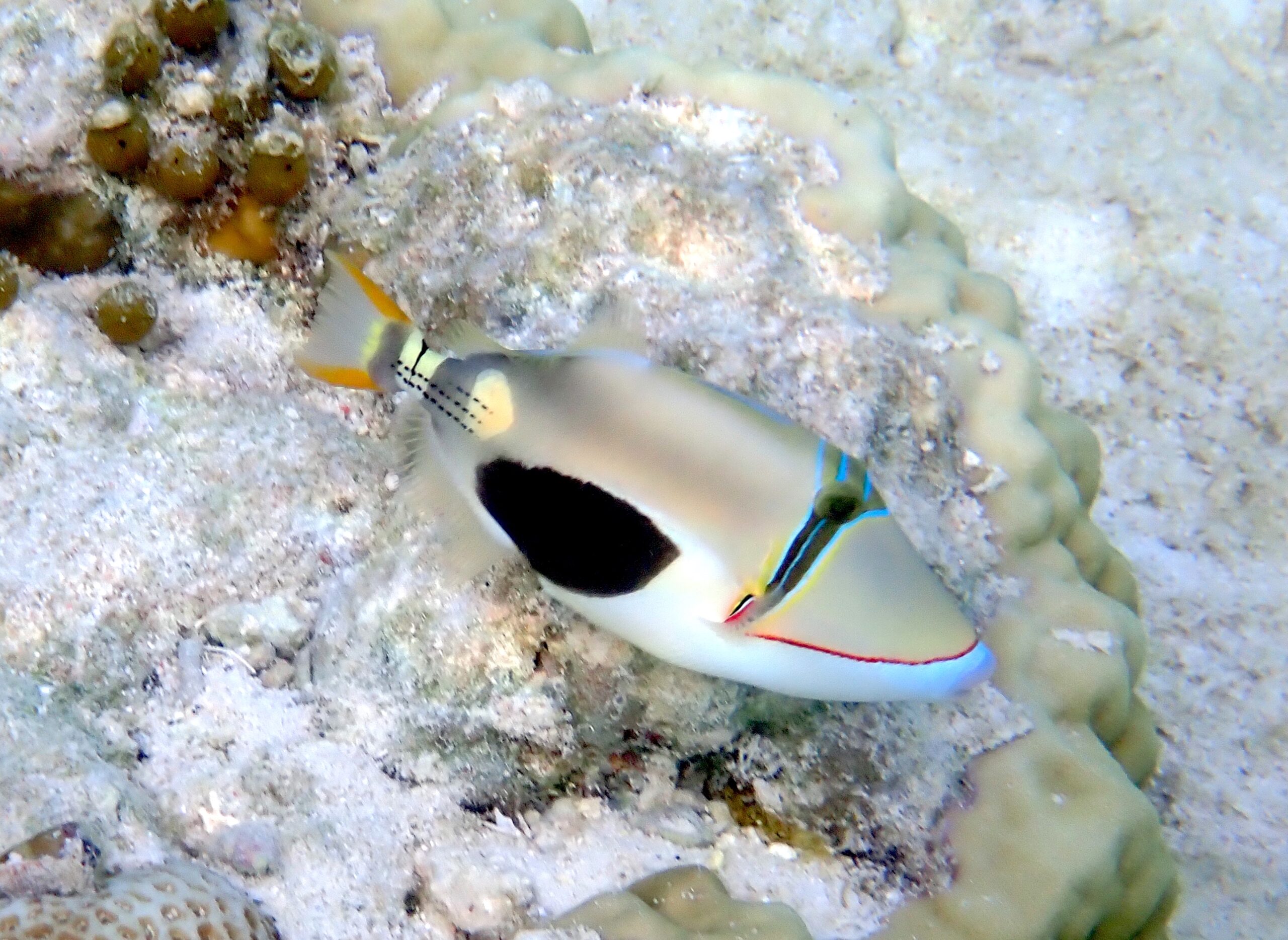
The reef along the channel that comprises Area 2, slopes steeply into deep water, with a variety of branching and boulder hard coral species, as well as numerous soft corals and colourful sea squirts.   A great variety of colourful fish can be observed, particularly towards the southern end of the channel.   
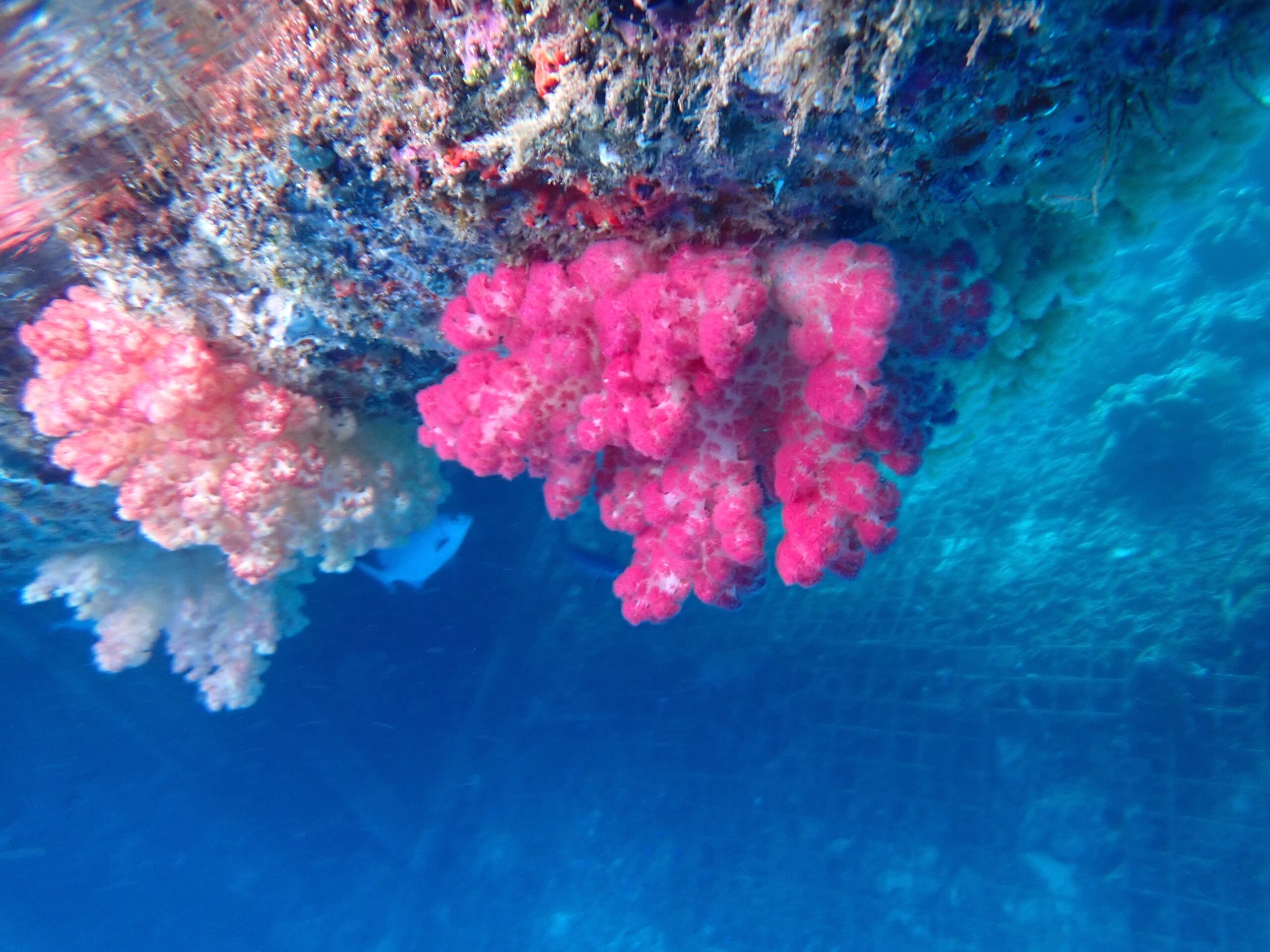
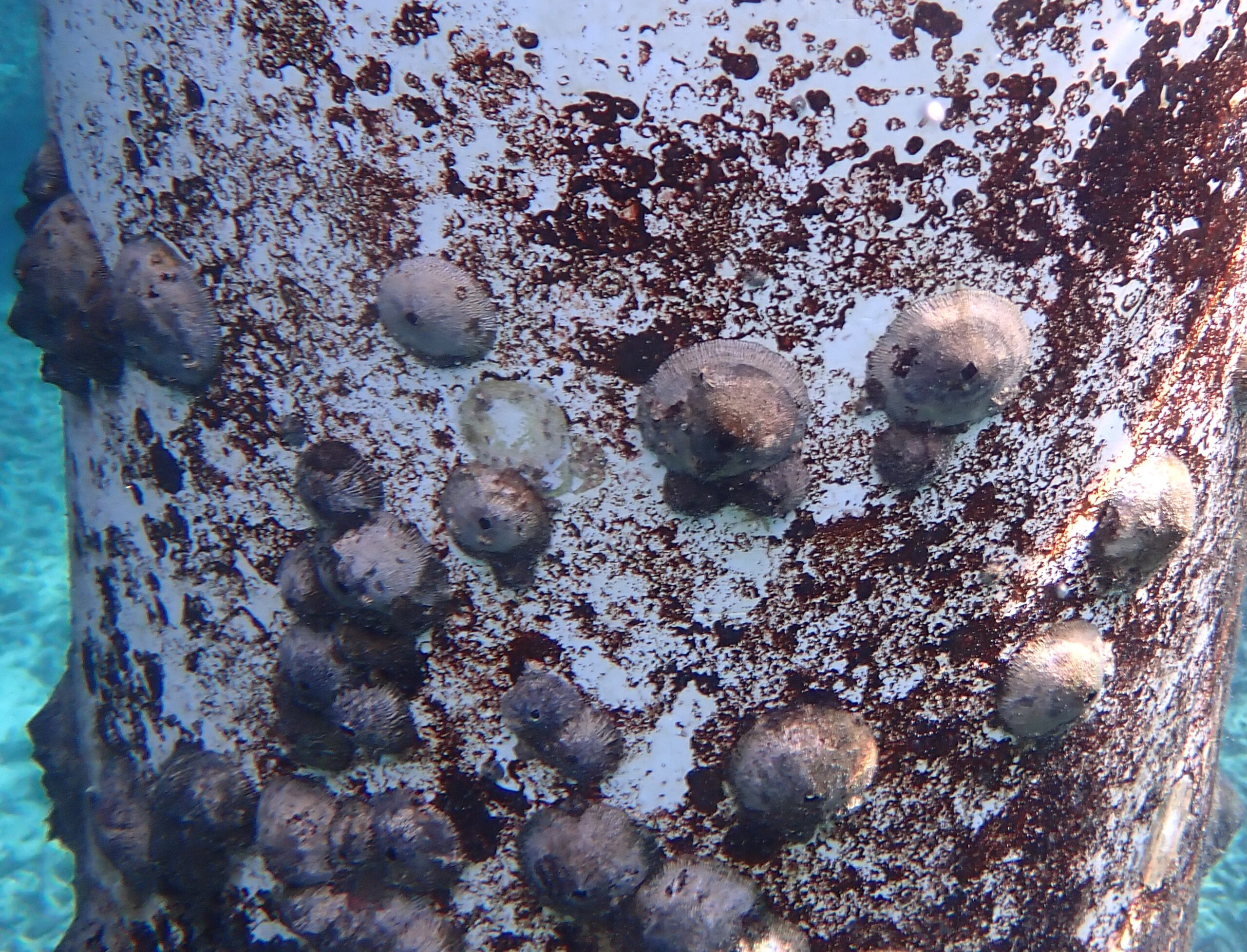
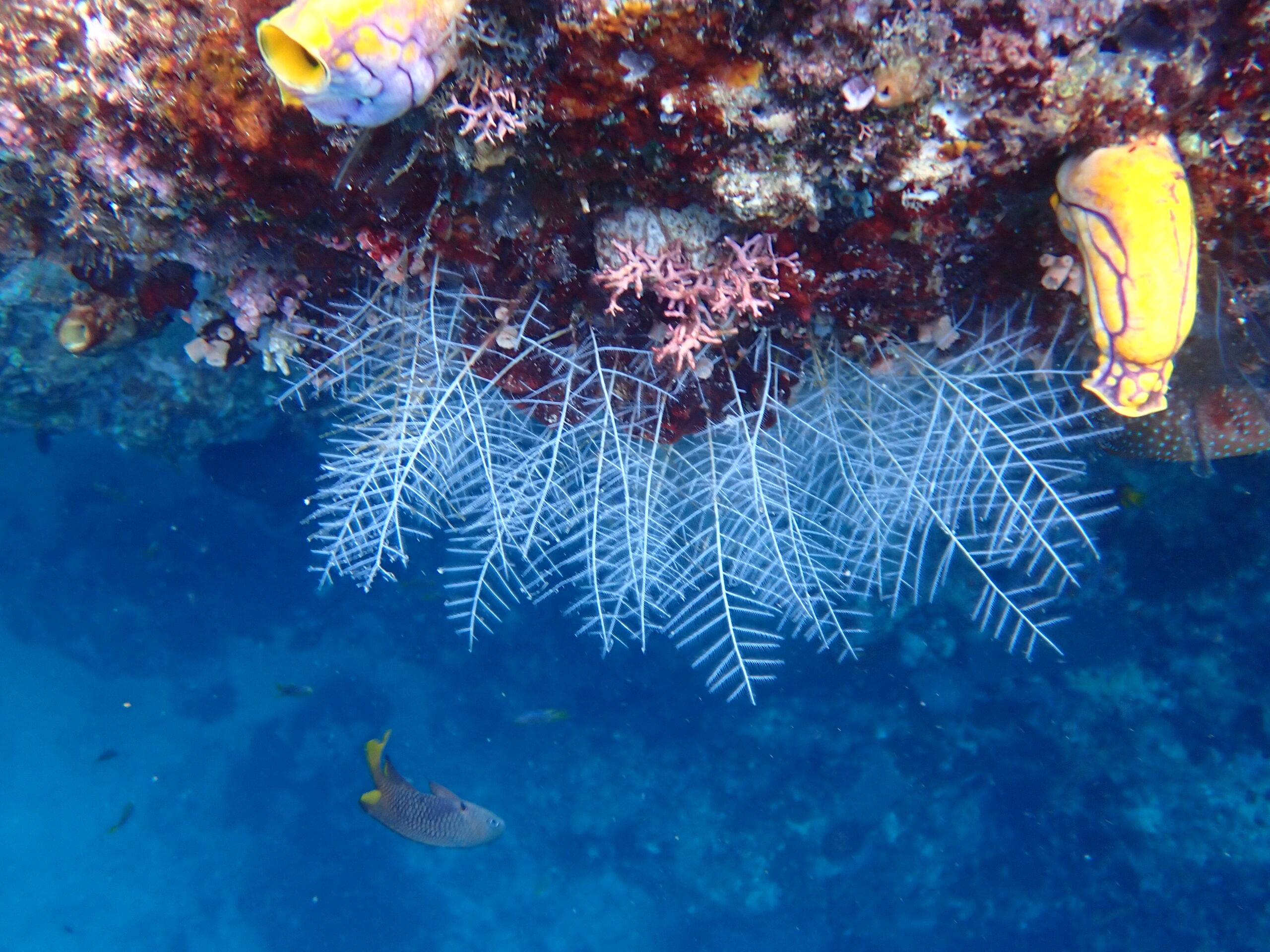
Midway down the channel is the landing jetty which provides shelter for innumerable shoaling fish species as well as a collection of encrusting species on the jetty itself.  These include seafans and the very colourful, Dendronephthya soft corals.
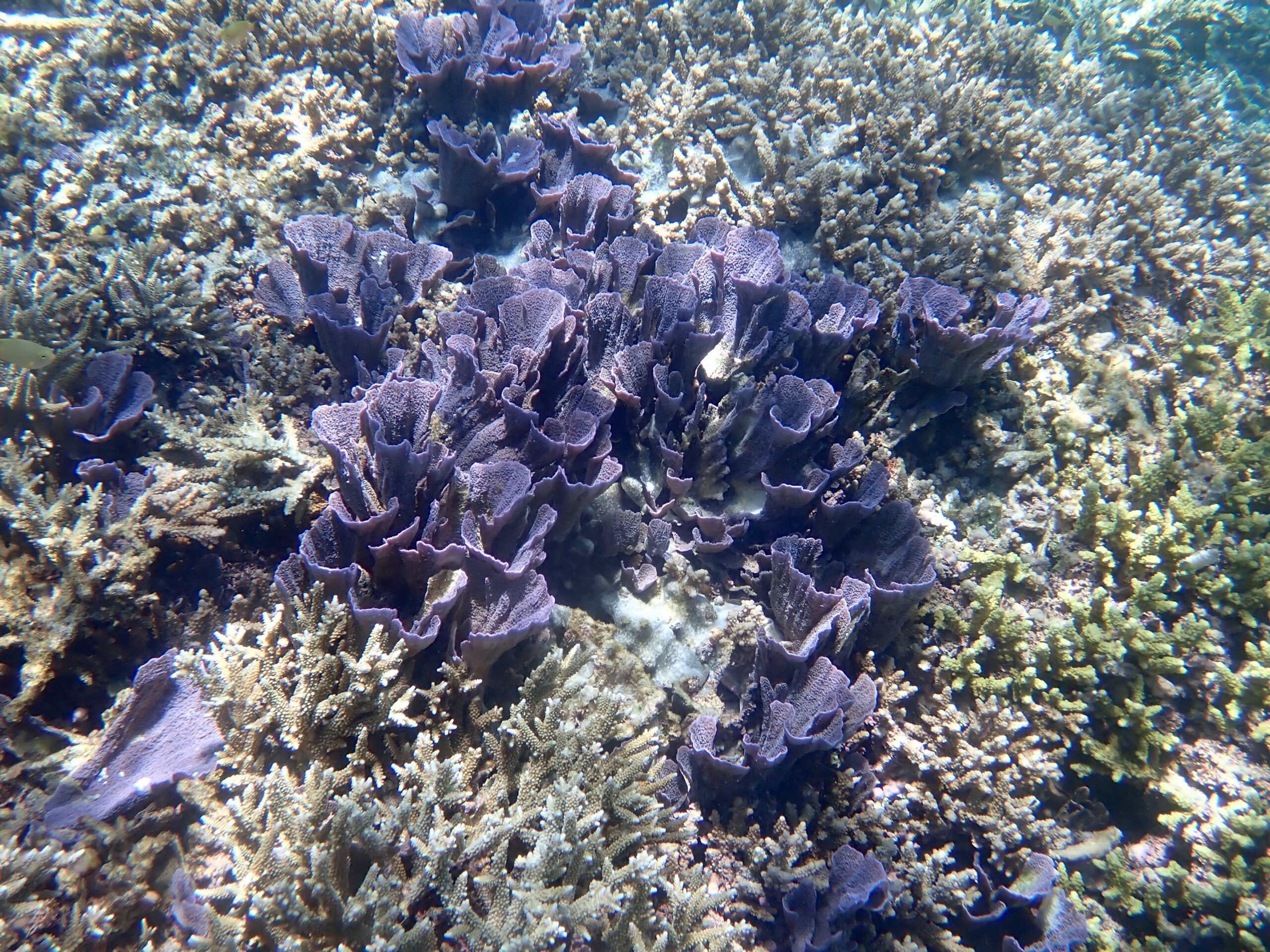
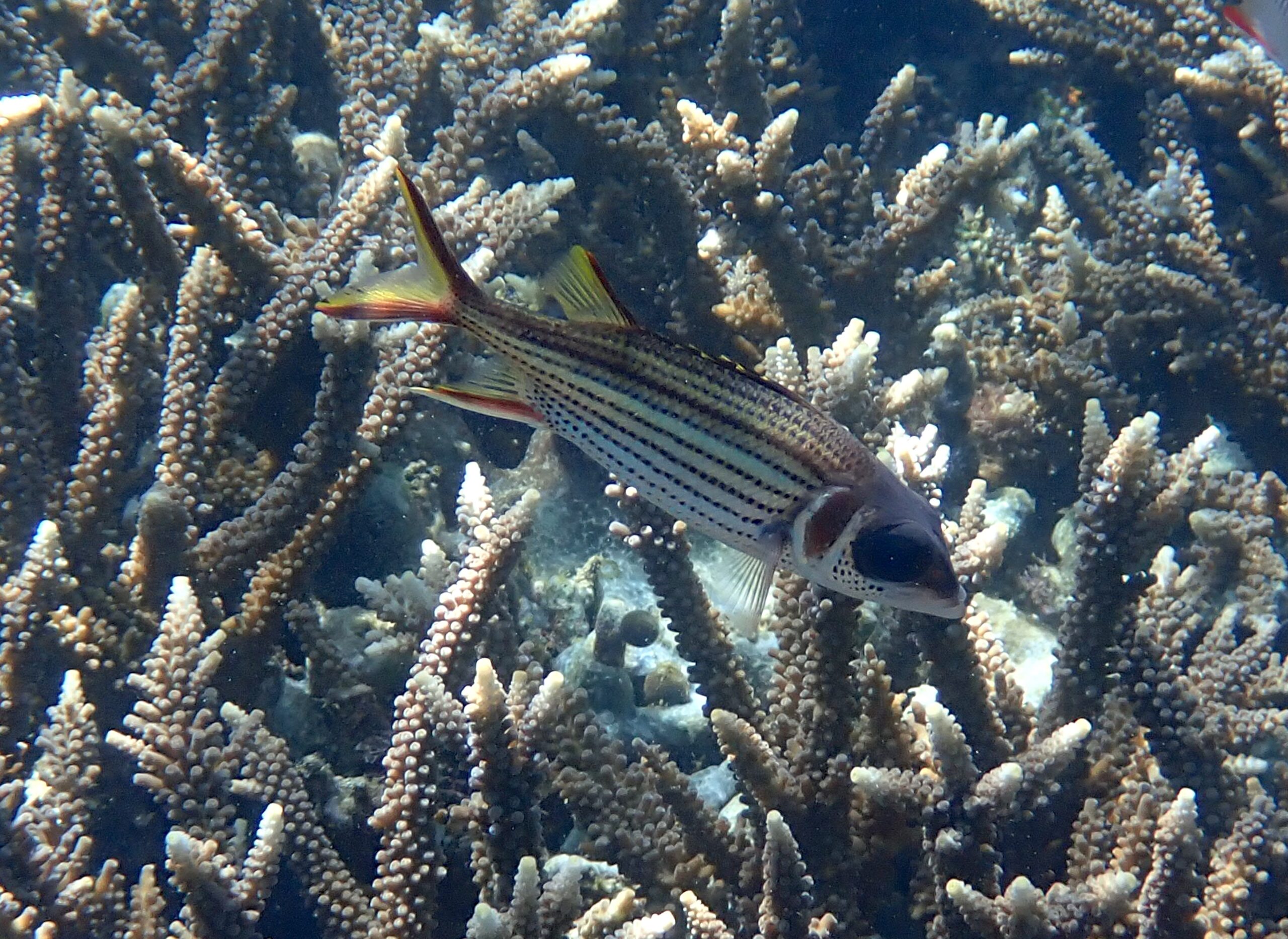
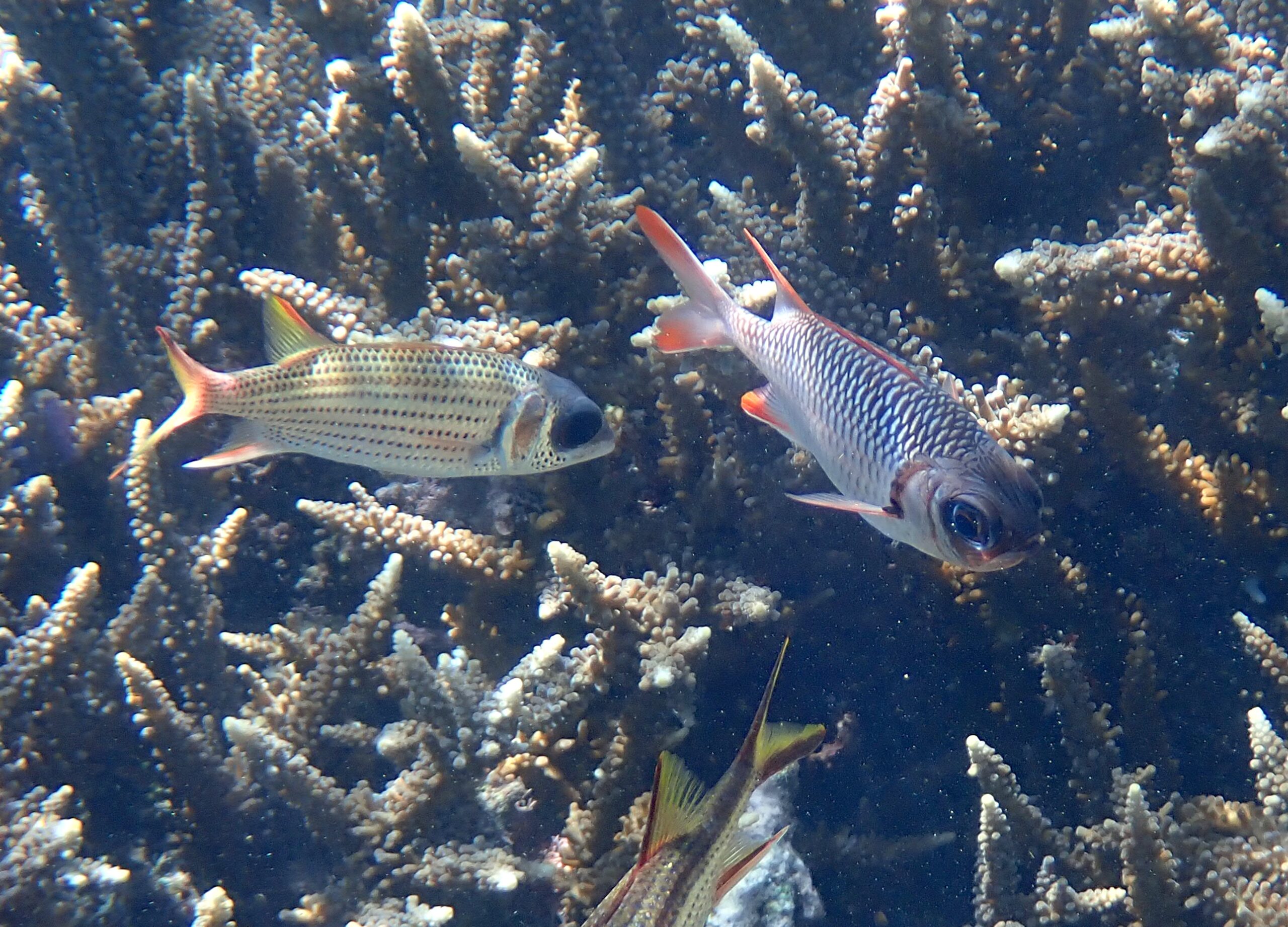
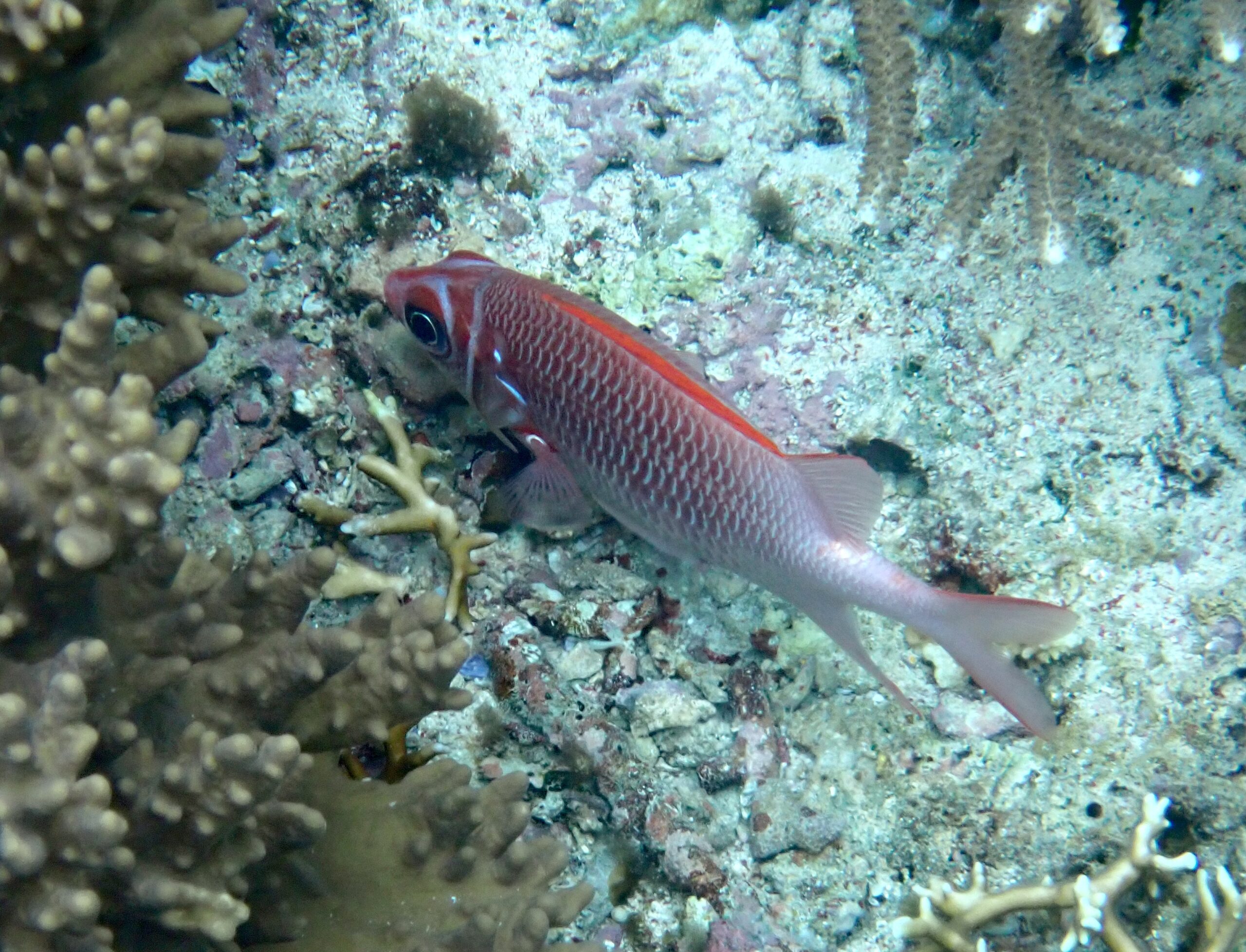
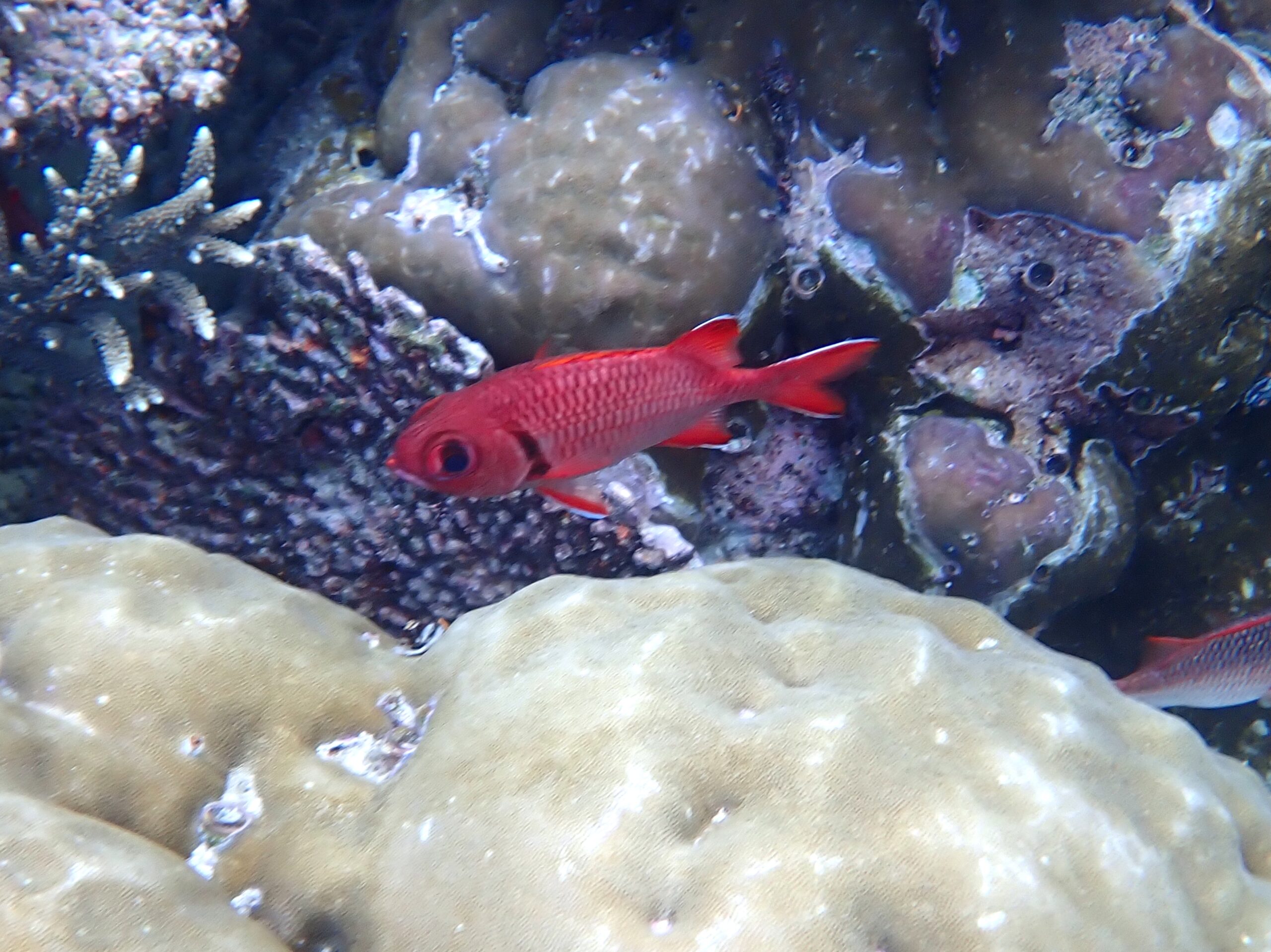
The South Beach has several habitats with both inshore sands and some exceptional coral growths (Echinopora spp) to the southwestern edge, around the Rotunda.  This area also attracts many fish species that would normally be found hidden in corals; the shade from the Rotunda enabling them to be seen in the open.  These included several Soldierfish species.
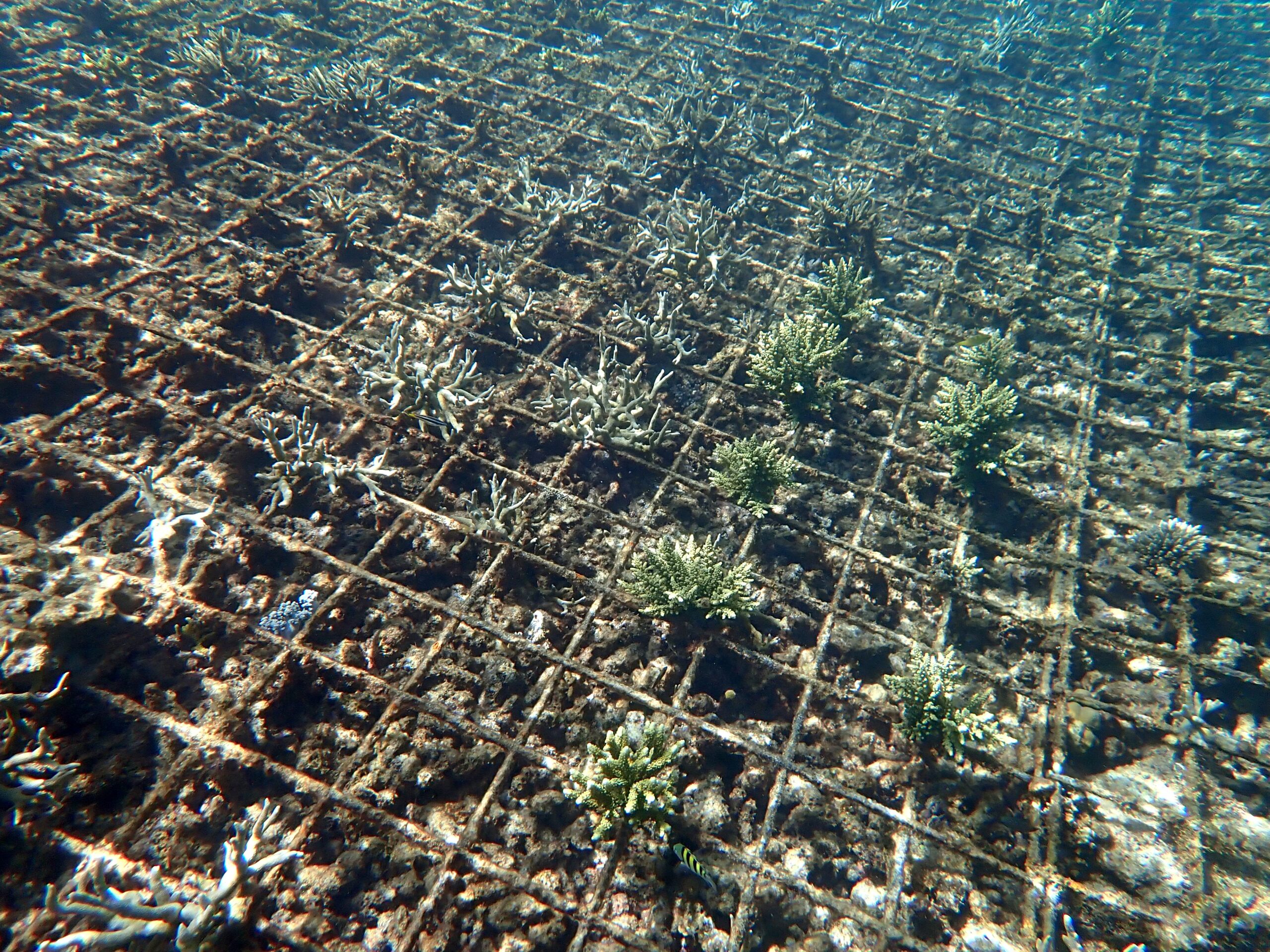
Much of the outer area of the Blue Hole is reinforced with metal mesh, which is being used to re-grow corals. This area was previously damaged by dynamite fishing.
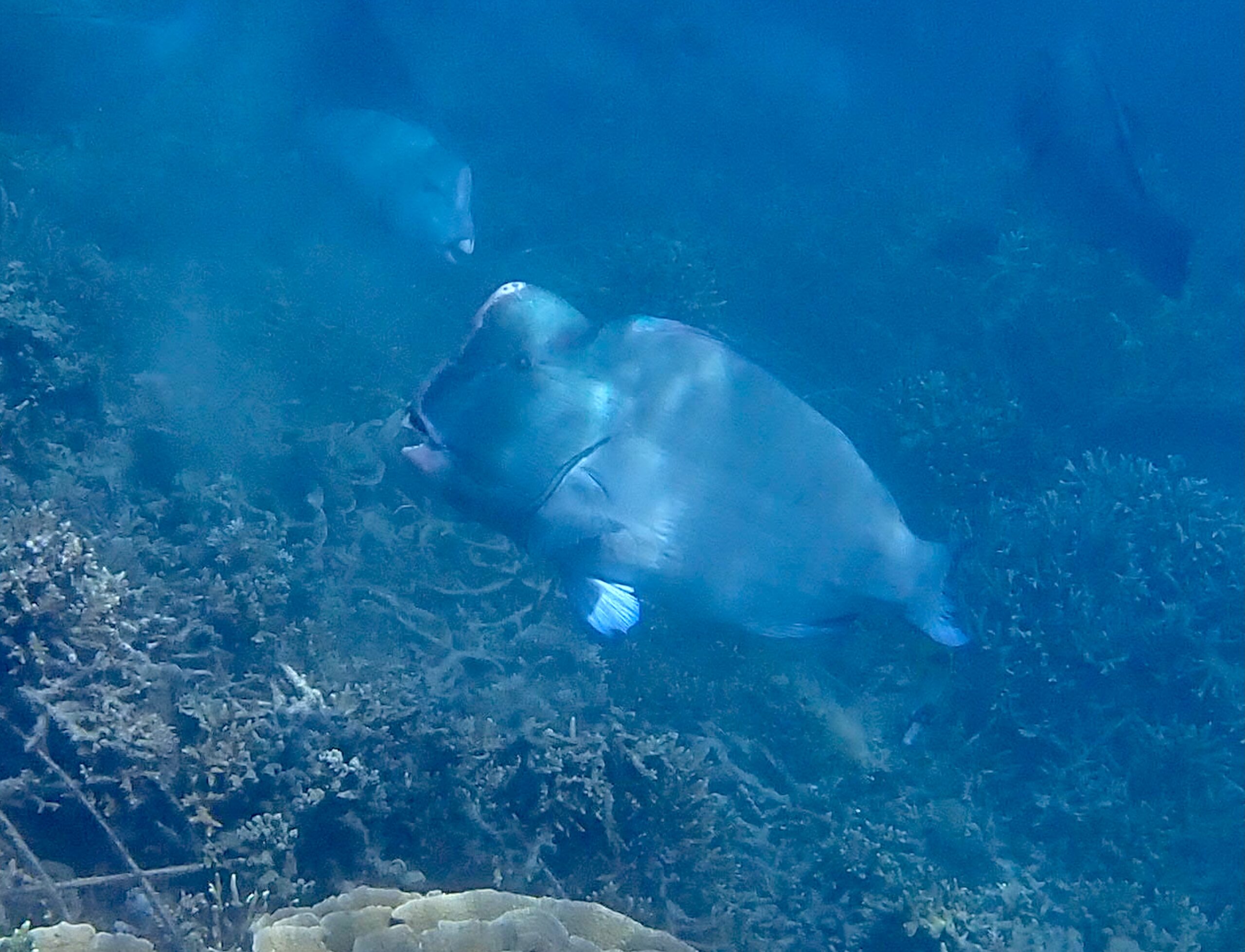
The deeper waters in the Blue Hole are populated by shoals of sizable fish species including Bumphead Parrotfish, Trevallys and Blacktipped Reef Sharks.
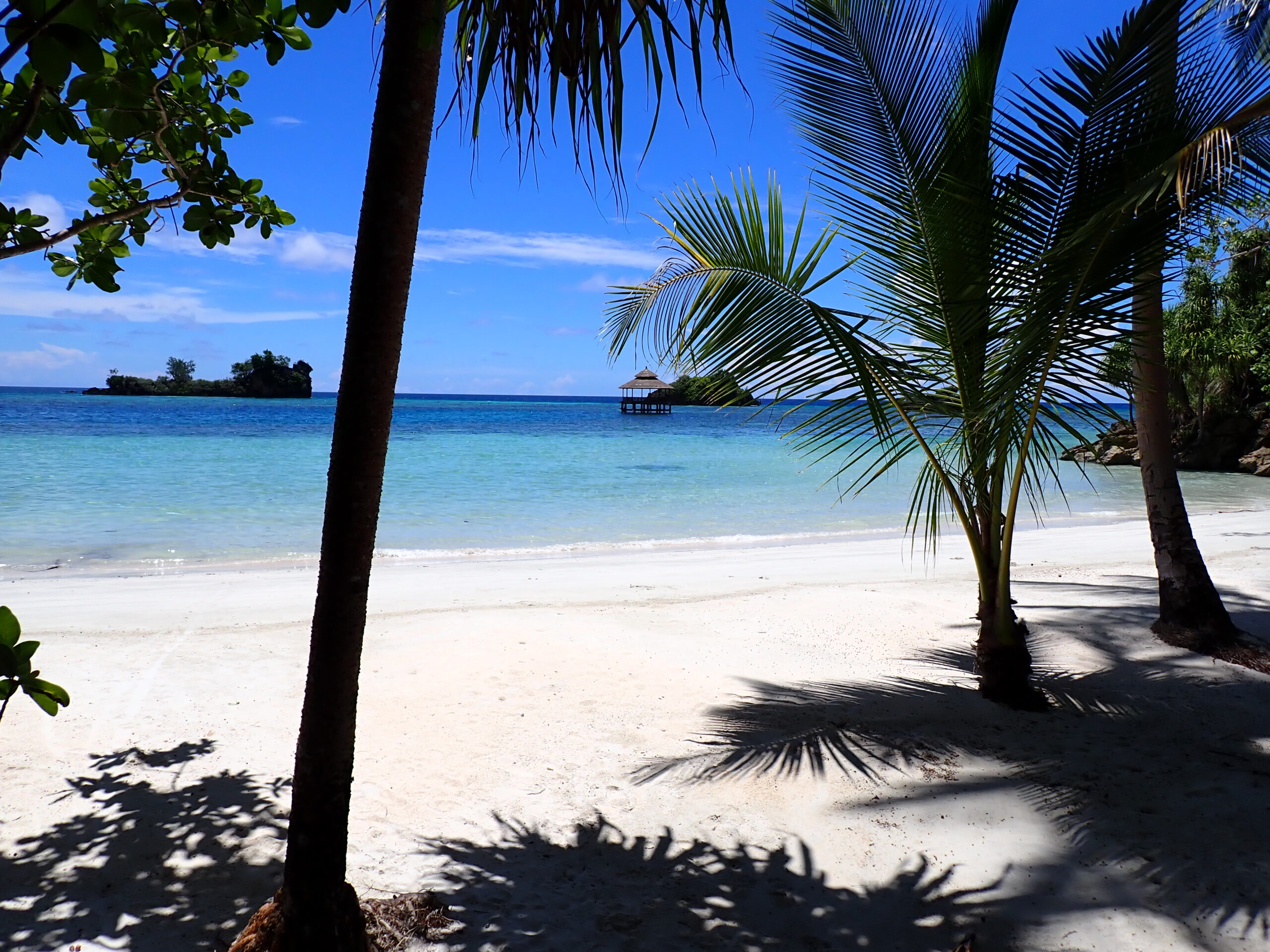
Don’t forget that entering and exiting the beautiful South Beach area from shore, can be very difficult at low water, due to the extensive nature of the shallow water corals.

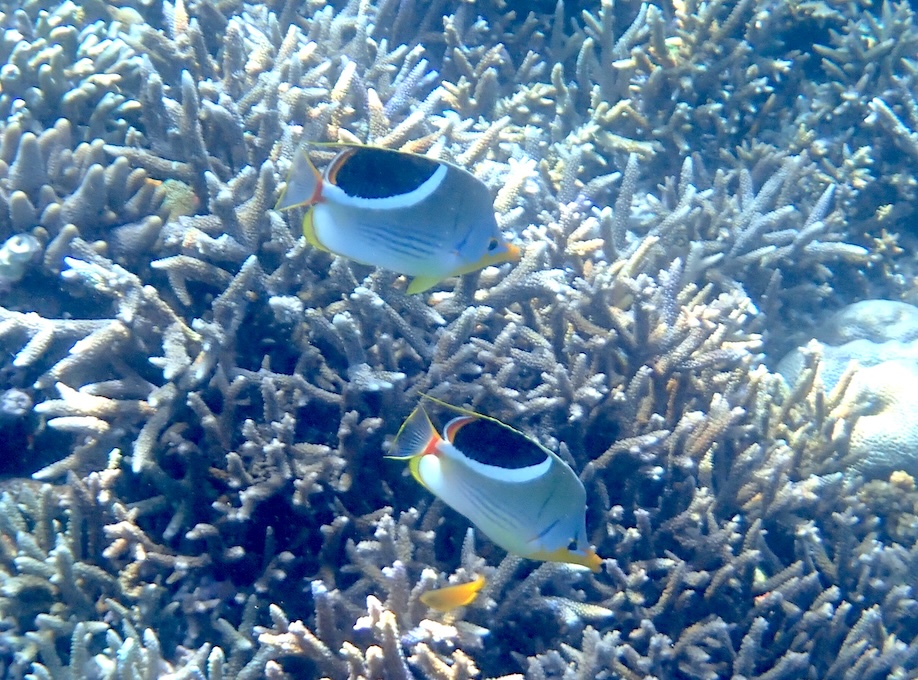
Resort Life Photos

Would you like us to add your photos?